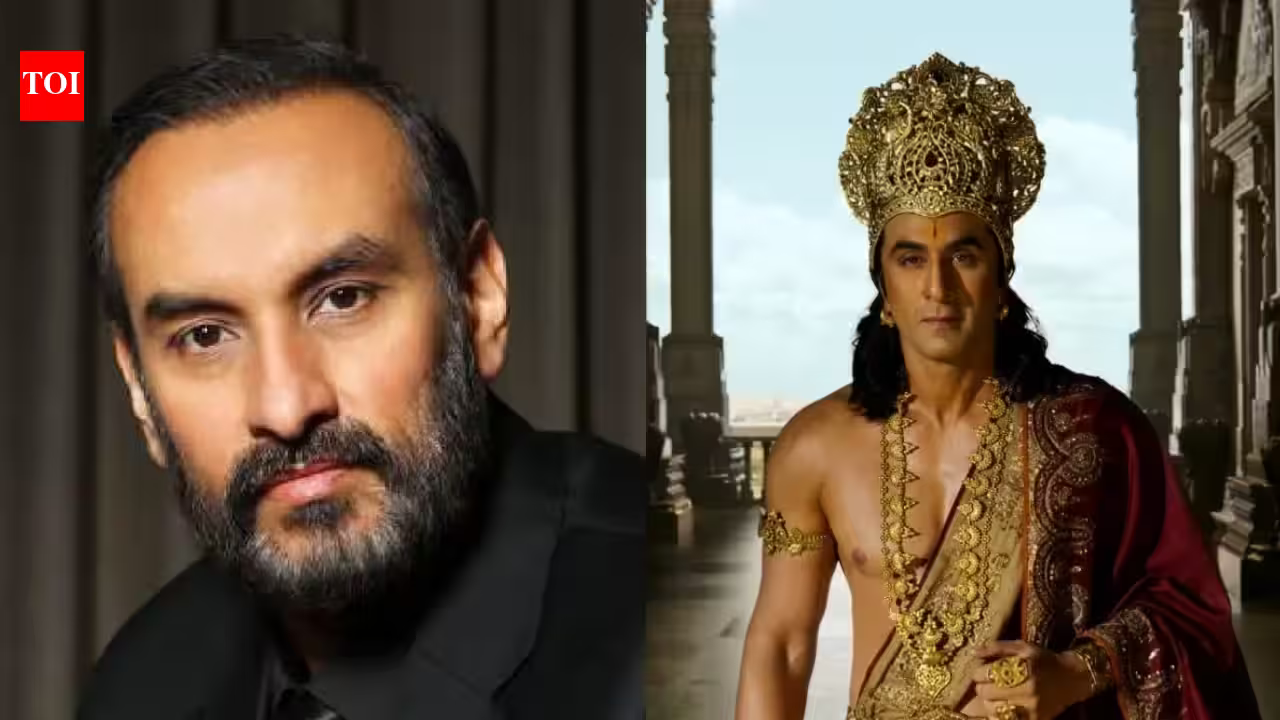








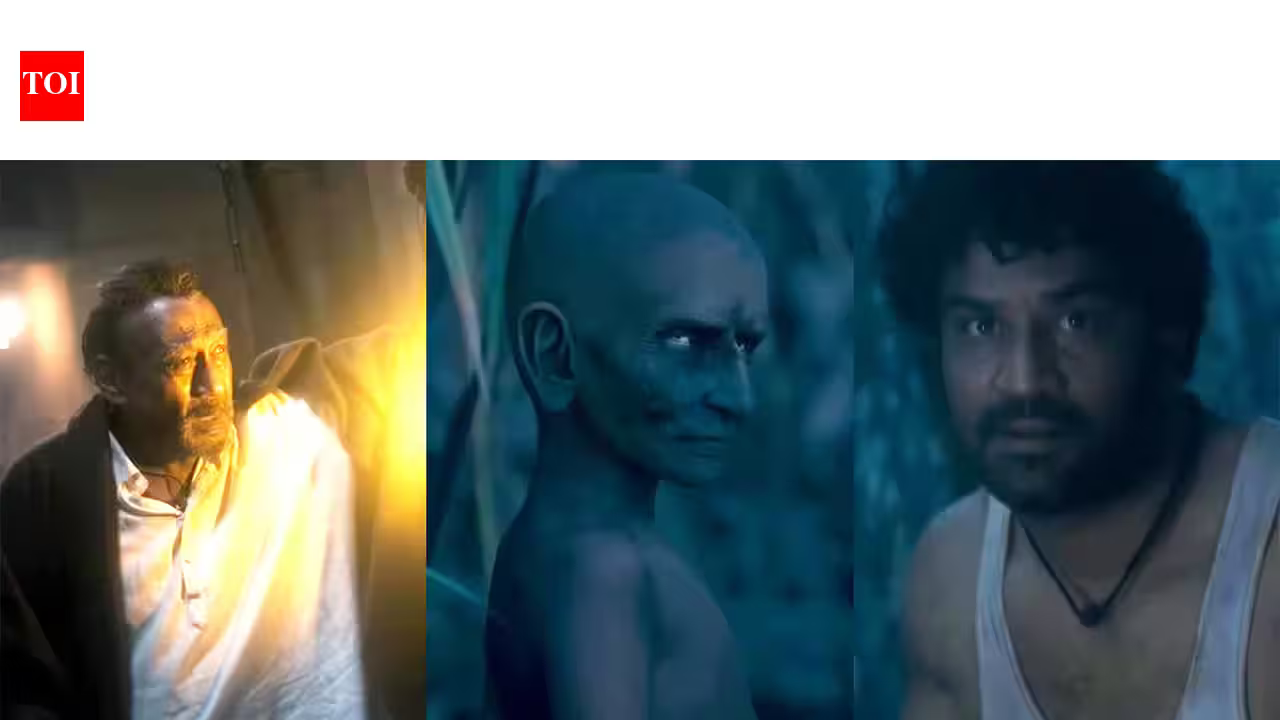
The cinematic landscape of Indian horror has long been dominated by creaky mansions, vengeful spirits in white sarees, and urban apartments haunted by flickering lights. But every once in a while, a project arrives that threatens to upend those well-worn tropes by dragging the darkness out of the shadows and into the sunlight—specifically, into the soil. Enter Kaali Kheti, the latest project starring Jackie Shroff and Sharad Kelkar, which promises to redefine folk horror with a premise as unsettling as it is grounded.
The teaser, which dropped earlier this week, is a masterclass in atmospheric tension. Eschewing the cheap jump scares that have become the bane of the genre, it focuses on a singular, chilling concept: what if the land itself was hungry?
When Agriculture Turns Into an Occult Nightmare
At the heart of Kaali Kheti is the subversion of a rural staple. Agriculture, the backbone of India’s cultural and economic identity, is transformed here into a sinister force. We aren’t looking at a traditional slasher film or a standard ghost story; we are looking at something far more primal. The teaser paints a picture of a village trapped in a cycle of farming that feels less like a livelihood and more like a blood sacrifice.
By taking the familiar act of “Kheti” (farming) and adding the adjective “Kaali” (dark/black), director Haris Imtiyaz Khan has tapped into a collective anxiety. There is a palpable sense that the villagers aren’t just harvesting crops; they are serving a presence that has existed since time immemorial. It’s an evocative premise that suggests the film is less concerned with “who is the killer” and more focused on “what is the curse?”
The Dynamic Duo: Shroff and Kelkar
The casting choice alone is enough to command attention. Jackie Shroff, the veteran legend of Indian cinema, has always possessed a screen presence that oscillates between effortless cool and deep-seated intensity. Watching him navigate a narrative rooted in rural folklore feels like a natural progression for an actor who has spent decades mastering the art of the enigmatic.
Opposite him is Sharad Kelkar, a powerhouse performer known for his commanding voice and nuanced ability to portray internal conflict. Kelkar has been on a meteoric rise, balancing high-octane commercial roles with performance-driven cinema. Seeing these two actors share the screen in a film that seems to demand such heavy, layered acting is a promising sign for genre enthusiasts. Their chemistry—or perhaps their characters’ clashing ideologies regarding the village’s dark secrets—will likely be the engine that drives this story forward.
A Folk Horror Revival
Indian cinema has a rich history of local myths and superstitions, yet we rarely see them executed with the level of polish suggested by Kaali Kheti. Haris Imtiyaz Khan seems intent on bridging the gap between local belief and cinematic spectacle. The teaser suggests a visual language that is dusty, sun-bleached, and claustrophobic—a stark contrast to the nighttime-heavy aesthetic usually employed by horror directors.
By moving the terror into the daylight, the film suggests that there is no escape. When the sun is out, the crops are growing, and the “Kheti” is active, the horror is at its peak. It is a bold stylistic choice that forces the audience to view the rural landscape—often romanticized in Bollywood—as a terrain filled with ancient, buried secrets that are finally ready to be unearthed.
Beyond the Jump Scare: The Power of Atmosphere
What makes Kaali Kheti stand out in the current clutter of theatrical releases is its adherence to the “less is more” philosophy. Modern horror audiences have become desensitized to loud music stings and digital effects. What truly gets under the skin is the implication of doom—the slow-burn realization that a community is bound by a pact they can no longer fulfill.
The producers, BlackCanvas Studio, have evidently poured significant resources into building a world that feels lived-in and historically dense. Alongside Shroff and Kelkar, the supporting cast—which includes the reliable Virendra Saxena, Shaji Choudhary, and Neha Sargam—suggests a film that values character-driven storytelling. These aren’t just fodder for a monster; they are the gears of a machine that is about to break.
Why November 20, 2026, Is a Date to Circle
While we are still a significant distance away from the November 20, 2026, release date, the early buzz surrounding Kaali Kheti is indicative of a hunger for high-concept genre cinema in India. We have seen a resurgence in “content-driven” horror films that lean on folklore (think of the success of Tumbbad), and Kaali Kheti appears to be leaning into that same vein of dark, atmospheric storytelling.
The film is not just telling a horror story; it is interrogating the relationship between the Indian people and their land. It poses a haunting question: What are we willing to give to the ground that feeds us? If the teaser is any indication, the price is higher than anyone in the village ever imagined.
In an era where regional horror is finding a global audience, Kaali Kheti feels like a sophisticated entry that could bridge the gap between traditional storytelling and modern cinematic sensibilities. Whether it delivers on the promise of its eerie premise remains to be seen, but for now, the village of Kaali Kheti is a place we are dying to visit—even if we suspect we might never make it out. Keep your eyes on the fields; the harvest is coming.
Disclaimer: This content is auto-generated for informational purposes only.
Source: Read Original News