








Examining the Galaxy S27 Ultra Design Shift
New visual data regarding the upcoming Samsung Galaxy S27 Ultra has emerged, providing a detailed look at the physical architecture of the flagship. Based on exclusive CAD files, industry analysts have produced a physical dummy unit that reveals critical changes to the device’s external configuration. While the overall footprint of the phone remains largely consistent with its predecessor, the internal layout and external camera housing reflect a shift in engineering priorities. The dimensions for the unit are reported at 163.76 x 78.25 x 7.97mm, keeping it nearly identical to the Galaxy S26 Ultra, which measured 163.6 x 78.1 x 7.9mm. This suggests that while Samsung is refining the aesthetics, the company is maintaining the established ergonomic profile that users of the Ultra line have come to expect.
Optimizing Magnetic Accessory Compatibility
One of the most significant functional updates involves the redesigned camera bar. In previous iterations, the positioning and size of the camera module frequently conflicted with the placement of magnetic accessories, such as Qi2 wireless chargers, battery packs, and mounting systems. By shifting the camera cluster to a higher position on the rear of the device, Samsung appears to be addressing these limitations directly. This configuration provides a clearer, unobstructed area for magnetic alignment. In the current S26 Ultra model, the large bump often forces improper alignment, which can lead to inefficient power transfer and thermal increases during wireless charging. The new layout is intended to improve compatibility, potentially allowing for a wider ecosystem of third-party magnetic peripherals that sit flush against the glass surface without interference.
S Pen Integration and Surface Stability
Despite speculation regarding the future of various hardware components, the dummy unit confirms that the S Pen remains a central feature. The inclusion of an integrated slot at the base of the device indicates that Samsung continues to prioritize the stylus as a key differentiator for the Ultra series. Beyond internal components, the structural changes have implications for device stability. Early assessments of the dummy unit suggest that the phone may sit more steadily on flat surfaces than the S26 Ultra. While the device does not eliminate surface wobble entirely—a common challenge for modern flagships with advanced optics—the redistribution of the camera hardware weight appears to improve the overall balance.
Competitive Comparison and Aesthetic Evolution
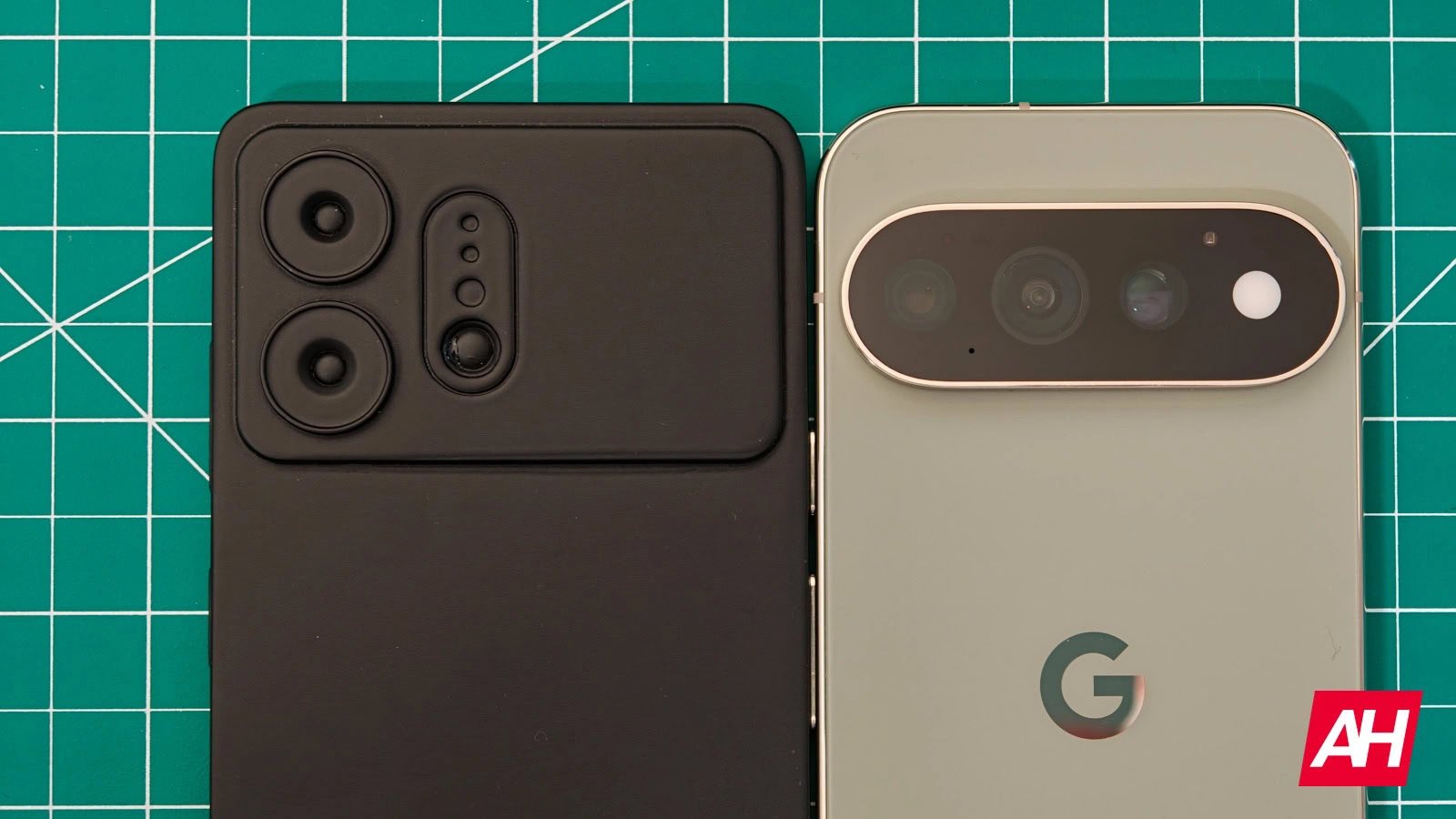
The visual language of the S27 Ultra, particularly the refined camera module, bears a resemblance to contemporary industry standards, including comparisons drawn against the iPhone 18 Pro and the Pixel 11 Pro. This shift toward a more streamlined camera housing is becoming a broader trend among major smartphone manufacturers. By consolidating the optics into a more purposeful arrangement, Samsung is aligning its design with market expectations for a cleaner, more modular look. While this evolution is visually striking, it brings practical consequences for the consumer. Most current protective cases designed for the S26 Ultra will likely be incompatible with the new device due to the repositioned camera array. Users planning to transition to the new flagship should anticipate the need for updated accessories upon the device’s release.
Impact on Future User Experience
As the early 2027 launch window approaches, the utility of this design update becomes clear. The transition from the S26 Ultra to the S27 Ultra represents a move toward refinement rather than a radical departure in form factor. By focusing on the structural placement of the cameras, Samsung is prioritizing the practical experience of device charging and accessory integration. Although the weight of the production model may differ from the non-functional dummy unit, the design language indicates a commitment to solving minor user frustrations—such as wireless charging heat and surface instability—that have persisted through previous hardware generations. These iterative improvements suggest that Samsung is focusing on the intersection of aesthetic utility and functional longevity as it prepares for its next flagship release.
Disclaimer: This content is auto-generated for informational purposes only.
Source: Read Original News