








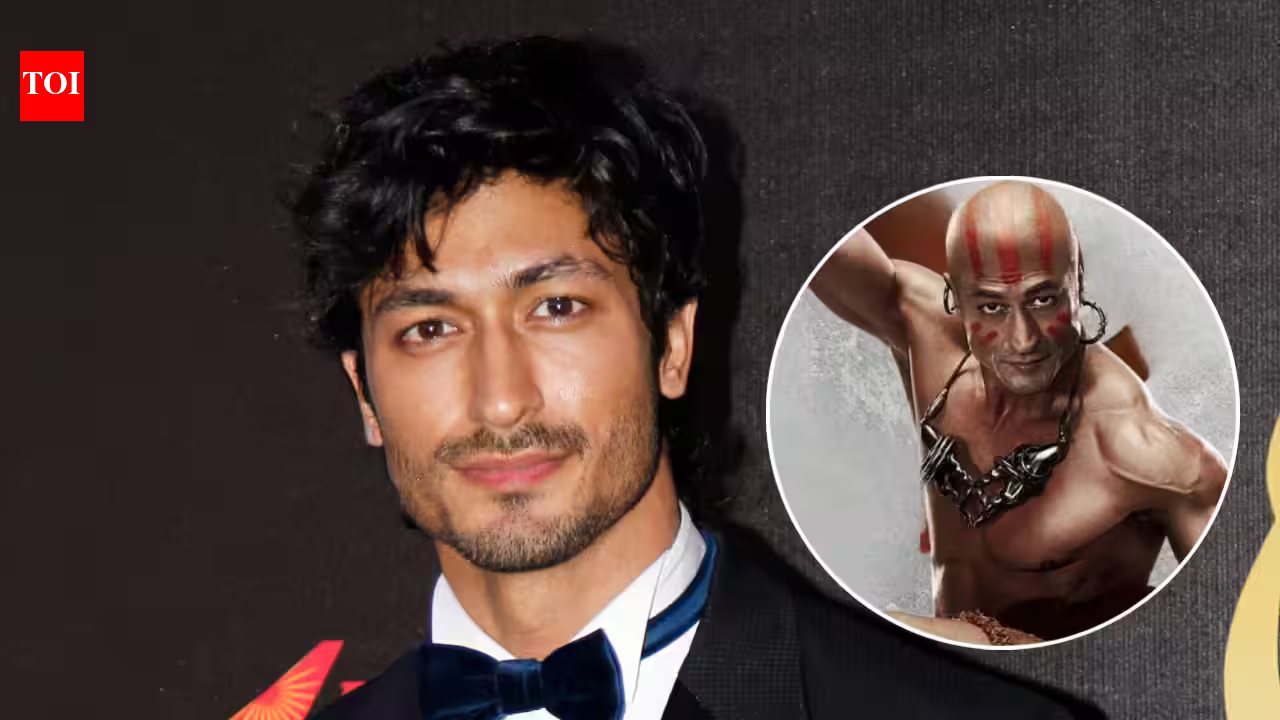
For years, the global film industry has struggled with the transition of video game icons to the big screen. Too often, the result is a hollow shell—a collection of CGI effects and fan-service nods that lack the soul of the source material. But with the release of the latest Street Fighter adaptation, director Kitao Sakurai seems to have cracked the code. At the heart of this success is India’s own action powerhouse, Vidyut Jammwal, whose transformation into the stretchy, fire-breathing yogi Dhalsim has become the talk of the town.
It isn’t just that Jammwal looks the part; it’s that he has inhabited it with a fervor that has left even his director stunned. As the film hits theaters, the buzz surrounding the Indian star’s Hollywood debut isn’t just about the novelty of the casting—it’s about the sheer physical and spiritual conviction he brought to a character that was, for decades, defined more by his digital limitations than his humanity.
A Legacy Reimagined: The Dhalsim Dilemma
When Kitao Sakurai first sat down to map out his vision for the Street Fighter universe, the inclusion of Dhalsim was far from a foregone conclusion. The character, a staple of the Capcom franchise since the early 90s, has historically walked a fine line. In the early days of fighting games, his design leaned heavily into tropes that haven’t aged particularly well in the modern cinematic landscape.
“The character might have started as a sort of stereotype,” Sakurai admitted in recent press discussions. This was the fundamental hurdle: how do you honor the legacy of a beloved gaming icon without falling back into the caricatures of the 90s? The answer, as it turns out, wasn’t to scrub the character from the script, but to ground him in profound, undeniable reality. To pull this off, the production needed more than just an actor—they needed a performer who lived the discipline of the character, someone who didn’t need to “act” like a martial artist because, quite frankly, they already were one.
The Jammwal Factor: More Than Just Stunts
Enter Vidyut Jammwal. Known in India as a master of Kalaripayattu and a man who treats gravity as a mere suggestion rather than a law, Jammwal brought a level of athletic integrity to the audition room that caught Sakurai off guard.
The director’s praise for his leading man has been effusive, bordering on reverent. “He’s more Dhalsim than Dhalsim, and he owns it, and he’s so proud of it,” Sakurai noted. In an industry where actors often view franchise films as “just another gig,” Jammwal approached Dhalsim with the seriousness of a historical biopic. He wasn’t playing a game character; he was portraying a master of combat and philosophy.
This sense of ownership is exactly what makes the performance resonate. Jammwal’s movement—fluid, precise, and dangerous—mirrors the exact energy of the video game fighter, but with an added weight of emotional authenticity. He hasn’t just mimicked the character’s pixelated kicks; he’s channeled the spirit of a warrior.
Authenticity Over Spectacle
The brilliance of Sakurai’s direction lies in his restraint. By prioritizing the human element of the World Warriors over the glitz of blockbuster visual effects, he has allowed Jammwal’s performance to breathe. In the final cut, we see a character who feels lived-in, a man whose history and training are etched into his posture and his calm, focused gaze.
This shift toward authenticity is what sets this iteration of Street Fighter apart. By hiring a performer who genuinely understands the lineage of martial arts, the film avoids the “plastic” feel that plagues so many other adaptations. For Jammwal, this role represents the pinnacle of his transition from regional action star to a formidable global presence. It is a calculated move that showcases his range—not just as an athlete, but as a screen presence capable of carrying the legacy of a legendary franchise.
The Global Stage and the Indian Audience
The October 16 release in India, complete with dubbed versions in Hindi, Tamil, and Telugu, underscores the importance of this casting. Indian audiences are notoriously tough critics when it comes to the representation of their culture in Western media, yet the reaction to Jammwal’s Dhalsim has been overwhelmingly positive. There is a sense of collective pride in seeing a homegrown talent occupy such a central role in a massive, multi-million dollar Paramount/Legendary production.
For Jammwal, the film acts as a calling card to Hollywood. He has long been the “go-to” guy for high-octane action in Mumbai, but this project proves he is ready for the global stage. He hasn’t just joined the Street Fighter universe; he has effectively claimed a piece of it as his own.
The Future of Fighter Cinema
As the dust settles on the opening weekend, the conversation has shifted toward the future. Can this style of “grounded” video game adaptation become the new standard? If Sakurai’s success with Dhalsim is any indication, the answer is a resounding yes.
By taking a character once trapped in a box of stereotypes and breathing fresh, authentic life into him, the team behind Street Fighter has done the impossible: they’ve made us care about the man behind the fire. And as for Vidyut Jammwal? He has proven that when you combine true martial prowess with the right creative vision, you don’t just play a character—you own it. In the high-stakes arena of Hollywood, that’s the ultimate victory.
Disclaimer: This content is auto-generated for informational purposes only.
Source: Read Original News