









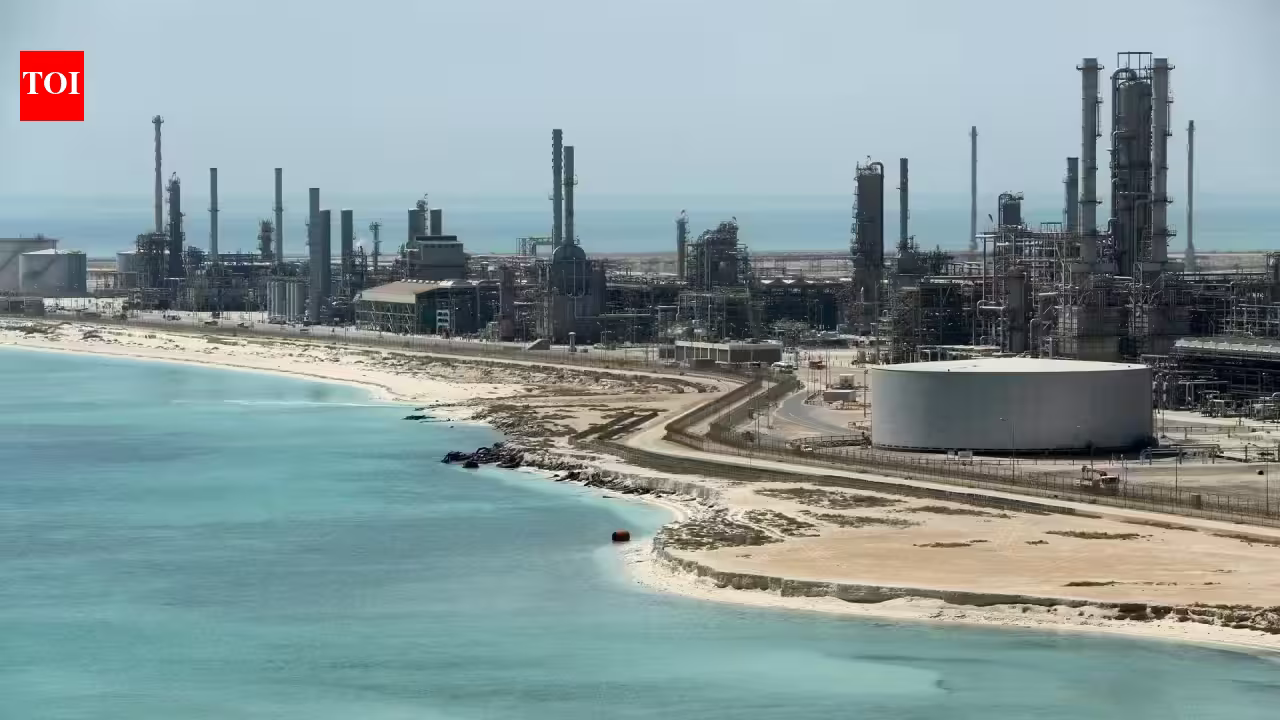
A burgeoning crisis in the Red Sea has compelled several Asian refiners to express significant apprehension about collecting crude oil shipments from the crucial port of Yanbu. This port, situated on Saudi Arabia’s Red Sea coast, has traditionally served as a vital loading point for Saudi Aramco’s crude destined for eastern markets. However, a recent surge in security risks within the waterway, primarily attributed to attacks by Iran-backed Houthi militants on tankers and energy infrastructure, has made finding vessels willing to traverse this increasingly perilous route an arduous task.
This escalating instability in the Red Sea region has not only amplified the immediate dangers for shipowners but has also added a complex layer to the broader geopolitical tensions engulfing the Middle East. Yanbu’s strategic importance to Saudi Arabia has grown considerably, particularly as the kingdom endeavors to maintain consistent crude shipments following disruptions to traffic through the Strait of Hormuz and severe restrictions on supplies originating from the Persian Gulf.
In response to these heightened concerns, at least two Asian refiners have reportedly approached Saudi Aramco, inquiring about the possibility of collecting their contracted crude from an alternative location: Sidi Kerir, an Egyptian port located on the Mediterranean Sea. These requests specifically pertain to September cargoes, which are covered by long-term contracts with Aramco. However, the logistical implications of such a change are substantial. The increased cost associated with transporting crude from Sidi Kerir to Asia via the longer route around Africa could potentially lead at least one of these refiners to forego its monthly allocation entirely, according to insights from traders.
Interestingly, some Saudi crude cargoes had already been rerouted to Sidi Kerir even before Aramco finalized its September sales. For the upcoming month’s allocations, Aramco reportedly instructed refiners in Japan and South Korea to collect their cargoes from the Egyptian port. In contrast, refiners in China, Taiwan, and India were predominantly requested to take their shipments from Yanbu.
Asian refiners typically procure Saudi crude through long-term contracts that are renegotiated on an annual basis. While these agreements stipulate the total quantity of crude to be acquired over the year, buyers retain a degree of flexibility regarding the precise timing of deliveries. This inherent flexibility allows them to reduce or even entirely forgo a particular month’s allocation should prevailing circumstances necessitate such a decision. The exact total quantity Aramco has allocated for September remains undisclosed. Nevertheless, traders indicate that the volumes sold to refiners outside of China are generally consistent with those supplied in recent months.
Prior to the emergence of security concerns stemming from Houthi activities, Saudi crude destined for Asia was typically loaded at Yanbu and then transported through the narrow Bab el-Mandeb Strait, situated at the southern extremity of the Red Sea. Although two Chinese-owned tankers carrying Saudi crude recently navigated through Bab el-Mandeb with their transponders actively broadcasting their positions, many other vessels have opted to deactivate their tracking signals in an effort to avoid detection and mitigate the risk of potential attacks.
In a move to incentivize purchases, Aramco lowered its primary crude price for Asian buyers for September. This revised pricing represents the deepest discount offered since 2020. It is crucial to note that these advantageous prices apply to crude loaded at Ras Tanura in the Persian Gulf. Refiners opting to collect supplies from other locations, such as Yanbu or potentially Sidi Kerir, will incur higher final costs due to the additional logistical complexities and expenses involved in transporting the oil over greater distances.