








“Away Physically, Present Mentally”: Sjoerd Marijne Reflects on His Strategic Absence Ahead of World Cup
KOLKATA: Balancing the demands of elite international coaching with personal commitments is a challenge few navigators of world-class sport manage successfully. For former Indian women’s hockey coach Sjoerd Marijne, the task required a delicate blend of trust, technology, and absolute conviction.
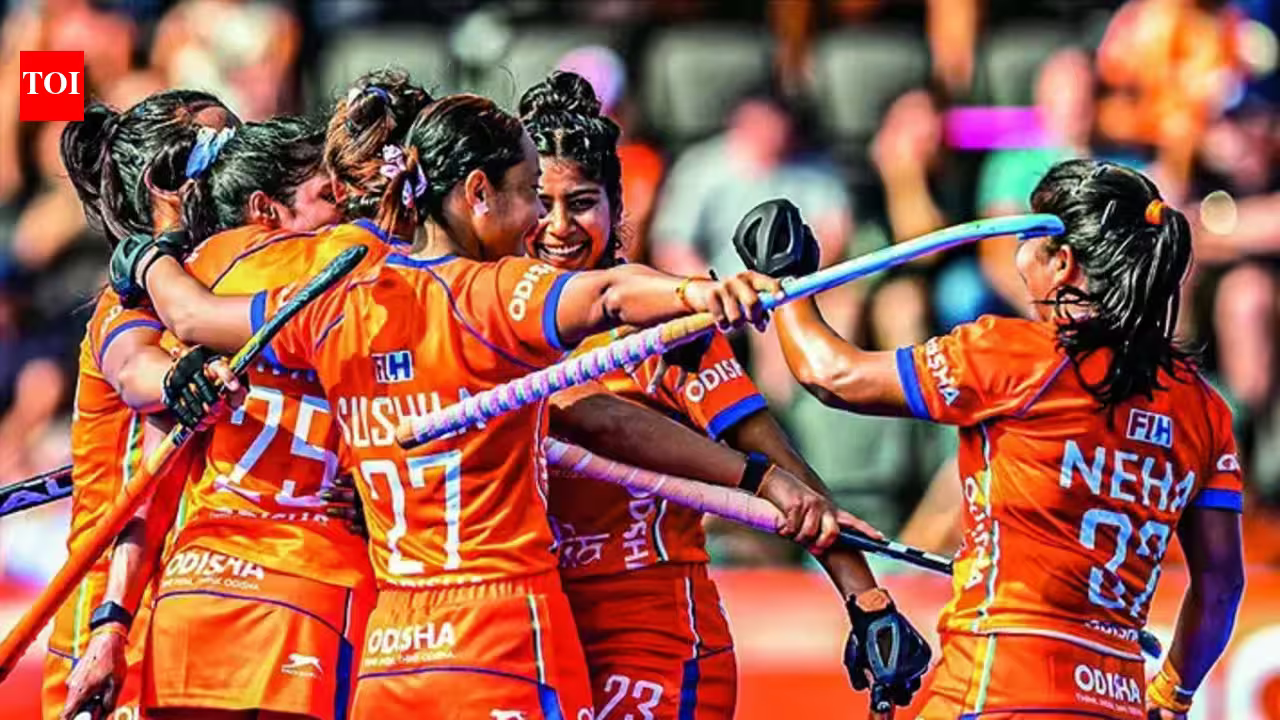
Following the team’s historic performance—securing their best finish in 52 years at the Hockey World Cup—the Dutchman has finally addressed the speculation surrounding his temporary departure from the training camp during the critical pre-tournament phase.
A History of Commitment
The narrative of Marijne’s dedication to Indian hockey is well-documented. In 2020, as the global pandemic began to shutter borders, Marijne found himself in a taxi headed for Bengaluru’s Kempegowda International Airport, prepared to fly home to the Netherlands. In a last-minute reversal, he abandoned the trip, opting to stay with his squad—a decision that eventually laid the foundation for India’s exhilarating fourth-place finish at the Tokyo Olympics.
Years later, the circumstances were different, but the intensity of his role remained the same. As the World Cup loomed, Marijne took a pre-arranged leave to reconnect with his family. While some viewed the absence as a potential disruption, Marijne asserts that the team’s preparation never wavered.
“I Saw Everything”
Speaking exclusively to the Times of India, Marijne emphasized that while he was absent from the training pitch, his oversight remained total. “I saw every training session and every practice match. I saw everything,” he said. “I wasn’t there in person, but I was there. I had contact with the players and did video meetings with them, so I was on top of the process.”
The seamless transition was made possible by a robust support structure. Marijne was quick to credit his assistants, specifically Matias Villa and Tim White, for maintaining the rigors of the program. “I knew they were in good hands,” he noted.
Cultivating Maturity and Leadership
Perhaps the most significant takeaway from this period, according to Marijne, was the maturation of the squad. The team’s ability to uphold their structure and core values without his physical presence served as a testament to the culture he had worked to instill.
“There’s a lot of leadership in the team and they knew that they had to do well and set the example,” Marijne explained. When he eventually returned to the field, he found that the momentum had not slowed. “For the girls, it felt like I hadn’t been away. It was all the same.”
For the coach, the experience was a validation of his philosophy: elite coaching is not about constant supervision, but about building a self-sustaining system of accountability. By ensuring he was mentally present and digitally connected, Marijne proved that while coaching requires physical proximity, the most important influence happens in the minds and culture of the players themselves.