

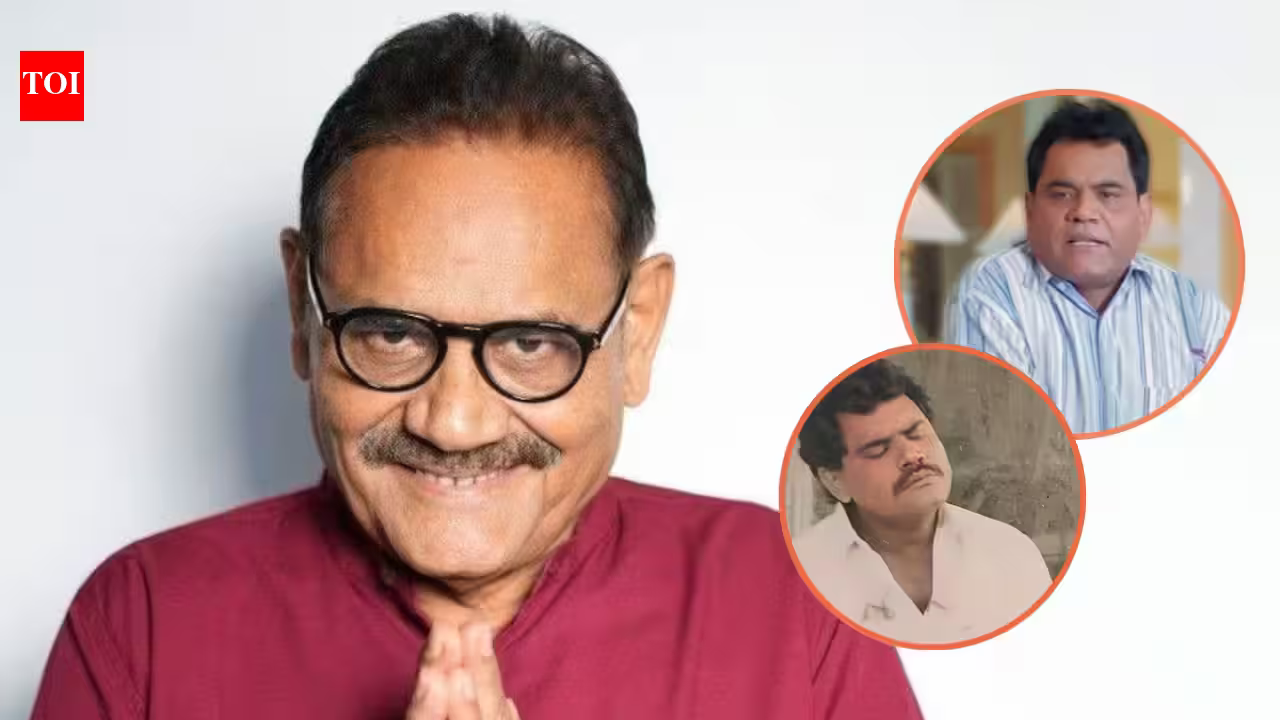





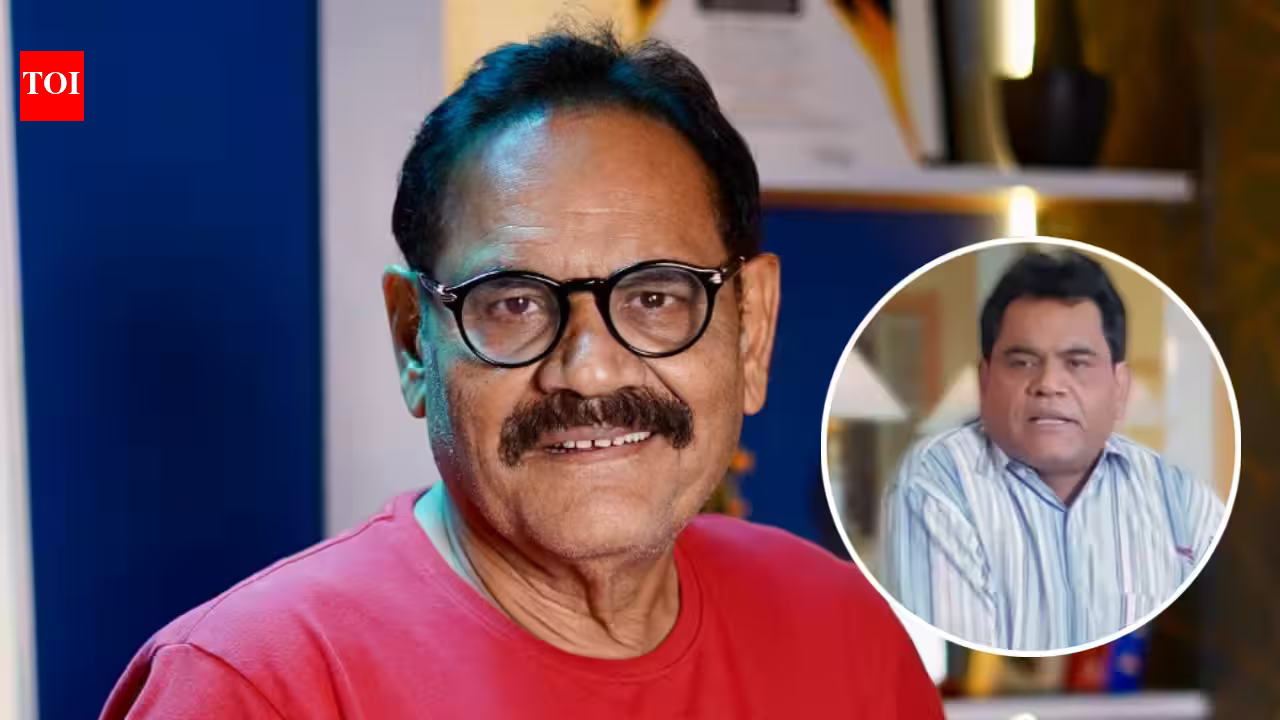
The landscape of Indian cinema is paved not just by the superstars whose faces grace the hoardings, but by the dedicated character actors who breathe soul into the narrative fabric of our favorite films. On Thursday evening, September 24, the industry lost one of its most reliable and beloved anchors. Mushtaq Khan, a veteran whose career spanned over three decades and bridged the gap between the gritty dramas of the late 80s and the blockbuster comedies of the modern era, passed away at the age of 56 at Mumbai’s Nanavati Hospital.
For those of us who have followed Bollywood’s evolution, Khan’s face was a constant, comforting presence. Whether he was providing the necessary tension in a Mahesh Bhatt drama or the perfect punchline in a slapstick comedy, his talent was defined by a rare, understated ease. His passing, following a brave battle with lung cancer, marks the end of a prolific chapter for one of Hindi cinema’s most enduring character actors.
A Quiet Struggle Behind the Public Persona
The news of his death was confirmed by his business partner, Shivam, who revealed that the actor had been fighting a difficult battle with cancer. Initially diagnosed five years ago, Khan had reportedly achieved a period of remission, which makes the recent relapse all the more heartbreaking. Admitted to Nanavati Hospital for the last 15 days, he was placed in the Intensive Care Unit as his condition rapidly deteriorated. It was a somber conclusion to a life that had been defined by relentless work, right up until the very end.
The news sent ripples of grief through the industry. Actor-comedian Sunil Pal was among the first to express his condolences, posting a tribute on social media, while BN Tiwari, president of the Federation of Western India Cine Employees (FWICE), formally confirmed the loss to the media. For an actor who was perhaps more famous for his roles than his celebrity status, the outpouring of grief from his peers reflects the deep respect he commanded behind the scenes.
From ‘Kabzaa’ to Cult Classics
Mushtaq Khan’s journey into the limelight was anything but overnight. It was the result of a rigorous climb that began in the 1980s. In a reflective interview just last year, Khan spoke candidly about his early struggles in Mumbai. It was a recommendation from Salim Khan that eventually opened the door to a meeting with filmmaker Mahesh Bhatt—a connection that would define the first decade of his career.
That collaboration proved to be the bedrock of his rise. From his role in Kabzaa (1988) to a string of Bhatt-helmed staples including Aashiqui, Dil Hai Ki Manta Nahin, Sadak, and Hum Hain Rahi Pyar Ke, Khan became a fixture of 90s cinema. He possessed a chameleon-like ability to inhabit the space of the “everyman,” providing the necessary connective tissue between the leads and the plot. He wasn’t just filling a frame; he was grounding the story in reality.
The Iconography of ‘Ballu’
Perhaps no role captured the collective imagination of the Indian audience quite like his turn as ‘Ballu’ in Anees Bazmee’s 2007 cult hit Welcome. As the loyal, slightly dim-witted, and utterly hilarious sidekick to Nana Patekar’s Uday Shetty, Khan delivered a performance that elevated the film’s comedic stakes.
In a movie filled with larger-than-life characters and chaotic humor, Khan stood out with his deadpan delivery. His monologue—complete with the legendary, oft-quoted line about his “nakli taang” (artificial leg) and his glory days as a hockey player—is etched into the lexicon of modern Bollywood humor. It is a testament to his comic timing that a line delivered nearly two decades ago still trends on social media today. He proved that you don’t need the longest screen time to make the biggest impact; you just need to own every second you have.
A Career Defined by Consistency
While many actors of his generation struggled to adapt to the changing aesthetics of 21st-century filmmaking, Mushtaq Khan thrived. He transitioned seamlessly from the melodramatic flair of the 90s to the high-gloss, high-concept cinema of the present day. His return to the screen as Gul Khan in Gadar 2 (2023), reprising the role he first played in the 2001 original, was a poignant full-circle moment. It served as a reminder that even in the age of digital spectacle, audiences craved the familiar warmth of actors they grew up watching.
His filmography is a sprawling map of Indian cinema’s diverse moods: from the intensity of Krantiveer and Wanted to the lighthearted absurdity of Mujhse Shaadi Karogi and the supernatural satire of Stree and Stree 2. Even in his final years, he remained active, proving that his passion for the craft had not dimmed despite his health challenges.
A Legacy of Excellence
Beyond the spotlights, Mushtaq Khan leaves behind a family who stood by him through the highs and lows of a life in show business. He is survived by his wife, Salma Khan, and their children, Mohammed Arshad Khan and Mohshin Khan.
The film industry often focuses on the “stars,” but the structural integrity of Bollywood rests on the shoulders of artists like Mushtaq Khan. He taught us that a supporting role is not a lesser role—it is a vital component of the cinematic experience. As we look back on his massive catalog of work, we aren’t just remembering a man who memorized lines and hit his marks; we are remembering a storyteller who helped us laugh, cry, and believe in the world of the film.
Rest in peace, Mushtaq Khan. You were, and will remain, an essential player in our shared cultural history.
Disclaimer: This content is auto-generated for informational purposes only.
Source: Read Original News