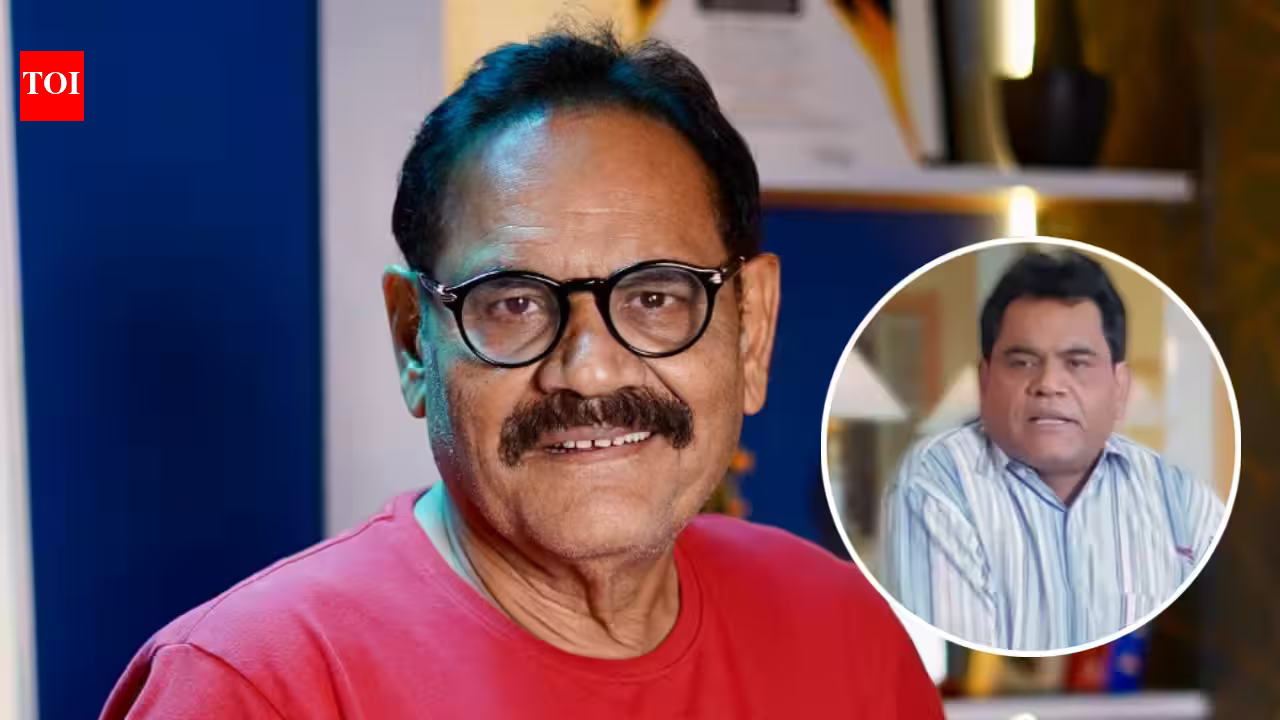







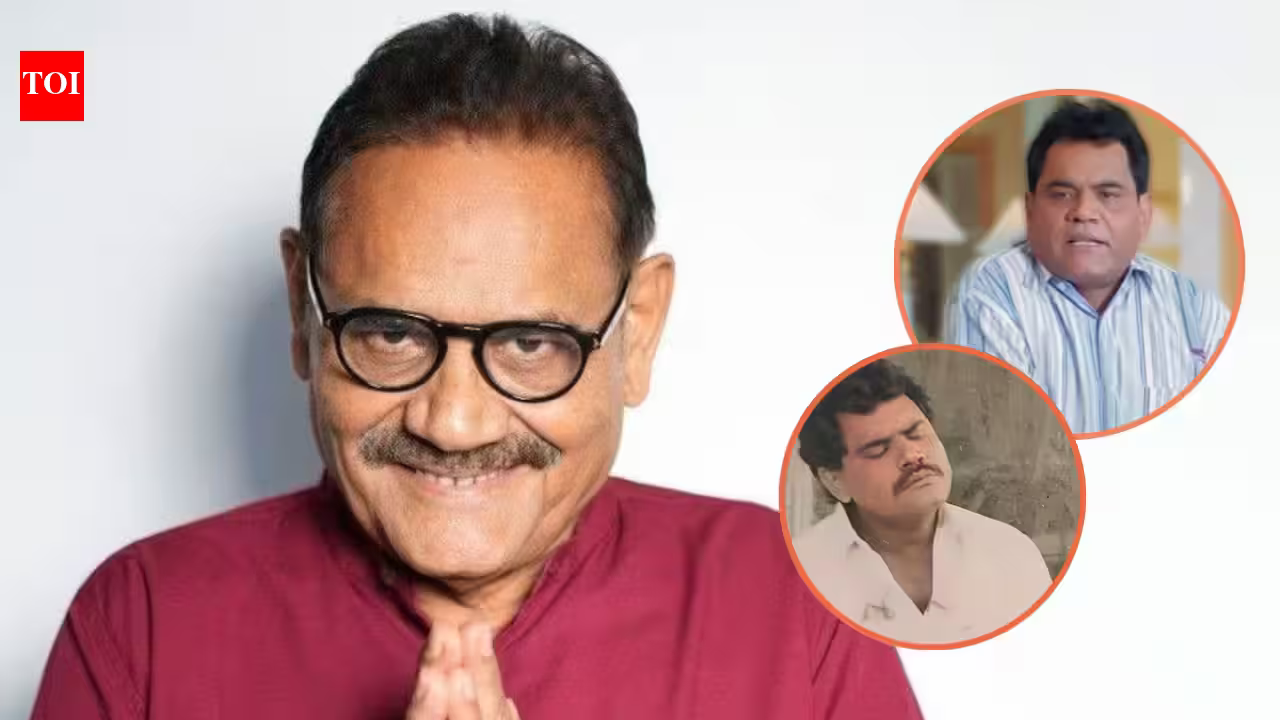
The landscape of Indian cinema is often defined by its titans—the actors whose names appear in marquee lights and command opening-day crowds. But the true heartbeat of Bollywood, the reason these stories feel lived-in and authentic, resides with the stalwarts of the supporting cast. Mushtaq Khan was one of those rare, indispensable gems. On Thursday, September 24, the industry lost a piece of its soul as the veteran actor passed away at age 56 at Mumbai’s Nanavati Hospital, leaving behind a legacy carved out of four decades of grit, humor, and unparalleled screen presence.
The news, confirmed by his business partner, marks a somber end to a private but courageous battle with recurring lung cancer. While his passing has left a void, it has also sparked a collective, nationwide nostalgia, as fans across the country pull up clips of the man who could steal a scene simply by leaning into the frame.
The Art of the Scene-Stealer
In an industry dominated by larger-than-life protagonists, Mushtaq Khan mastered the art of being the “everyman” with a twist. Nowhere was this more evident than in Anees Bazmee’s 2007 cult classic Welcome. As Ballu, a loyal (if somewhat incompetent) soldier in Uday Shetty’s underworld empire, Khan did the impossible: he held his own against the comedic gravity of Nana Patekar and Anil Kapoor.
The monologue—a rambling, absurd, and hilarious explanation involving a prosthetic leg and a past as a hockey player—remains a masterclass in deadpan delivery. It is a moment of pure, unfiltered comedy that solidified his status as an actor who didn’t just recite lines; he inhabited them. He understood that in a chaotic ensemble, the quiet, eccentric character is the one the audience gravitates toward. That single scene didn’t just make the movie better; it became a piece of internet lore, a permanent fixture in the lexicon of Bollywood memes and fan tributes.
A Career Built on Consistency
Mushtaq Khan’s journey began in 1980 with Albert Pinto Ko Gussa Kyoon Aata Hai, a landmark film in Indian parallel cinema. From those humble, artistic beginnings, he transitioned seamlessly into the high-octane, glamorous world of commercial Hindi cinema. His filmography reads like a checklist of the last forty years of Bollywood evolution.
Whether he was providing emotional grounding as Rafoo Master in the 1990 classic Aashiqui or navigating the high-stakes hilarity of Hera Pheri, Khan was a chameleon. He worked with the industry’s biggest directors—Bhatt, Priyadarshan, and Prabhu Deva—and consistently proved that a movie’s success often hinges on the quality of its character actors. He was a utility player in the best sense of the term, capable of sliding into any role, be it a small-town villager, a comic henchman, or a beleaguered professional, and making it feel entirely human.
The ‘Gadar’ Legacy and Beyond
One cannot discuss Mushtaq Khan without mentioning his deep ties to the Gadar franchise. As Gul Khan, he brought a sense of continuity and lived-in history to the saga of Tara Singh. Reprising the role in 2023’s Gadar 2, more than two decades after the original, was a testament to his enduring relevance. Seeing him back on screen, bringing the same spirit to the role after all those years, served as a poignant reminder of why he was so widely respected: he was a constant, a reliable anchor in an industry that is notoriously fickle.
His ability to remain relevant from the era of VHS tapes and cable TV to the age of digital streaming and record-breaking box office hits is a rarity. He didn’t just grow old in the industry; he grew with it, evolving his craft to meet the demands of every new generation of filmmakers.
A Final Act of Dedication
Even as his health faltered, Mushtaq Khan’s dedication to his craft remained unwavering. His final years were incredibly productive, showing a work ethic that many performers half his age would struggle to match. From the spook-filled corridors of Stree and Stree 2 to his recent work in Badhaai Do, he continued to surprise audiences. He refused to be relegated to the sidelines, instead choosing to participate in some of the most innovative and successful projects of the modern era.
It is heartening to know that his work continues to reach audiences. With projects like Hum Angrezon Ke Zamane Ke Jailor Hai and Cocaine slated for release, the industry—and the public—will have the chance to celebrate his talent well into the future. It is a bittersweet reality for those who knew him, but it stands as a fitting tribute to a man who lived his life in front of the lens.
Why We Will Miss Him
There is a specific kind of grief that comes with the loss of an actor like Mushtaq Khan. We didn’t necessarily know him at the dinner table, but we grew up with him on our screens. He was a familiar face in the living room, a comforting presence during weekend matinees, and the guy who could make a bad day better with a single, perfectly delivered punchline.
Mushtaq Khan didn’t need to be the hero to be vital. He taught us that a performance is not measured by the number of pages in the script, but by the resonance of the character in the hearts of the viewers. As the credits roll on a life lived with passion and precision, we are left with the archives—the laughter, the drama, and the indelible mark of a true character actor who made the world of movies feel like home. Rest in power, Mushtaq Khan. You were, and will always be, a hockey player—and a champion of the craft.
Disclaimer: This content is auto-generated for informational purposes only.
Source: Read Original News