









The Writers Guild of America East (WGAE) has launched a strategic initiative to reclaim control over the intellectual property of its members, directly challenging the unregulated expansion of artificial intelligence in the creative sector. In a newly announced partnership, the union is equipping writers with proprietary technology designed to act as a digital shield, ensuring that creative scripts remain inaccessible to AI training models while staying perfectly readable for human eyes.
## A Technical Defense Against AI Data Scraping
The core of this initiative is a partnership with Cloak, a software company currently holding a pending patent for technology that “scrambles” digital documents. To a human reader, a script processed by Cloak appears as standard text, but to an AI model—which typically ingests and processes massive datasets for training—the content becomes indecipherable.
By offering this software to its members for free, the WGAE is providing a practical tool to combat the unauthorized use of copyrighted material. Non-members who utilize the union’s script registration services can also access the software for a nominal $10 fee. This move is designed to provide writers with the confidence to share their work with producers, agents, and talent representatives without the fear that their labor will be ingested, summarized, or used to train future generative AI tools.
## Protecting the Creative Process from Automation
The union’s decision stems from a growing concern that generative AI is being used as a shortcut in the industry, effectively bypassing the human element of script coverage and executive feedback. By employing Cloak, writers can effectively block agency assistants or industry executives from feeding their scripts into AI models to generate summaries or automated notes.
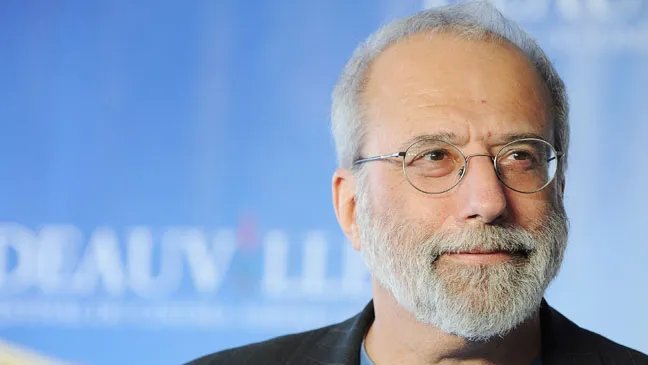
WGAE President Tom Fontana emphasized that this partnership is a direct response to the exploitation of creative workers. “We’re excited about the partnership with Cloak because it means members don’t need to worry that their work will be used to train AI models after they send it to producers or agents,” Fontana said in a statement. He expressed a deep concern that years of creative effort could be reduced to a machine-generated email attachment, a trend the union is actively attempting to reverse.
## The Long War Against Algorithmic Encroachment
This partnership represents the latest phase in the WGA’s broader campaign to integrate human-centric protections into the tech-dominated landscape of modern Hollywood. Following the landmark 2023 strike, which secured the first contractual protections for writers against AI, the union has continued to ramp up its efforts. The WGAE’s dedicated AI task force meets monthly to monitor industry trends and navigate the ethical challenges posed by rapidly evolving large language models.
Beyond internal union protections, the WGAE is also taking its advocacy to the legislative level. The union is currently backing proposed legislation in New York that would mandate clear, visible disclaimers on news articles and content produced largely or entirely by generative AI.
For Rishi Ambavanekar, the founder of Cloak, the objective is to restore agency to the creative class. “Until now, there hasn’t been a real technically sound way to fight back against AI and determine how the content you create actually interacts with it,” Ambavanekar noted. By providing these tools, the union hopes to keep creative writing firmly in the hands of human authors, rather than allowing scripts to be treated as mere fuel for data-processing machines. As the technology landscape shifts, the WGAE’s move signals that writers are no longer waiting for tech giants to regulate themselves; they are taking the necessary steps to hide their work in plain sight.
Disclaimer: This content is auto-generated for informational purposes only.
Source: Read Original News