








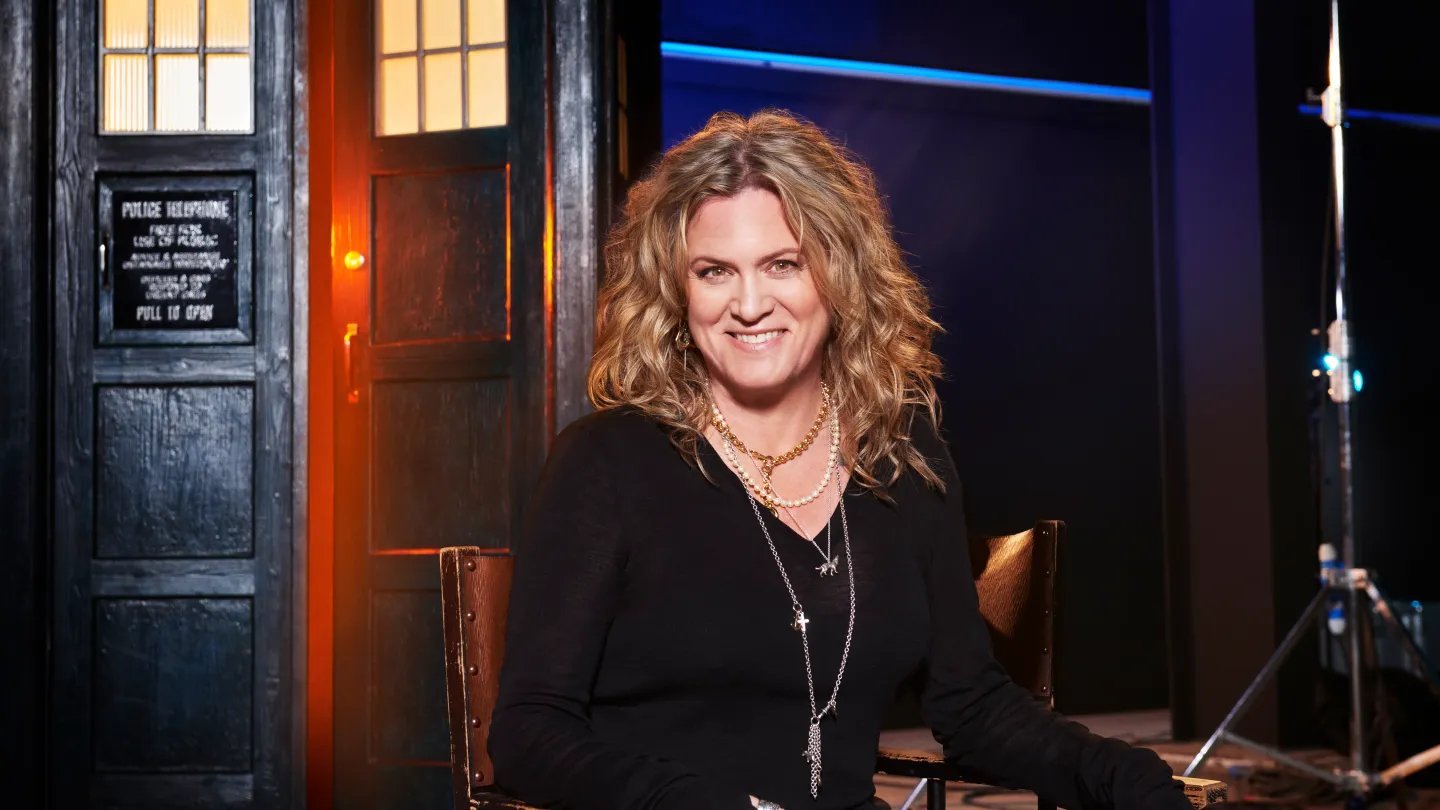
As the television landscape navigates the post-“Peak TV” era, Jane Tranter, the visionary co-founder of the production powerhouse Bad Wolf, is recalibrating the way premium drama is brought to the screen. Speaking at the MIA Market in Rome, the producer—whose credits include global hits like HBO’s Succession and Industry—shared a candid assessment of a industry currently facing restricted budgets and a shift in streaming-platform strategies.
Navigating the “Post-Boom” Production Climate
For over a decade, Bad Wolf has been synonymous with high-budget, ambitious co-productions. However, as American streaming giants tighten their belts, Tranter acknowledges that the era of unlimited spending has hit a wall. According to the producer, who now operates under the Sony-backed umbrella, the industry must pivot away from the expectation of ever-increasing budgets.
“You can’t expect television budgets to keep increasing when everywhere else, everything is costing more,” Tranter noted, emphasizing that the current economic climate—marked by a global cost-of-living crisis—requires a more pragmatic approach to production. Rather than viewing this as a limitation, Tranter frames it as a necessary adjustment: ensuring that budgets remain “right for the show” rather than bloated by the excesses of the streaming wars.
The Strategy of the Contrarian Creative
Despite the financial headwinds, Tranter remains fiercely optimistic about the future of high-end drama. Her advice to creators is to ignore market sentiment and instead lean into “zig-zagging.”
“If everyone is zigging, you should zag,” she explained during her fireside chat. This philosophy is evident in Bad Wolf’s current slate, which includes the critically acclaimed, cozy period drama The Other Bennet Sister. While some industry trends suggest a decline in appetite for costume dramas or fantasy, Tranter argues that these genres remain vital if executed with purpose. She encourages her development team to seek out projects that run counter to prevailing traffic, betting that broadcasters will eventually crave the very content they previously turned away.
This contrarian spirit extends to how she structures projects. Rather than relying solely on the gravitational pull of Hollywood, Tranter believes that creators today should be prepared to “make your own mecca.” Her recent work on Apple TV’s Berlin Noir—a collaboration with Tom Hanks and Gary Goetzman’s PlayTone—demonstrates a commitment to physical production that bypasses traditional hubs, opting for locations that serve the narrative rather than the studio system.
From Hollywood Lessons to Global Growth
Tranter’s trajectory from her early days at the BBC to the heights of American television provided her with a unique education in the volatility of the entertainment business. Reflecting on her time in the U.S., she admits that Hollywood taught her “humility,” noting the fickle nature of a town where dreams can be built and destroyed in a matter of hours.
These experiences were foundational to how she built Bad Wolf in Cardiff, Wales. Drawing inspiration from her time working with the late James Gandolfini on HBO’s The Night Of, Tranter sought to replicate that specific sense of community and family-oriented industry in her own backyard. This, she believes, is the secret to enduring success: fostering a sustainable environment that prioritizes creative connection over transactional relationships.
As the industry moves forward, Tranter’s approach serves as a blueprint for sustainability. By balancing the humility learned in the high-stakes world of U.S. drama with a bold, independent creative vision, she continues to prove that even in a cooling market, there is still plenty of room for bold, revolutionary storytelling—provided producers are willing to pave their own way.
Disclaimer: This content is auto-generated for informational purposes only.
Source: Read Original News