








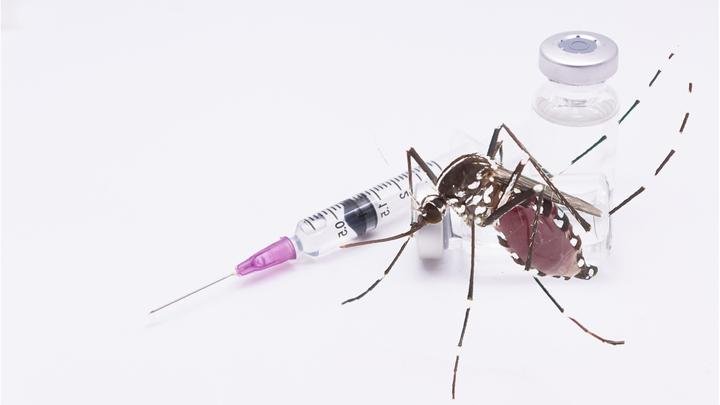
TEMPO.CO, Jakarta – The Chair of the Adult Immunization Task Force of the Indonesian Association of Internal Medicine Physicians (PAPDI), Sukamto Koesnoe, emphasizes that dengue hemorrhagic fever (DHF) also has a significant impact on the adult age group, especially the productive age. “Dengue is often considered a disease that mainly affects children, whereas in the adult age group, the risk remains high and can have broad-reaching impacts,” said Sukamto in a press release received by Tempo on May 10, 2026.
He added that a considerable number of adult patients have to be hospitalized due to dengue. This disease, which requires several days for recovery, can ultimately disrupt daily activities, work, and family productivity. Moreover, in the adult age group, especially those with underlying conditions or comorbidities such as diabetes, hypertension, or other health disorders, the risk of dengue-related complications can be higher. “These conditions can exacerbate the course of the disease and increase the need for more intensive medical care,” he said.
Sukamto reminded that various preventive measures are crucial from the beginning to help reduce the risk of more serious conditions. Therefore, it is essential for the public to incorporate prevention as part of their daily routine. Prevention can start from maintaining the environment to considering additional protective measures as part of a comprehensive approach. “In this World Immunization Week, we urge the public to be more proactive in protecting themselves and their families, including consulting with healthcare professionals about available prevention options, such as immunization, according to individual needs and conditions,” he said.
The increasingly unpredictable weather patterns, including higher air temperatures, also contribute to the increased risk of dengue spread. Therefore, integrated prevention measures need to be taken, starting from environmental control, increased awareness, to the use of health innovations as part of a more comprehensive protection against dengue. Besides the adult group, dengue in children also needs to be a serious concern.
The Chair of the Child Immunization Task Force of the Indonesian Pediatric Society (IDAI), Hartono Gunardi, emphasizes that dengue fever has unique characteristics because the course of the disease is not always predictable. “A child with common early dengue fever symptoms, such as sudden high fever, headache, muscle and joint pain, and nausea or vomiting, can sometimes rapidly worsen, leading to severe bleeding and shock. In addition, other complications such as seizures and decreased consciousness can occur,” said Hartono.
Children are one of the groups that require special attention. About 75 percent of dengue fever cases occur in the 5-44 age group, with the largest proportion of deaths, approximately 41 percent, occurring in the 5-14 age group, which can be influenced by the still-developing immune system and delays in recognizing symptoms. Therefore, comprehensive prevention is necessary, ranging from environmental control through the 3M Plus to additional protection as part of a comprehensive approach.
In practice, healthcare professionals can help the public understand various available prevention options, including immunization. “In line with the latest BPOM approval, dengue immunization is recommended for children aged 4 to 18 years,” said Hartono.
Hartono added that in this World Immunization Week, their team encourages the public to increase awareness of the importance of prevention and self-protection. “With simple yet consistent steps, we can protect ourselves and our loved ones from the dangers of dengue fever infection,” he said.
Previously, in World Immunization Week 2026, PT Takeda Innovative Medicines collaborated with Halodoc to jointly prevent dengue fever. This activity focused on improving education and access to healthcare services for healthcare professionals and the wider community. This collaboration is part of a cross-sector contribution to strengthen DH prevention in Indonesia, as awareness of the importance of comprehensive health protection increases.
Through this partnership, Takeda and Halodoc have introduced initiatives that include education for healthcare professionals regarding DH and its preventive efforts, as well as various public education activities through the Halodoc digital platform. The public can also access doctor consultations to obtain accurate information about DH and preventive measures that can be taken, including vaccination.
Read: 75 Percent of Dengue Fever Cases Occur in Ages 5-44 Years
Click here to get the latest news updates from Tempo on Google News