









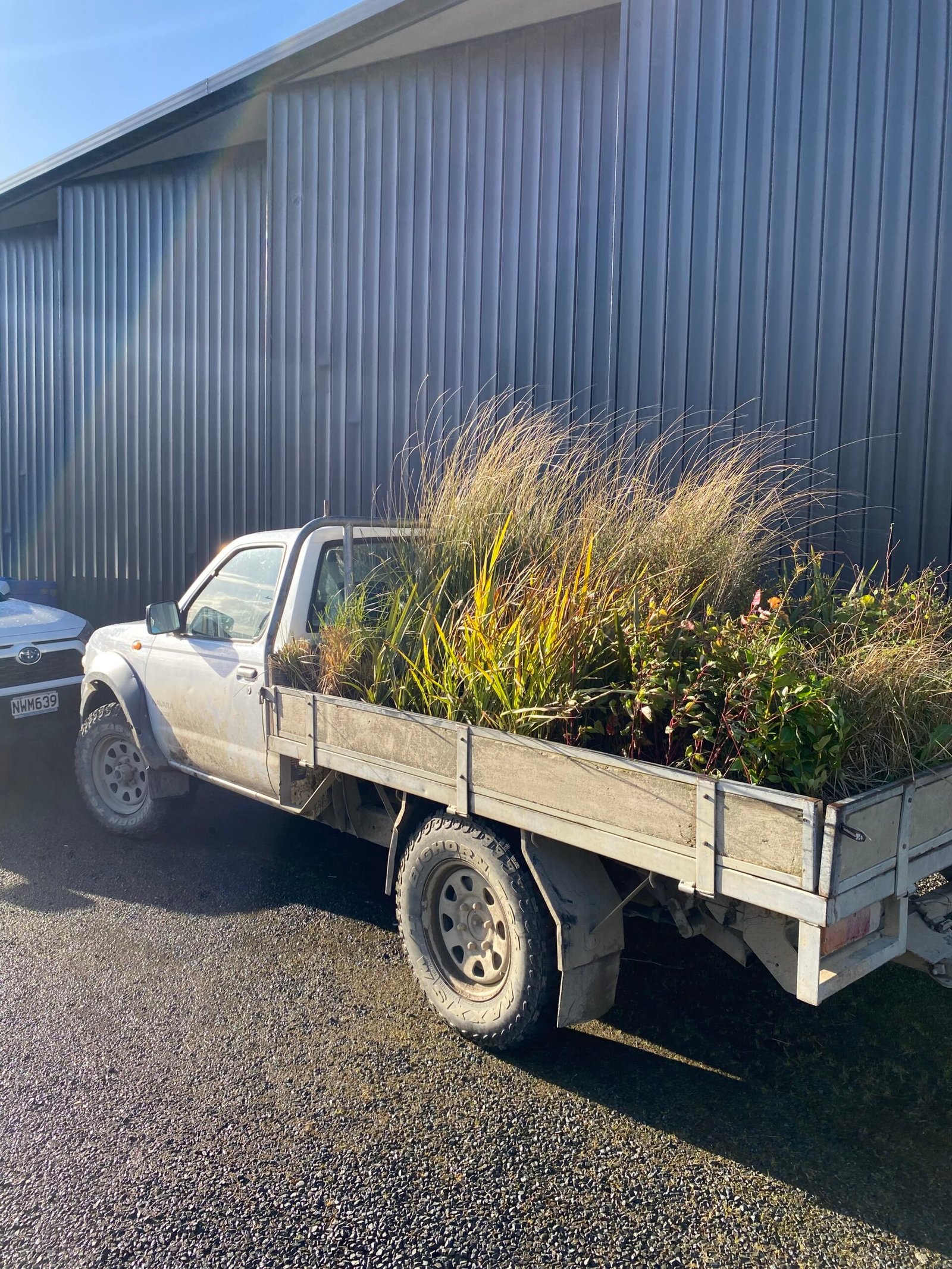
Two years after the launch of The Catlins Catchment Action Plan (CAP), the initiative stands as a testament to the effectiveness of community-led environmental stewardship. Developed through the Otago Regional Council’s (ORC) Integrated Catchment Management programme, the plan established a collective vision for the region, balancing the preservation of a unique natural landscape with the needs of the local economy and traditional ways of life.
Guided by six core community values and seven strategic pillars, the CAP has transitioned from a conceptual framework into a series of tangible, ground-level improvements. To facilitate this momentum, the ORC provided $100,000 in seed funding to the Catlins Catchment Action Plan Governance Group, allowing residents to pursue priority projects that address the most pressing environmental challenges in their backyard.
Robbie Byars, co-chair of the ORC’s Environmental Delivery Committee, views the two-year anniversary as a significant benchmark. “The Catlins Catchment Action Plan was developed by the community, for the community,” Byars said. “This milestone is an opportunity to reflect on what can be achieved when people come together around a shared vision and take practical action.”
The scope of work undertaken since the plan’s adoption is broad, reflecting the diverse ecological needs of the area. Efforts have included extensive water quality monitoring and the use of eDNA testing to catalog species presence, providing a more robust scientific understanding of the catchment’s health. On the ground, the focus has shifted toward restoration and resilience: native planting initiatives are underway, fish passage inspections are being conducted to ensure connectivity for aquatic life, and community-led weed and mammal management plans have been established to curb the spread of invasive species.
Notable projects include the Irahuka rabbit fencing initiative and the distribution of subsidised bait stations, which have empowered individual landowners to take direct action against pests.
Vincent Leith, co-chair of the Governance Group, noted that the community identified three primary areas of concern: introduced mammals and birds—specifically Canadian Geese—weed control, and the transition toward sustainable farming and forestry practices.
“The Otago Catlins Invasive Mammal Management Plan 2025-2035 has been created to form the future pathway for pest management in the Otago Catlins area,” Leith explained. “The plan is the result of engagement and collaboration between the community, NGOs, government agencies, Treaty Partners, and Mana Whenua. We have focused on prioritizing pests and identifying specific areas where control efforts will have the most significant impact.”
The practical success of these initiatives was on full display at a community expo held in Owaka on October 30, 2026. The event served as a progress report, featuring exhibits on riparian planting—including vegetation grown at the Milton Correctional Facility for use along the Owaka riverbanks—as well as demonstrations on trapping, biodiversity monitoring, and water testing.
As the program enters its next phase, the focus will remain on sustaining the momentum of community-led action. By fostering partnerships and maintaining rigorous monitoring of ecological outcomes, the Governance Group aims to ensure that the gains made over the past two years become long-term improvements. The success of the Catlins CAP serves as a blueprint for other regions, demonstrating that when environmental policy is rooted in local values and supported by regional resources, it can catalyze a meaningful transformation of the rural landscape.
Disclaimer: This content is auto-generated for informational purposes only.
Source: Read Original News