








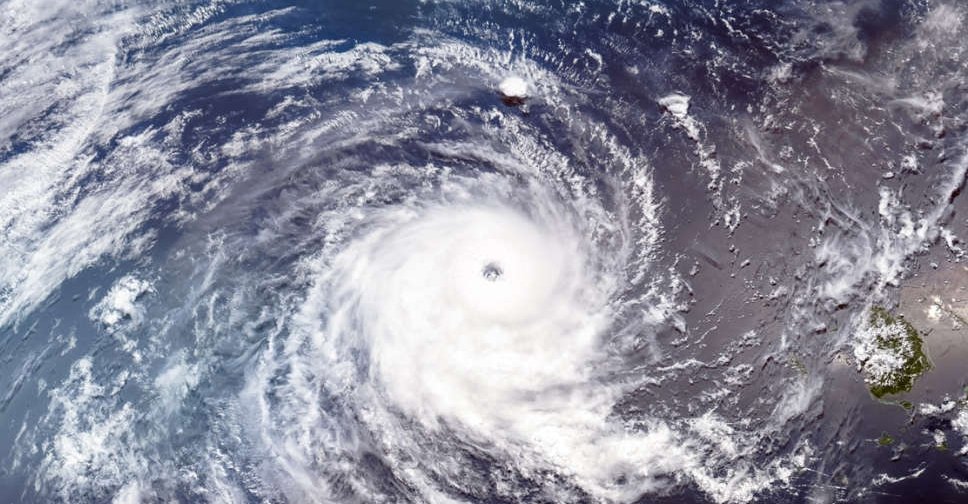
Coastal India on High Alert as Second Cyclone Approaches within a Week
VISAKHAPATNAM – Authorities across India’s eastern coastline initiated large-scale evacuation efforts on Monday as the region braces for the arrival of Cyclone Murasu. The storm, brewing over the Bay of Bengal, is slated to make landfall in the early hours of Tuesday, threatening to compound the distress of communities still reeling from the devastation caused by Cyclone Arnab just seven days ago.
While meteorologists suggest that Murasu will carry less intensity than its predecessor, state governments are taking no chances. The previous storm, Arnab, resulted in six confirmed fatalities and widespread destruction, leaving countless families without homes and leveling significant stretches of agricultural land.
Massive Evacuation Underway
Prakhar Jain, the managing director of the Andhra Pradesh State Disaster Management Authority, confirmed that emergency response teams have been working around the clock to move residents out of the path of the storm.
“We have already moved approximately 2,000 individuals to safer ground, and the evacuation process remains ongoing,” Jain told Reuters on Monday. “Our current target is to relocate roughly 30,000 people to temporary shelters to ensure their safety before the weather deteriorates.”
Anticipating the Impact
The India Meteorological Department (IMD) has been closely monitoring the cyclone’s trajectory since it intensified over the Bay of Bengal. According to the latest data, the states of Tamil Nadu and Andhra Pradesh are expected to bear the brunt of the storm’s landfall.
Coastal districts in these states are currently witnessing heavy overcast skies and rising sea levels as the periphery of the system nears the shore. Local administrations have been instructed to suspend fishing activities and secure infrastructure along the coastline. Emergency shelters have been stocked with essential supplies, including clean water, dry rations, and medical kits, to support those being displaced.
The Bay of Bengal remains one of the most volatile regions globally for tropical weather systems, frequently subjecting India’s eastern seaboard to intense cyclonic activity. The back-to-back nature of these storms—Arnab followed so closely by Murasu—has placed a heavy burden on disaster management resources, as rescue teams struggle to transition from recovery operations to new mitigation efforts.
Preparing for the Aftermath
The IMD has advised residents in low-lying areas to remain indoors and follow the instructions issued by local officials. Beyond the immediate threat of high-velocity winds, experts are warning of potential flash flooding and severe waterlogging in urban pockets along the coast.
As authorities continue the evacuation drive, the focus remains on preventing a repeat of the human cost seen last week. With the landfall expected early Tuesday morning, the coming 24 hours will be critical in determining the extent of the damage. For now, the administration is prioritizing the preservation of life, hoping to mitigate the impact of yet another climate-driven disaster hitting the region’s vulnerable coastal belt.
Disclaimer: This content is auto-generated for informational purposes only.
Source: Read Original News