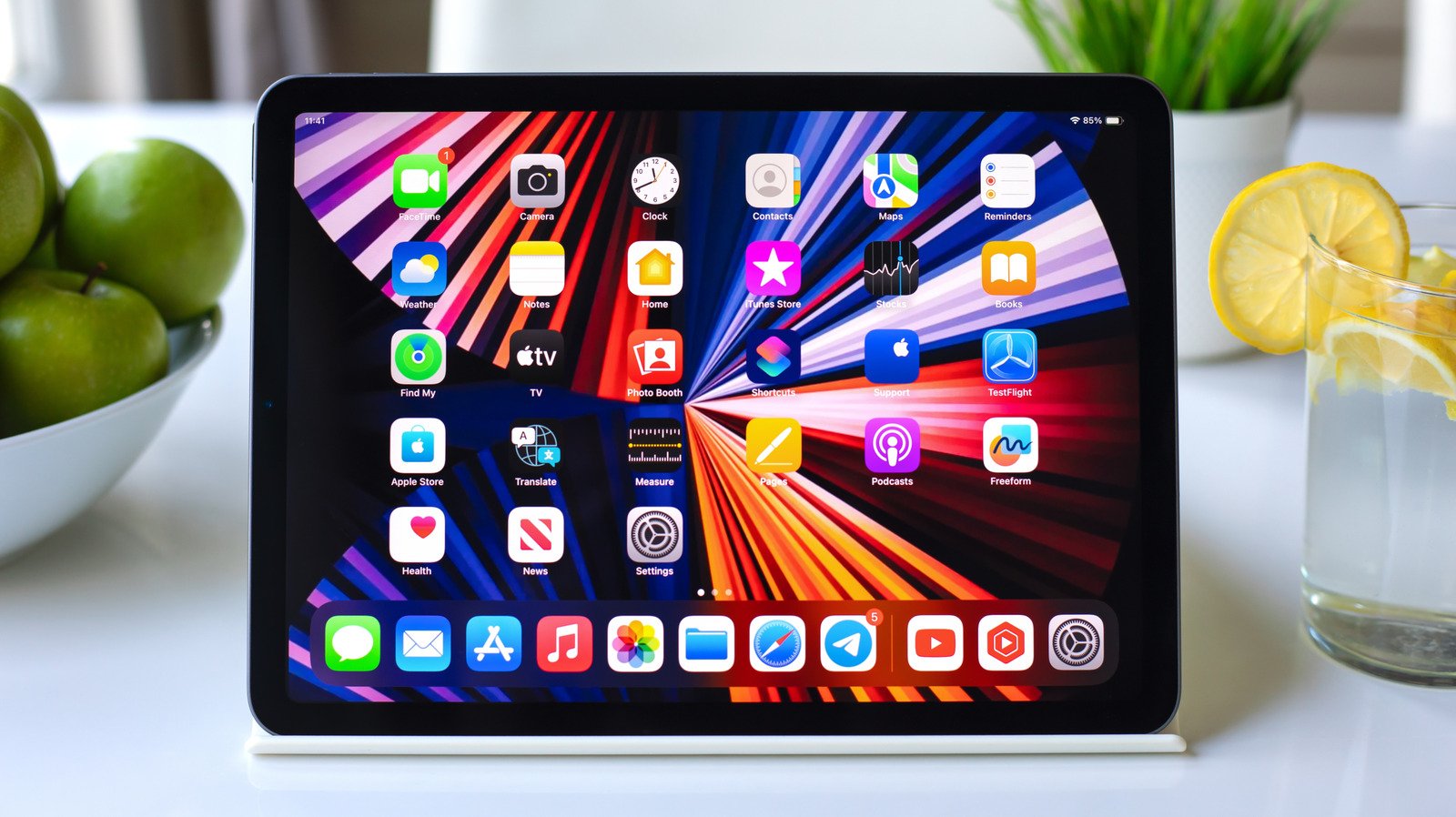








Following the recent launch of the iPad mini featuring OLED display technology, Apple is reportedly preparing a comprehensive refresh of its broader tablet lineup. Scheduled for the first half of the upcoming year, these updates aim to unify the iPad family under more advanced hardware standards, particularly regarding display quality and processing capabilities. Industry reports indicate that the iPad Air, the base-model iPad, and the flagship iPad Pro are all slated for significant internal upgrades.
Evolution of the iPad Air
The upcoming iPad Air is expected to adopt OLED display technology, bringing the visual benefits of deeper blacks and higher contrast ratios to the mid-range lineup. While the device will likely maintain a 60Hz refresh rate to differentiate it from the Pro tier, the shift to OLED represents a major milestone for a product line that has not seen a substantial hardware overhaul since 2020.
Regarding authentication, the device is expected to retain Touch ID integrated into the power button rather than transitioning to Face ID. Under the hood, a transition from the current M4 architecture to the M5 chipset is projected. This move suggests a focus on sustained performance for productivity applications. Industry estimates suggest this model will carry a higher price point, with the base 11-inch configuration expected to land in the $799 to $899 range, reflecting the cost of the new display panel.
Enhancements for the Base iPad
The entry-level iPad, which serves as the gateway to the Apple tablet ecosystem, is set for its first update since early 2025. This iteration focuses on performance and intelligence-driven workflows. By incorporating the A19 chip and increasing the memory to 8GB of RAM, the hardware will finally meet the necessary specifications to run Apple Intelligence features locally.
Beyond general processing power, the device is expected to feature a new N1 chip and the C1X modem. These components are designed to provide improved networking performance, ensuring lower latency and more stable wireless connections for educational and home-office environments. While there are currently no indications of significant chassis or display design changes, the update will likely introduce new color variants to maintain aesthetic appeal for the consumer market.
Advancements in the iPad Pro
The flagship iPad Pro is heading toward a more thermal-conscious design. Reports suggest the inclusion of a vapor chamber, a technology Apple successfully integrated into its recent high-end iPhone models to manage heat during intensive tasks. This addition is critical for maintaining performance consistency when users engage in video rendering, 3D modeling, or complex software development.
The internal processing hardware is anticipated to jump to either an M6 or M7 chipset. As the product approaches its third anniversary since its last major design revision, pressure is mounting for Apple to introduce more substantial user-facing features to justify its starting prices of $1,199 for the 11-inch model and $1,499 for the 13-inch version. While the technical specifications point toward a robust iterative update, market analysts are closely watching for any unique features that might distinguish this release from its predecessors.
Strategic Impact and Industry Context
These upcoming updates highlight a concerted effort by Apple to ensure that its entire tablet lineup supports artificial intelligence software. By standardizing memory and chipset performance across the tiers—from the base model to the Pro—the company is positioning its tablets as more than just media consumption devices. The hardware transition to OLED across the upper tiers also signals a shift in manufacturing priorities, moving away from legacy LCD panels in favor of more power-efficient, vibrant, and high-fidelity displays.
Furthermore, the introduction of advanced networking components like the C1X modem in the base model suggests that Apple is addressing connectivity bottlenecks that have previously hindered the iPad’s role in professional environments. As these products enter the market, the technical focus remains on building a cohesive ecosystem where hardware capabilities are fully leveraged by the software, regardless of the user’s entry point into the tablet range.
Future Outlook for the Tablet Ecosystem
The rapid adoption of internal hardware upgrades such as the M-series and A-series chips creates a tiered performance hierarchy that keeps the iPad competitive against high-end laptops and convertible devices. By providing the base model with the necessary RAM and processing headroom for modern AI features, Apple is extending the lifecycle of its most affordable tablet, potentially increasing the total addressable market for its service-based intelligence platform.
As the industry moves into the first half of the next year, these updates will likely serve as the new standard for mobile computing power. Whether consumers are seeking the portability of the updated Air or the thermal capacity of the Pro, the alignment of these hardware specifications ensures that users can expect consistent performance across the entire iPad catalog.
Disclaimer: This content is auto-generated for informational purposes only.
Source: Read Original News