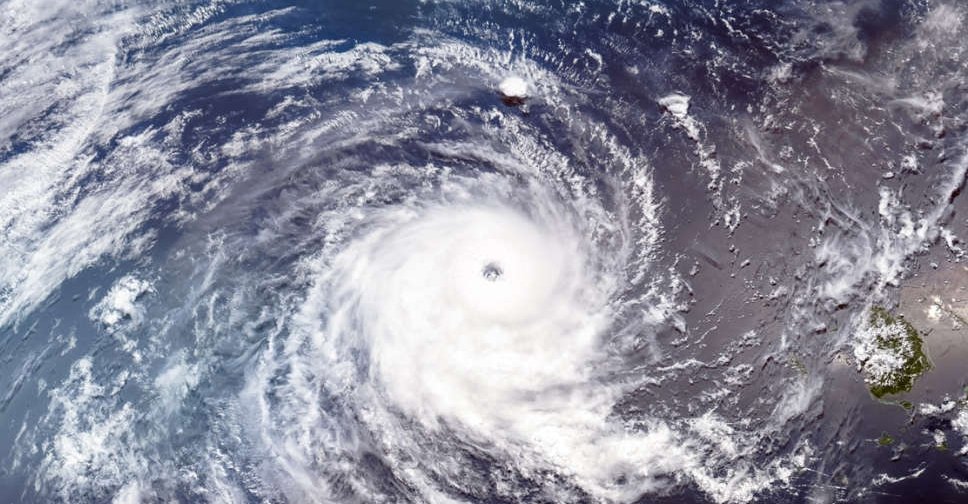









Andhra Pradesh and Tamil Nadu on High Alert as Cyclone Murasu Approaches
Authorities in India have launched a massive preemptive evacuation operation along the southeastern coast as the region braces for the imminent arrival of Cyclone Murasu. As the storm gains strength over the Bay of Bengal, disaster management teams are working against the clock to move tens of thousands of residents out of harm’s way, aiming to minimize the potential for loss of life and property.
Large-Scale Evacuation Underway
According to state officials, the evacuation process is currently in full swing. Prakhar Jain, the managing director of the Andhra Pradesh State Disaster Management Authority, confirmed that approximately 2,000 residents have already been successfully moved to safer ground. However, this is only the beginning of a much larger mobilization effort. Authorities have identified roughly 30,000 people living in vulnerable low-lying areas who must be relocated before the storm makes its expected landfall early Tuesday morning.
Emergency personnel are being deployed across coastal districts to assist in the transit of families and their belongings to temporary shelters. The state government has signaled that all necessary resources are being mobilized to ensure that these evacuation centers are equipped with basic necessities, including food, clean water, and medical supplies.
Weather Forecast and Regional Impact
Cyclone Murasu, which developed over the Bay of Bengal, is currently tracking toward the southeastern coast of India. The India Meteorological Department (IMD) has issued warnings specifically for the states of Tamil Nadu and Andhra Pradesh, which are expected to bear the brunt of the heavy rainfall and high-velocity winds associated with the system.
Meteorologists are closely monitoring the trajectory of the storm. While the current projections indicate that Murasu may be slightly less intense than its predecessor, officials are refusing to take any chances. The region is still reeling from the aftermath of Cyclone Arnab, which struck just one week ago. That storm left a trail of destruction, claiming six lives and causing significant damage to residential properties and vital agricultural crops.
Lessons from Past Disasters
The rapid response to Cyclone Murasu reflects a more proactive stance taken by Indian disaster management agencies in recent years. By prioritizing early evacuations, the government aims to avoid the tragic outcomes witnessed during the previous week. The memory of Cyclone Arnab’s impact serves as a stark reminder of the volatility of weather patterns in the Bay of Bengal, which remains one of the world’s most active regions for tropical cyclones.
Local authorities have urged citizens to stay tuned to official government channels for real-time updates and to follow instructions from local law enforcement and disaster relief squads. As the hours tick down toward the anticipated landfall, the coastal communities of Andhra Pradesh and Tamil Nadu remain in a state of high alert, hoping that the rigorous preparations currently in place will be sufficient to withstand the force of the approaching cyclone.
With the storm’s trajectory potentially shifting, the IMD continues to analyze satellite imagery and atmospheric conditions to provide the most accurate forecast, ensuring that all evacuation efforts are focused on the most critical impact zones.
Disclaimer: This content is auto-generated for informational purposes only.
Source: Read Original News