


[CITY/REGION], [DATE] –
Rewilding Urban Wetlands: A Summer of Scrapes Promises Biodiversity and Flood Resilience
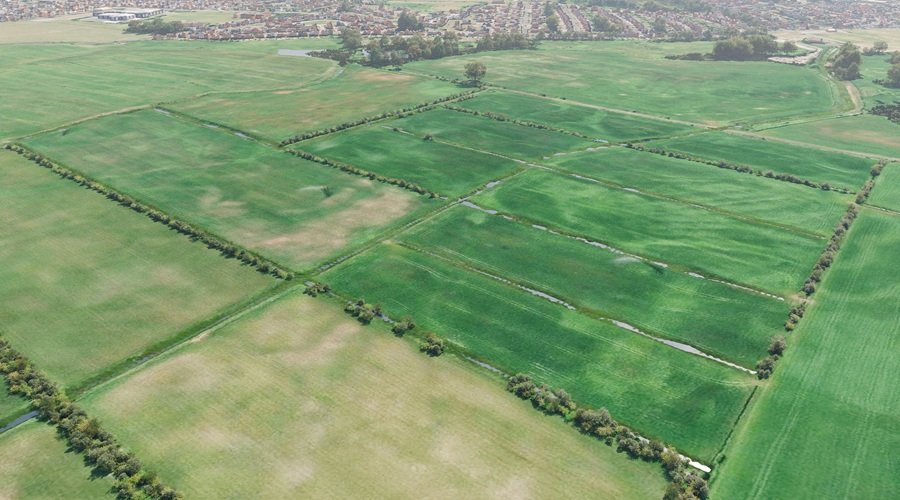
A transformative ecological restoration project is underway this summer, aiming to revitalize urban landscapes through the strategic creation of wetland features known as “scrapes.” This initiative promises not only to bolster local biodiversity but also to introduce crucial flood risk mitigation and climate resilience benefits to the area.
The intensive landscaping work, meticulously planned throughout the summer months, is designed to prepare the ground for these newly fashioned scrapes and ditches. The timing is critical; come autumn, these features are expected to fill naturally with water, creating vital roosting habitats just in time for the arrival of migratory wading birds. Species such as the majestic Black-tailed Godwit, which typically utilize these areas throughout the late autumn and winter, will find a newly prepared haven.
Beyond the winter roosts, the longevity of these water-filled scrapes is a key objective. They are engineered to retain water into the following spring, an essential condition for encouraging ground-nesting waders, including the charismatic Lapwing, to breed on the site. This carefully orchestrated cycle aims to establish a self-sustaining wetland ecosystem that supports multiple life stages of these vulnerable bird populations.
Mimicking Nature for Multifaceted Benefits
At their core, these scrapes are ingeniously simple yet profoundly impactful. They are shallow depressions designed to authentically mimic natural topographical features, mirroring the transient nature of wetlands found in undisturbed environments. These naturalistic hollows are intended to hold water during the wetter winter months, gradually drying out over the course of spring and summer. This hydrological rhythm is crucial for the myriad of flora and fauna that depend on such fluctuating water levels.
The recreation of this wetland habitat extends its advantages far beyond ecological restoration. A primary driver of the project is its significant contribution to reducing flood risk within the surrounding urban environment. By enhancing a natural process that historically occurred on the land, these scrapes will act as natural sponges, absorbing excess rainfall and slowing down water flow, thereby protecting built infrastructure and communities downstream.
The benefits of wetland creation are remarkably broad, encompassing several critical environmental challenges. Wetlands are renowned for their capacity in carbon storage, effectively sequestering atmospheric carbon dioxide and contributing to climate change mitigation. Furthermore, they serve as natural purification systems, diligently filtering pollutants from the water as it passes through their complex ecosystems. In an era of escalating climate concerns, these revived wetlands are also set to improve landscape resilience during periods of hot weather, acting as cooling oases and maintaining local microclimates.
A Dire Need for Restoration
According to data from the Joint Nature Conservation Committee (JNCC), the United Kingdom has witnessed a staggering loss: more than 90% of its wetland habitat has vanished in the last century. This alarming statistic underscores the critical importance of projects like the current initiative. Such efforts are not merely isolated conservation acts but vital components in a broader strategy to restore the natural balance of water in our environment, rehabilitate natural habitats, and significantly increase biodiversity, particularly within increasingly urbanized areas.
Jack Helsby, the Senior Living Landscape Officer leading on the project, commented: “The work we’re undertaking this summer is foundational for a healthier, more resilient future. We’re not just digging ditches; we’re recreating vital ecosystems that will welcome back iconic bird species, naturally manage water, and provide cleaner air and water for everyone. It’s a testament to how intelligent, nature-based solutions can address complex environmental challenges.”
The project represents a proactive and nature-led approach to environmental management, demonstrating how targeted interventions can yield substantial ecological and societal returns. As the summer progresses, anticipation builds for the first autumnal rains, heralding a new chapter for the local landscape and its diverse inhabitants.