



World Cup Aspirations Under Scrutiny After Bowling Collapse
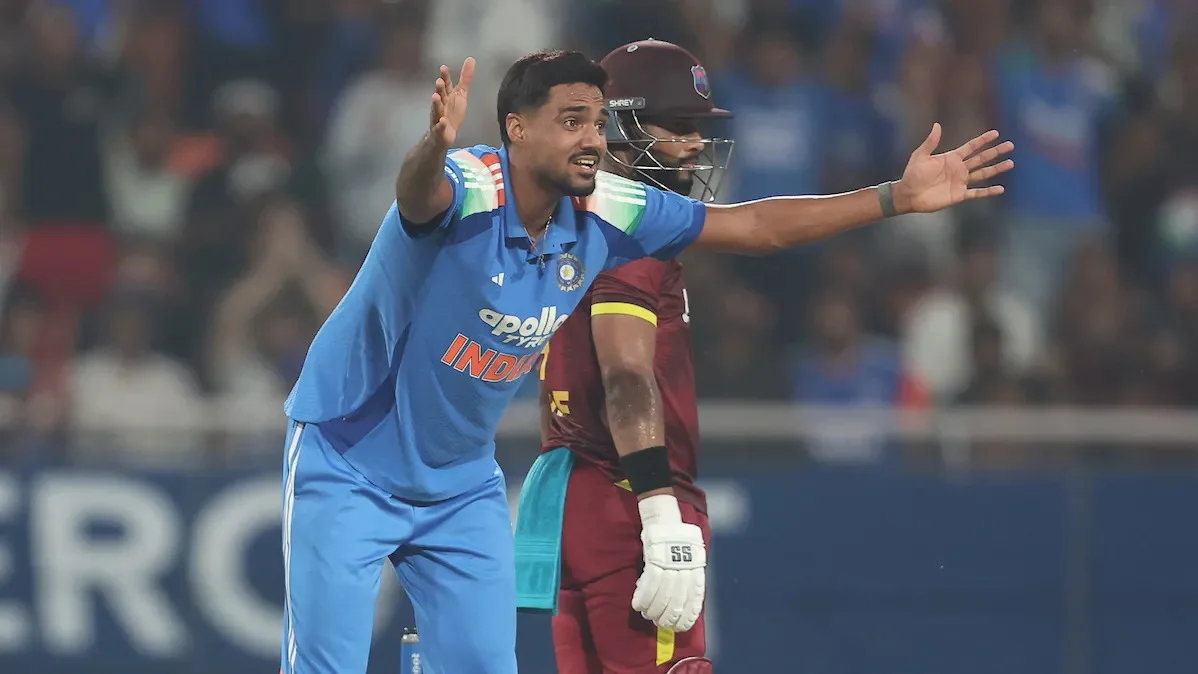
Former Indian cricketing great Kris Srikkanth has delivered a searing assessment of the national side’s bowling unit following their underwhelming performance against the West Indies in the recently concluded ODI series. Despite securing a 2-1 series victory, the Indian bowlers were frequently put to the sword, culminating in a dramatic loss in the third ODI at New Chandigarh where the tourists successfully chased down a formidable target of 352.
Shai Hope’s magnificent unbeaten 162 served as the centerpiece of a record-breaking chase, highlighting significant vulnerabilities in the home team’s attack. Srikkanth, reflecting on the series, did not mince words, suggesting that with the current bowling depth, the prospects of reclaiming the World Cup in 2027 appear bleak.
Questionable Tactics and Personnel Decisions
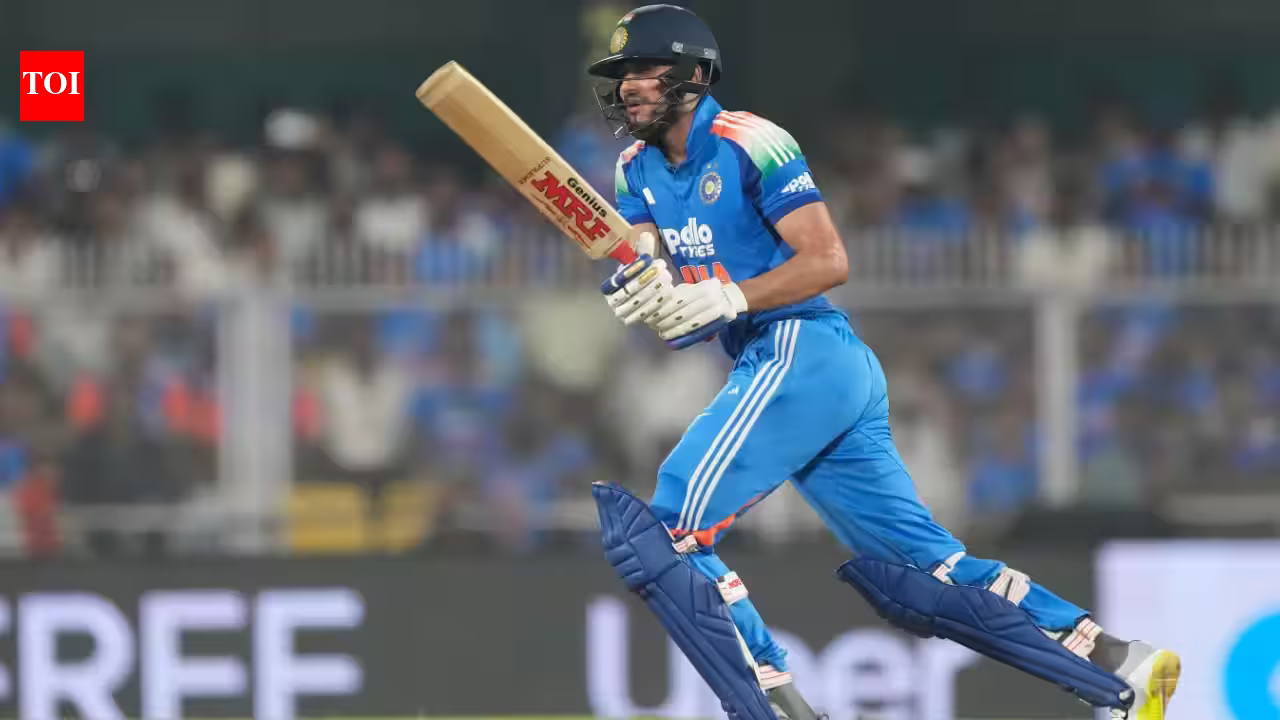
The criticism centered largely on the tactical execution and the experimentation with unproven talent. Srikkanth expressed bewilderment regarding captain Shubman Gill’s decision-making in the final overs, particularly the handling of strike bowler Mohammed Siraj.
“The Indian bowling overall appears quite pedestrian,” Srikkanth remarked on his YouTube channel, Cheeky Cheeka. He pointedly questioned the logic behind utilizing less experienced players like Gurnoor Brar and Anshul Kamboj during high-pressure death overs, noting that the duo conceded 146 runs across 18.1 overs while managing a solitary wicket. For Srikkanth, the insistence on fast-tracking these prospects at the expense of established tactical discipline suggests a lack of a coherent long-term strategy.
The All-Rounder Dilemma
Beyond the specialized bowlers, Srikkanth also trained his sights on the ongoing search for a reliable seam-bowling all-rounder, specifically challenging the inclusion of Nitish Kumar Reddy. The 23-year-old struggled significantly in the final fixture, managing only 9 runs off 16 deliveries and returning expensive figures of 0/50 from his 6.5 overs.
Srikkanth argued that Reddy’s technical deficiencies, particularly against bounce, combined with his underwhelming statistical output—averaging over 91 with the ball across eight ODIs—render his current role in the squad difficult to justify. He warned that the team management’s persistence with the youngster, in the absence of Hardik Pandya, is a worrying trend that reflects poorly on the current state of Indian cricket’s developmental pipeline.
A Reality Check Before 2027
While some might argue that Srikkanth’s assessment is overly harsh, given the absence of frontline stars like Jasprit Bumrah, the underlying concerns are statistically valid. Allowing totals of 295, 405, and 352 in a single series points to a systemic fragility.
The reliance on a batting-heavy approach to compensate for bowling inconsistencies is a dangerous gambit in international tournaments. As India looks toward the next World Cup cycle, this series serves as a stark warning: while experimentation is necessary, the lack of quality depth beyond the primary starters is a chasm that needs immediate attention. If India is to remain a dominant force on the global stage, the selectors must bridge the gap between their top-tier talent and the emerging crop, ensuring that the second string is capable of defending even the most imposing totals.
Disclaimer: This content is auto-generated for informational purposes only.
Source: Read Original News