








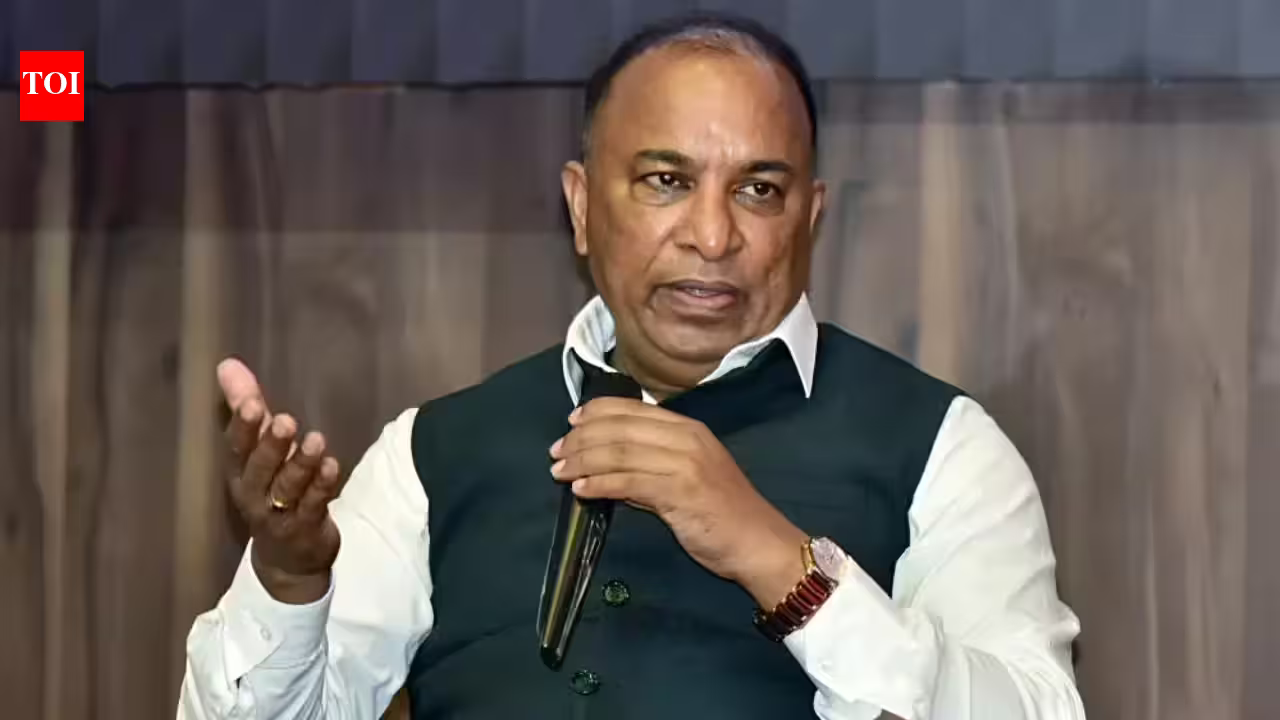
EXPANSION is on the horizon for the Women’s Premier League (WPL), as the Board of Control for Cricket in India (BCCI) signals a potential increase in the number of franchises as early as next year. Following the conclusion of the WPL 2027 auction in Kochi, BCCI secretary Devajit Saikia has publicly acknowledged that the current five-team structure is no longer sufficient to accommodate the rapidly expanding talent pool of female cricketers in India.
The WPL, which first launched in 2023, has become a cornerstone of the global women’s cricket calendar. With the 2027 season locked in to run from January 14 to February 7, the board is already looking toward the future, recognizing that the league’s success has created a surplus of talent that requires a larger stage to flourish.
Addressing the Talent Surplus
The driving force behind the BCCI’s decision to pursue expansion is the sheer volume of high-quality players left on the sidelines during the recent auction. According to Saikia, the supply chain of talent significantly outweighs the current roster limits of the five participating franchises.
“There are about 150 players who are in the fray here and hardly 27 we had to take, but still so many players were left out,” Saikia stated in comments provided to the news agency IANS. “So, we can very easily see that five teams are really less compared to the supply chain of girls’ cricketers.”
For a league designed to serve as the premier developmental and professional platform for women’s cricket in India, the exclusion of such a high number of capable players represents a bottleneck that the BCCI is eager to address. Saikia confirmed that the board is preparing for comprehensive brainstorming sessions to determine how to integrate new teams, expand player budgets, and optimize the overall ecosystem. The proposed growth would not only involve adding one or two new franchises but would also ripple outward to benefit the entire support structure, including coaches, selectors, and grassroots stakeholders.
Fostering the Next Generation
The league’s mandate has always been the discovery and cultivation of domestic talent, and the 2027 auction served as a poignant reminder of this objective. A highlight of the proceedings was the Delhi Capitals’ acquisition of 15-year-old uncapped all-rounder Uma Kashvi for Rs 10 lakh.
For the BCCI, seeing a teenager secure a spot in a franchise setup is the ultimate validation of the WPL’s impact. “I am very happy that a young girl of 15 years got an opportunity to play in the WPL,” Saikia remarked. “That is a success. We want to bring maximum women cricketers to play and be a part of this success story in Indian women’s cricket.”
This focus on youth is emblematic of the league’s broader mission. By providing young players with access to world-class coaching, professional training, and high-pressure match environments alongside international stars, the WPL is effectively bridging the gap between domestic regional cricket and the rigors of the international game.
The “WPL Effect” on the Global Stage
Beyond the domestic impact, the BCCI believes the WPL has been the primary catalyst for India’s rise to dominance on the global stage. Saikia pointed directly to the national team’s recent ODI World Cup victory as proof of the league’s efficacy.
“We are the present champions in the world, and that shows the expansion this WPL has given all across the country so far as women’s cricket is concerned,” Saikia said. By exposing Indian players to the franchise format, the WPL has fostered a deeper tactical understanding, increased fitness standards, and instilled a professional mindset that has translated directly into silverware for the national team.
Comparing the WPL to the world’s elite sporting properties, Saikia underscored its status as a premier league. “You see, WPL is one of the big leagues in the world of franchise cricket after the IPL.” This stature places the league in a unique position where it must balance its status as a commercial powerhouse with its foundational duty to serve as a growth engine for women’s cricket.
A Future of Growth and Stability
As the board prepares for the upcoming 2027 season, the mood at the BCCI remains one of optimism and forward-thinking. Saikia’s emphasis on “brainstorming sessions” suggests that the BCCI is not looking for a rushed expansion, but rather a sustainable one that benefits the longevity of the players and the health of the franchises involved.
The promise of more teams, increased salary caps, and a broader reach across India signals a significant shift in the landscape of women’s sports. If the BCCI successfully navigates the logistical challenges of adding new teams, the WPL could soon become an even larger juggernaut, effectively cementing India’s role as the primary hub of women’s cricket.
For the players left out of the 2027 auction, the message from the BCCI is clear: the opportunity you are training for is coming, and the league is working to ensure that the gates of professional cricket are thrown open wider than ever before. With the WPL continuing to grow “from leaps and bounds,” the coming years promise to be an era of unprecedented opportunity for female athletes across the nation.
Disclaimer: This content is auto-generated for informational purposes only.
Source: Read Original News