








Pixel 11 Boasts Stronger Magnets, Elevating the Pixelsnap Experience
Mountain View, CA – August 19, 2026 – Google’s innovative Pixelsnap feature, designed to enhance the versatility of Pixel phones with magnetic accessories, has received a significant upgrade with the release of the Pixel 11 series. While Pixelsnap was a welcome addition in previous iterations, early adopters noted room for improvement in magnet strength. This year, Google has addressed those concerns head-on, delivering a more robust and reliable magnetic connection that significantly enhances the user experience.
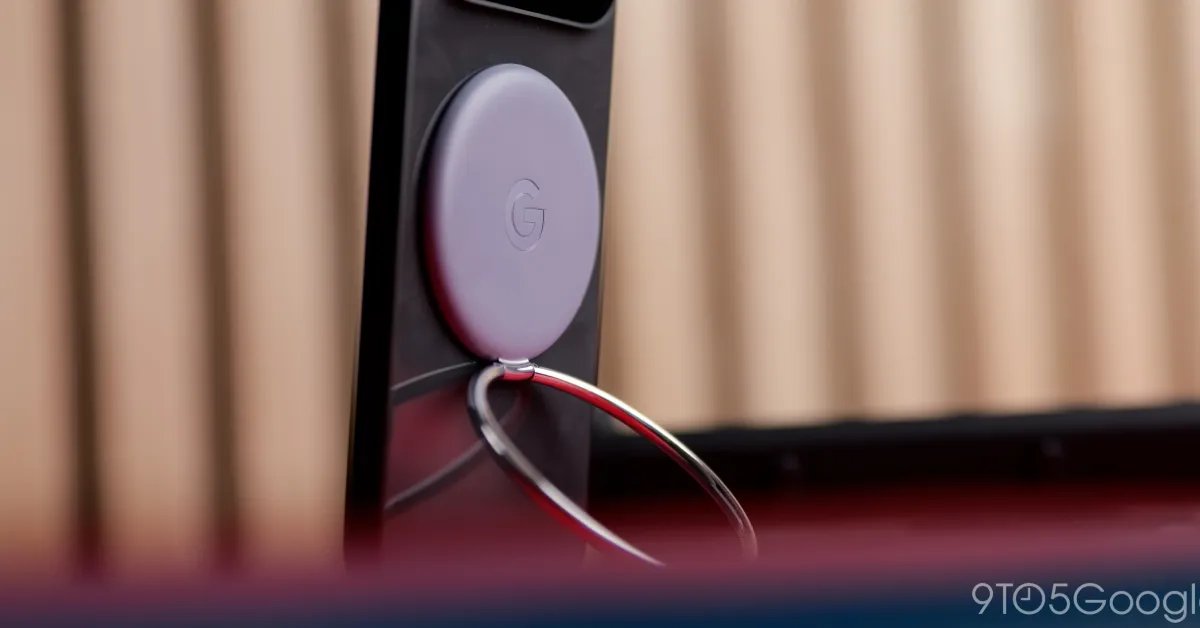
According to initial testing, the magnets in the Pixel 11 are now notably stronger, bridging the gap with Apple’s established MagSafe technology. This enhancement means accessories like the Pixelsnap kickstand attach more securely to the back of the phone, reducing the likelihood of accidental detachment and improving the overall stability of paired accessories.
"In my testing, the magnets this year are just below the strength of the MagSafe connection on an iPhone," stated a reviewer. "Things will connect more securely to the back of your phone, so you’re less likely to knock things off or encounter issues with any other accessories you might want to pair with the Pixel 11."
A quick demonstration highlights the tangible difference: removing a Pixelsnap kickstand from the Pixel 11 requires a more deliberate effort compared to its predecessor, the Pixel 10. While a single finger could often pry off accessories from the Pixel 10, the Pixel 11 demands active intent, indicating a substantially firmer grip. This improved magnetic strength is further amplified when connecting accessories that themselves boast strong magnets, bringing the connection closer to the highly regarded MagSafe standard.
The adoption of Qi2 magnetic charging and accessory attachment technology is a slow burn across the Android landscape. While Google has been a proactive implementer, alongside HMD (known for Nokia devices) and Motorola with their Edge 70 Max, many other prominent manufacturers, including Samsung, have opted for a less integrated approach, relying on external cases to provide magnetic functionality. This strategy, while functional, is seen by some as a missed opportunity for a more seamless and intuitive user experience.
"It’s hard to quantify without trying it out for yourself. You can sort of see in the quick demo below how there is a little extra force needed to pry the Pixelsnap kickstand from the back of the Pixel 11 over the Pixel 10," the reviewer observed. "It takes less pressure from a single finger on the Pixel 10, whereas you need to actively try to remove it on the Pixel 11."
Google’s continued commitment to Pixelsnap, particularly with these magnet improvements, positions the Pixel series as a leader in integrated magnetic accessory support within the Android ecosystem. This strengthens the argument for a native magnetic solution, especially for users who prefer to use their phones without a case, enjoying the device’s original design and feel. The enhanced magnetic grip on the Pixel 11 translates to less reliance on bulky cases for accessory attachment, offering a more streamlined and aesthetically pleasing user experience.
As the industry slowly progresses towards wider Qi2 adoption, Google’s proactive stance with the Pixel 11’s stronger magnets sets a high bar and provides a tangible benefit for consumers seeking enhanced functionality and convenience from their smartphones.