





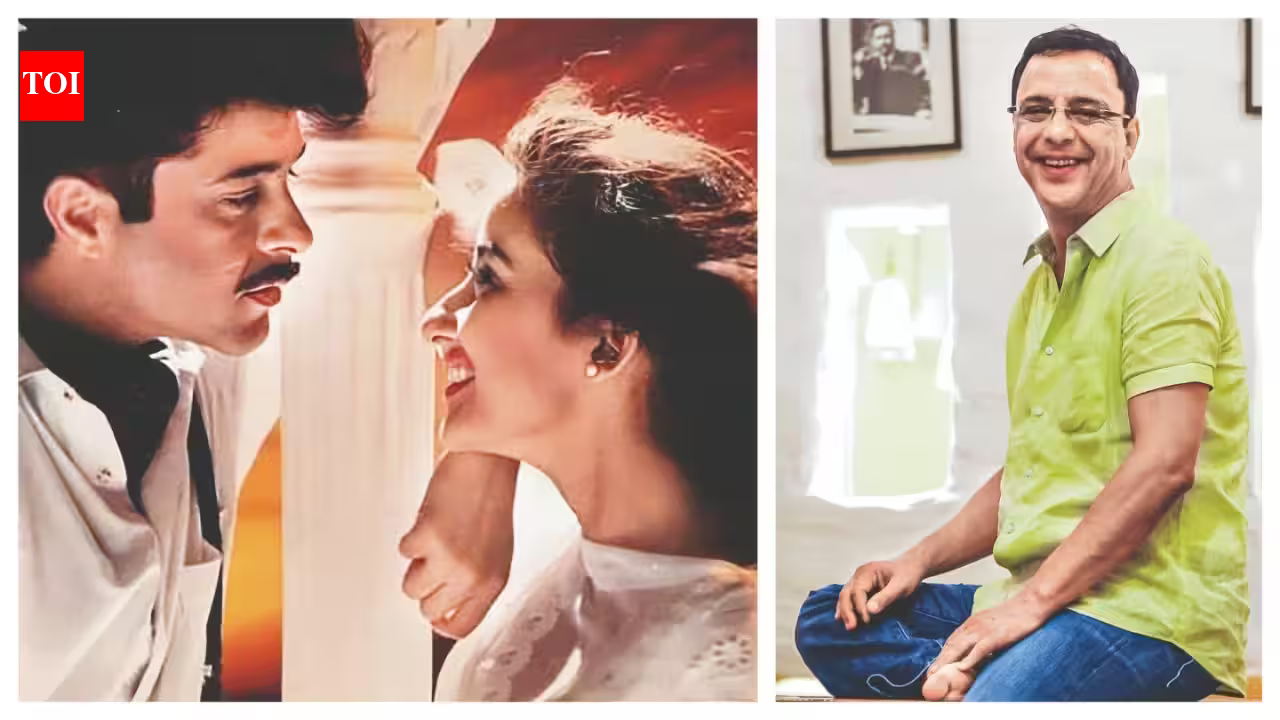
Vidhu Vinod Chopra’s iconic film, 1942: A Love Story, a poignant narrative set against the backdrop of India’s independence movement, is making a triumphant return to the silver screen on August 21st, 32 years after its initial release. This re-release celebrates its enduring impact, a testament to its timeless storytelling, tender romance, and the unforgettable soundtrack crafted by the legendary R.D. Burman and Javed Akhtar. Ahead of this special event, director Vidhu Vinod Chopra, along with lead actors Anil Kapoor, Manisha Koirala, and Jackie Shroff, shared their reflections on the film’s lasting appeal in an exclusive interview with Bombay Times. Niharika Bijli, Lead Strategist at PVR INOX, expressed her enthusiasm, stating, “We are delighted to re-release 1942: A Love Story, a film that remains one of the defining musical and cinematic landmarks in Indian cinema.”
The film, a love story woven into the fabric of India’s freedom struggle, prompts reflection on how the concept of freedom has been portrayed in cinema over the years. Vidhu Vinod Chopra emphasized the allure of a period romance, highlighting its inherent softness and simplicity. He referenced a key dialogue from the film: “Saare desh mein aag lagi hai, aur tumko pyaar ki suji hai!” to which the powerful retort is, “Agar saari duniya pyaar kare toh duniya jale hi kyon?”. Chopra profoundly believes in this philosophy of choosing love over hatred. He acknowledged that while the theme of freedom has consistently resonated in Indian films, he particularly misses the raw interpretations seen in earlier works like Haqeeqat (1964) and Dilip Kumar’s Naya Daur and Ganga Jumna, which delved into not just freedom but also social divides like caste. He observed that the understanding of freedom naturally evolves with each generation, particularly for those who haven’t directly experienced the struggles of the past. He noted how his own films, including 3 Idiots, Ek Ladki Ko Dekha Toh Aisa Laga, and 12th Fail, have explored what freedom means to the youth of different eras.
The casting of Manisha Koirala and Anil Kapoor, a pairing that created cinematic magic, was a challenging process. Chopra revealed that he auditioned numerous actors for the roles of Naren and Rajjo but found none truly convincing. He eventually confided in Anil Kapoor, who initially hesitated due to the youthful nature of the romantic lead, a departure from his established roles. Kapoor requested six months to prepare, which Chopra readily granted. Manisha Koirala’s audition left a lasting impression on the director, particularly her remarkable transformation between the film’s two halves. He ultimately credited the sincerity of both actors for making them the perfect choice. Manisha Koirala, reflecting on her experience, praised Anil Kapoor’s dedication and energy, highlighting his spontaneity, generosity, and complete presence in every scene. Their rehearsals, conversations, and shared laughter fostered an ease that translated beautifully onto the screen, a chemistry still fondly remembered by audiences.
Anil Kapoor himself admitted to initial apprehensions about taking on the role. At that stage in his career, already a father of three, he questioned his ability to portray such a young romantic lead. He recalled the rise of Shah Rukh Khan and Aamir Khan, and the entry of Bobby Deol, suggesting other actors to Chopra. However, Chopra’s late elder brother, Veer ji, strongly advocated for Kapoor, ultimately convincing him. The irresistible music of R.D. Burman also played a significant role in his decision. Once committed, Kapoor underwent a complete physical and internal transformation, losing weight and cutting his hair, but most importantly, striving for the emotional honesty that Chopra demanded. This demanding yet incredibly rewarding process shaped his performance.
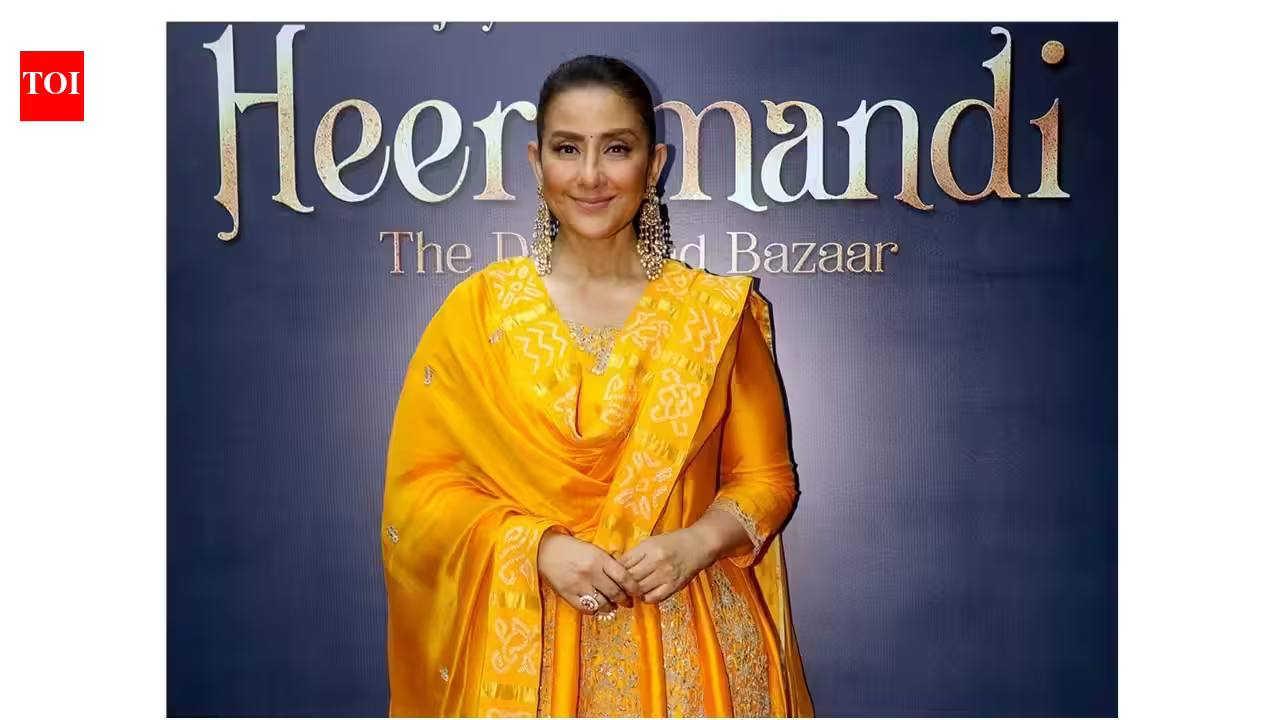
Manisha Koirala’s portrayal of natural beauty and simplicity became iconic. Reflecting on her understanding of beauty over time, she noted that in her youth, it was largely external – focusing on appearance. However, life’s experiences have taught her that true beauty lies in carrying one’s experiences, compassion, courage, and even scars. She observed that cinema has become more inclusive, allowing individuals to be authentic rather than conforming to rigid molds. Chopra further elaborated on Koirala’s commitment, revealing that even before casting, she had already stopped shaping her eyebrows to align with the 1940s aesthetic. Her makeup-free auditions further underscored her dedication to the role, with almost 80% of her screen time featuring her without makeup. Jackie Shroff described Manisha as possessing an "ethereal beauty," a rare and almost otherworldly quality he observed working with her in multiple films.
The film’s soundtrack, a collaboration between the legendary R.D. Burman and lyricist Javed Akhtar, is widely considered one of the greatest in Hindi cinema history. Chopra emphasized that Burman, affectionately known as Panchamda, was always his first and only choice, despite his professional struggles in the decade preceding the film. Having previously worked with him on Parinda, Chopra admired his musical genius. However, he observed a changed Panchamda when they began 1942. Chopra recounted a pivotal moment when Burman’s initial composition for "Kuch Na Kaho" sounded generic. Chopra’s blunt feedback, threatening to part ways, spurred Burman to ask for a week. Upon his return, Burman played the revised melody on his harmonium, and Chopra’s hands instinctively rose in appreciation. From that moment, their collaboration was a dream, resulting in an album that remains a personal favorite for Chopra. Anil Kapoor echoed this sentiment, calling the music the "soul" of 1942: A Love Story, a timeless collection that continues to introduce new generations to the film.
The enduring legacy of 1942: A Love Story lies in its ability to inspire, provoke, and resonate with audiences. Chopra explained that the film aimed to tell a simple love story against the monumental backdrop of the Quit India Movement, exploring how ordinary people participated in such a significant historical event. He believed there were countless untold stories of this nature, and he sought to bring some to light in a unique way. However, he humbly admitted that the film’s greatest legacy, unexpectedly, has been its music, which, 32 years later, remains a vital part of popular culture. Anil Kapoor asserted that it’s not nostalgia, but emotional truth that keeps a film alive. He praised Vidhu Vinod Chopra for creating a world where love was pure, dignified, and deeply emotional. Kapoor also highlighted Chopra’s collaborative approach, valuing the contributions of every department, from Sanjay Leela Bhansali’s vision for the songs to Binod Pradhan’s cinematography, Renu Saluja’s editing, and Nitin Desai’s incredible set designs. This collective brilliance, he believes, made the film truly special. Jackie Shroff, who had previously found critical acclaim in Chopra’s Parinda, spoke of the director’s ability to cast him in diverse and unconventional roles, from a patriot-revolutionary in 1942 to a terrorist in Mission Kashmir, demonstrating Chopra’s flexibility and belief in an actor’s potential. He fondly remembered working alongside Anil Kapoor and Manisha Koirala, describing the experience as a treat.