







Women Lead Participation in New ‘Viksit Bharat’ Rural Employment Scheme
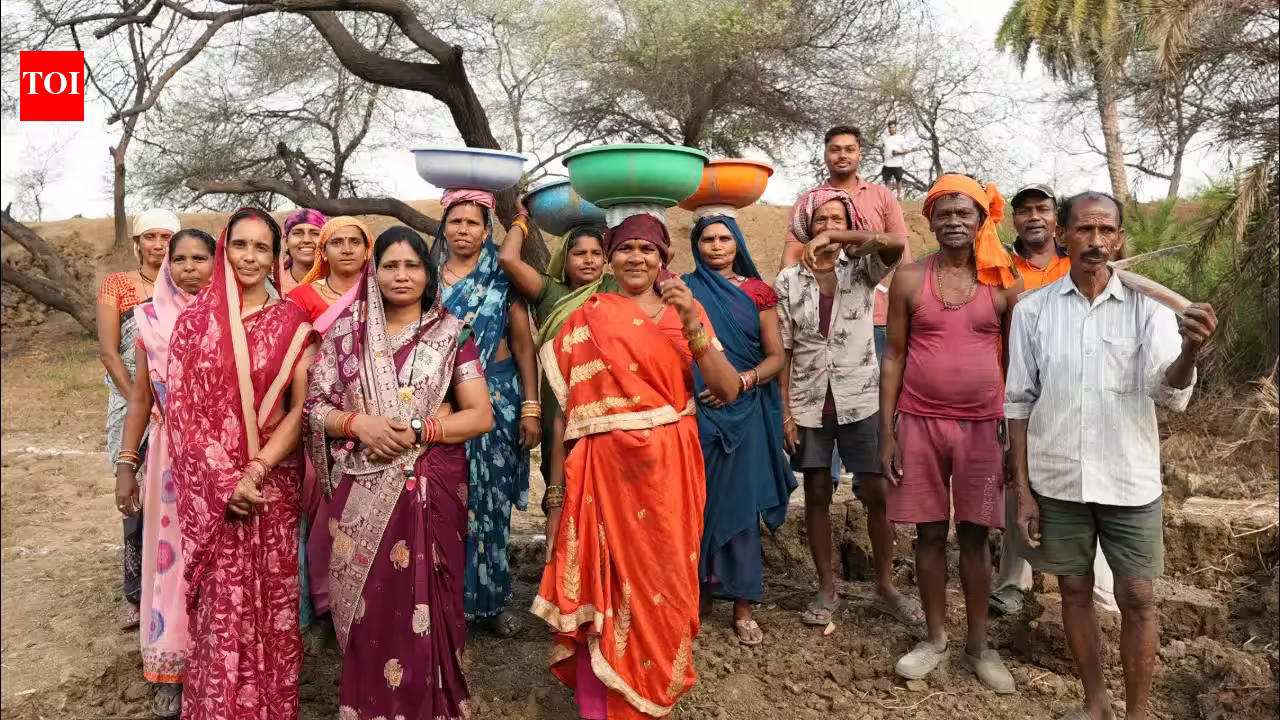
NEW DELHI: A significant shift in rural employment trends has emerged following the implementation of the Viksit Bharat-Guarantee for Rozgar and Aajeevika Mission (Gramin) Act (VB G RAM G Act), the successor to the long-standing MGNREGA. Official government data reveals that the scheme has generated over 11.4 crore person-days since its rollout on July 1, with women accounting for a commanding 61.5% of this total participation.
This surge in female engagement underscores the mission’s role as a vital pillar for rural livelihoods. While women’s participation in the previous MGNREGA framework also maintained a strong track record—consistently staying above 50% since 2013-14 and reaching a peak of 58.9% in 2023-24—the current figures suggest a sustained upward trajectory.
Addressing the Gender Gap
Experts and civil society organizations have long noted that women are increasingly becoming the primary beneficiaries of such government employment schemes. This trend is often attributed to the nature of the labor market, where men are more likely to pursue higher-paying, "open-market" agricultural or industrial wages that frequently outpace the statutory payouts mandated by public employment programs.
The Wage Debate: Reform vs. Reality
In conjunction with the launch of the VB G RAM G scheme, the government introduced a revised interim base wage rate of Rs 300 per day. According to official figures, the national average notified wage has seen a modest rise, climbing from Rs 298.8 under the old MGNREGA regime to Rs 327.4 under the new Act—an average increase of Rs 28.6 per day. This move was intended to provide relief to states where wages had previously languished as low as Rs 241 per day.
Despite these adjustments, the adequacy of current pay remains a point of contention. A parliamentary standing committee on rural development and panchayati raj, led by Congress MP Saptagiri Sankar Ulaka, recently issued a report expressing deep concern regarding existing wage structures.
Legislative Push for Higher Wages
The committee’s report has called for a comprehensive overhaul of how the government determines these wages. Specifically, the panel criticized the reliance on a 2011 base year, arguing that it fails to reflect modern economic realities. They also questioned the effectiveness of the Consumer Price Index for Agricultural Labourers (CPI-AL) in measuring the true cost of living in rural areas.
To address these disparities, the parliamentary panel has recommended:
- A Minimum Wage Floor: Establishing a base rate of Rs 400 per day.
- Regional Differentiation: Implementing adjustments based on specific regional economic conditions.
- Robust Indexation: Aligning wage adjustments with an inflation indicator that accurately mirrors the actual costs faced by rural households.
The committee has demanded that the Department of Rural Development provide an action-taken report on these recommendations within three months. As the government continues to promote the VB G RAM G scheme as a key driver of rural prosperity, the push for structural wage reform remains a critical hurdle in ensuring the economic security of India’s rural workforce.