






[
Karnataka Schools Opt for Education Over Closure Amid Cauvery Bandh
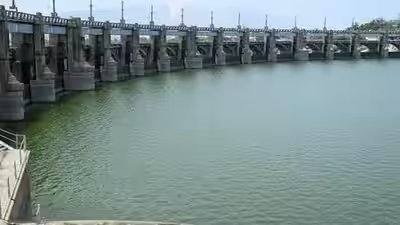
Bengaluru: The Karnataka Associated Managements of Schools (KAMS) has withdrawn its earlier advisory calling for schools to remain closed during the Cauvery bandh on August 13. The association has instead urged schools to remain open, while allowing staff to wear black ribbons and encouraging students to learn about the water dispute through balanced, factual and peaceful discussions.
Bengaluru: In a significant shift from its initial stance, the Karnataka Associated Managements of Schools (KAMS) has announced the withdrawal of its advisory for schools to remain closed on August 13, the day scheduled for the Cauvery bandh. Citing concerns over the loss of academic days, particularly for aided schools already grappling with teacher shortages and the extension of SIR work, KAMS has instead advocated for schools to remain operational, transforming a potential disruption into an educational opportunity.
While rescinding the closure call, KAMS affirmed its unwavering moral and peaceful support for Karnataka’s interests in the long-standing Cauvery water dispute. To symbolically express solidarity without impeding academic activities, the association has suggested that school managements, along with teaching and non-teaching staff, may wear a black ribbon or black strip on the day of the bandh.
Beyond a mere reversal of its closure advisory, KAMS has urged its member schools to leverage the bandh as a vital educational moment. The association recommends that students from Classes 5 to 12 be provided with age-appropriate and factual information regarding the Cauvery dispute during assembly or a dedicated class period. This initiative aims to foster a deeper understanding among young citizens about a critical issue affecting their state.
Key areas of discussion proposed by KAMS include the historical context and background of the dispute, Karnataka’s profound dependence on Cauvery water for drinking, agriculture, and livelihoods, the pervasive challenges posed by inadequate rainfall and water scarcity, and the fundamental reasons underpinning Karnataka’s concerns in the allocation debate.
Further enriching the educational agenda, KAMS suggests introducing students to fundamental principles such as the importance of constitutional processes, the role of judicial decisions, the necessity of cooperation between states, and the power of peaceful democratic expression. Additionally, emphasis is to be placed on the critical need for responsible water conservation and sustainable water management practices, instilling a sense of environmental stewardship from a young age.
In a unique proposal, KAMS has encouraged students to engage actively by writing a poster or a letter addressed to the Supreme Court or the relevant tribunal. These communications would articulate their plea for a fair distribution of Cauvery water, advocating for decisions based on critical factors like rainfall, drought conditions, and actual water availability, rather than generalized considerations.
Crucially, the association has underscored that all such educational programmes must maintain a peaceful, balanced, educational, and non-political character. KAMS firmly advises against compelling students to participate in protests or any activities that could potentially jeopardize their safety, emotional well-being, or regular academic journey.
Ultimately, KAMS has granted schools the discretion to assess the local safety situation and decide on a holiday if absolutely necessary. However, the association’s overarching message is clear: “Keeping schools open while educating young citizens about Karnataka’s water challenges is a more meaningful and responsible form of solidarity.”
In anticipation of the bandh, KAMS has also issued a fervent appeal to both the government authorities and protesting groups to prioritize and ensure the safety of school buses, students, and teachers throughout the duration of the event, thereby facilitating an uninterrupted and secure learning environment.