






Echoes of ’76: Drought’s Grip and Nature’s Resilience in the British Countryside
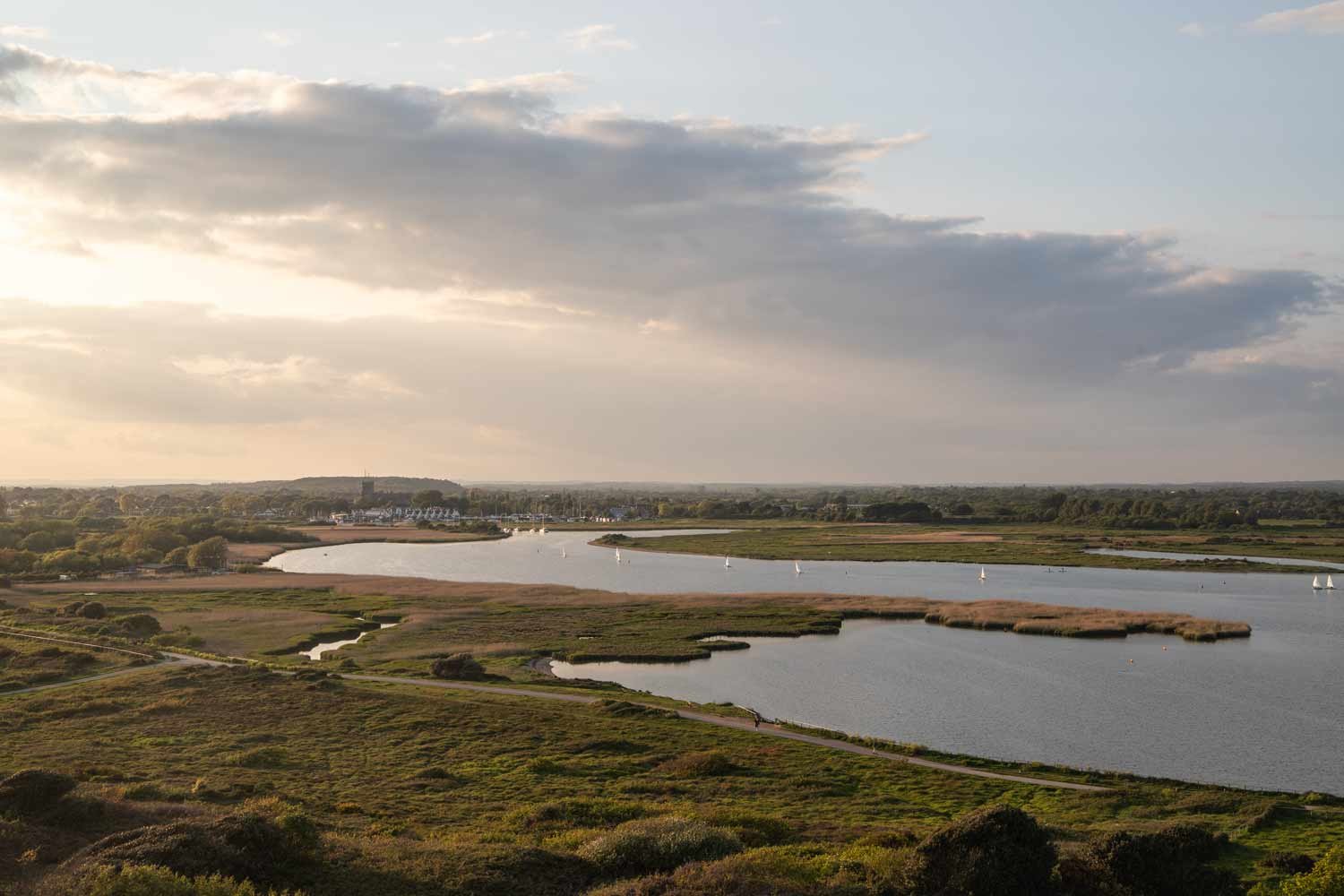
As a scorching summer gives way to an arid autumn, the British countryside is evoking unsettling memories of the infamous 1976 heatwave. The pervasive scent of parched earth and toasted vegetation hangs heavy in the air, transforming once verdant landscapes into a tapestry of straw-coloured fields and scorched meadows. This striking environmental shift is not merely a nostalgic echo; it presents a stark reality for local wildlife and poses a significant challenge to the region’s delicate ecosystems.
One observer vividly captured this sensory experience, noting the “toasted aroma of spent grass… everywhere – on crispy playing fields, straw village greens, and these scorched tawny meadows of the combe.” The impact on livestock is particularly poignant, with scattered groups of cattle seen with “their heads down,” struggling to find sustenance. The description likens their foraging to “consuming a Pot Noodle before the water is poured in,” painting a vivid picture of the unpalatable, dehydrated forage available to them.
Amidst this widespread desiccation, small pockets of resilience offer glimmers of hope. A “pocket oasis of comparative lushness” was discovered at the outflow of a hillside spring, described as a “blessing to a heifer’s eyes,” despite registering as little more than a seep. Such isolated havens become critical lifelines in times of extreme drought, highlighting the importance of even the smallest natural water sources.
The behaviour of the cattle themselves demonstrates an intuitive adaptation to the harsh conditions. During the fiercest period of the heatwave, they fashioned “a long awning on the riverbank” by “chomping the trees, twigs and all, up to a browse line,” seeking shelter under the makeshift canopy. While the alders initially survived this “first onslaught,” by mid-July, even these had been “stripped out.” This desperate foraging, combined with “cow licks tugged out the grass from below” and “hooves pounded the ground to bare earth,” vividly illustrates the extreme pressure on local vegetation and the long-term impact on soil health, evidenced by the “dried cowpat crust” that still marks the adjoining path.
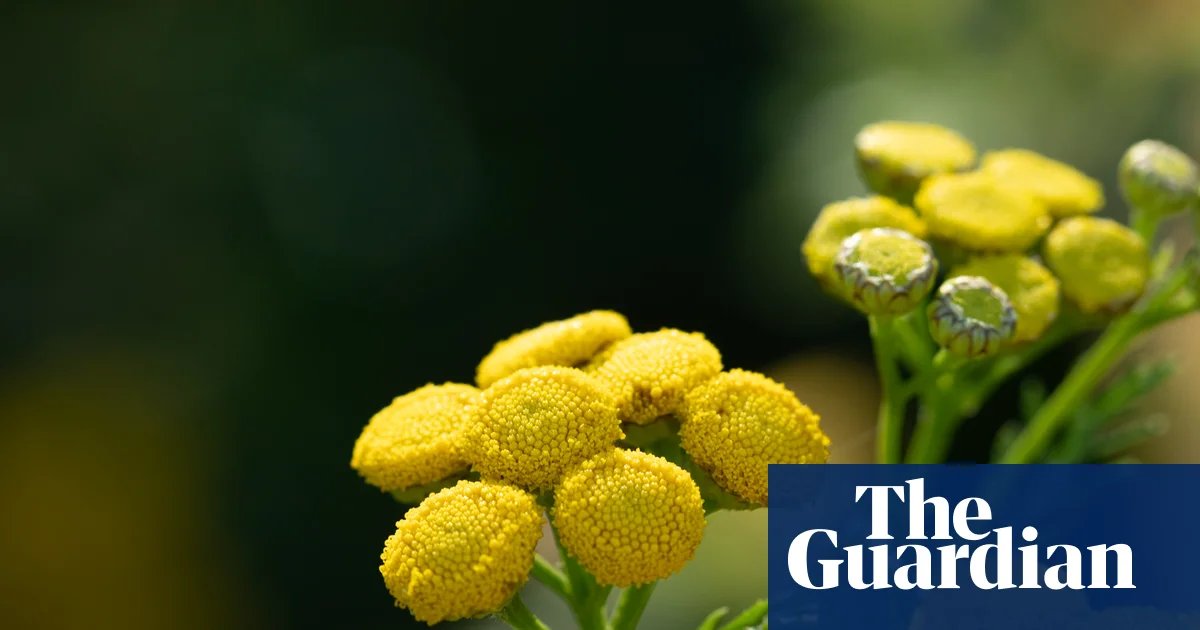
Beyond the immediate challenges, nature also offers examples of surprising resilience. One plant, Tansy, stands out in particular. It “defies the drought, striking for its sprinkling of vivid colour against the skeletons of umbellifers and wilting greens.” Growing in such “localised profusion,” it creates “great sprays of primary yellow buttons.” This remarkable survival is attributed to its unique dual identity: fern-like leaves below and the “little bunched-together disc florets,” characteristic of the aster family, which appear “bobbled like compound eyes.”
The historical significance of Tansy further adds to its mystique. Richard Mabey’s Flora Britannica details its medieval lineage as an “all-purpose, largely medicinal herb.” Its uses ranged from being “mildly toxic and purgative” to its inclusion as a “bitter flavouring for an omelette.” Intriguingly, another historical account claims that tansy leaves were “garlanded into an embalming wreath for the coffined first president of Harvard University.” While its historical utility is undeniable, contemporary caution is advised, with the observer humorously noting, “I think I might leave them for other mouths to sample.”
The current drought serves as a potent reminder of the fragility of natural environments and the profound impact of climate shifts. As the British countryside grapples with conditions reminiscent of past extremes, the resilience of both flora and fauna, and the subtle signs of hope found in unexpected places, offer valuable insights into adaptation and survival in a changing world.