







UK Government Convenes Emergency Meeting Amidst Fifth Heatwave Crisis
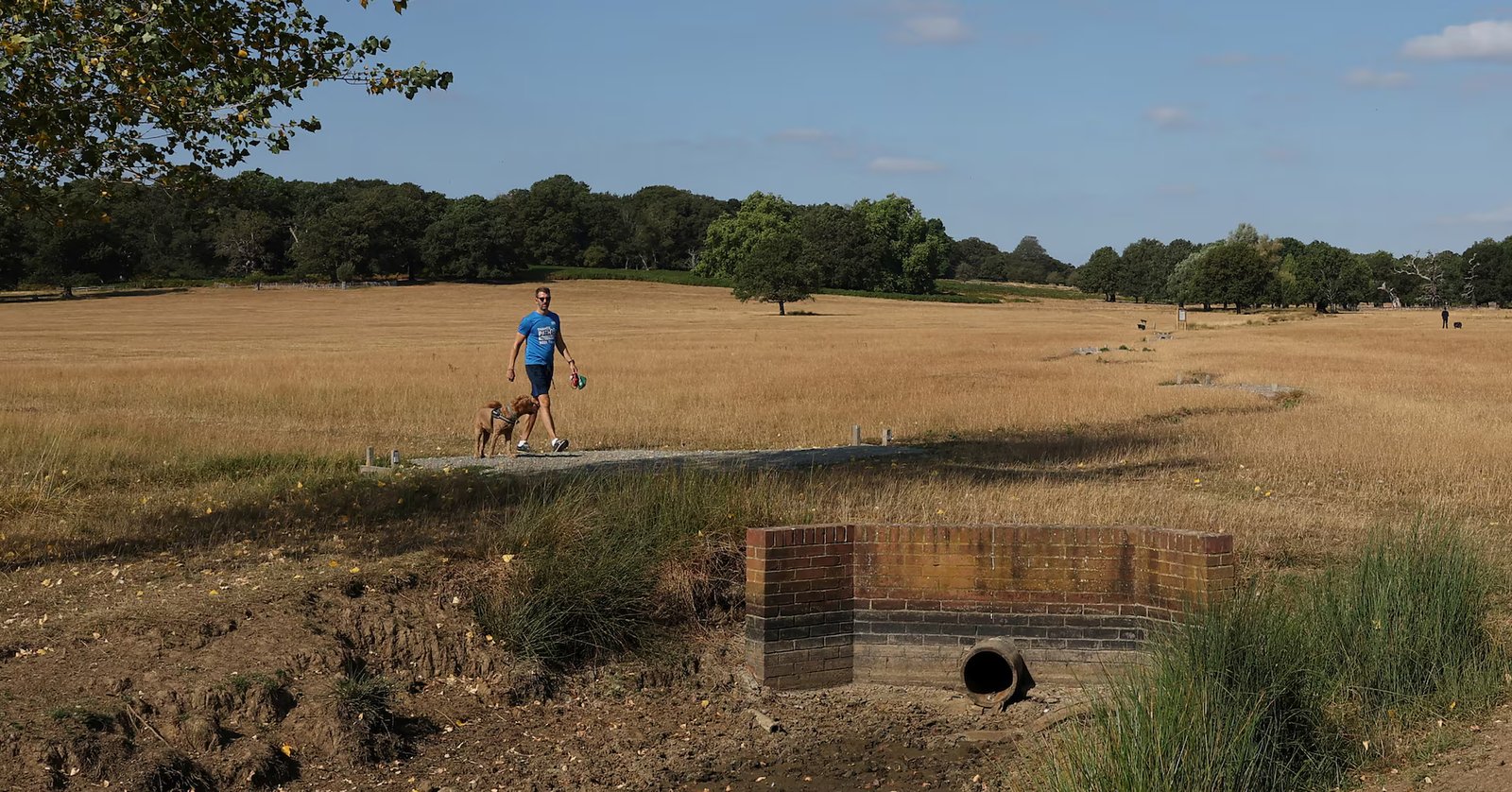
A view of dry lands, symbolizing the ongoing drought conditions gripping parts of the UK. (File Photo)
British Prime Minister Andy Burnham is set to chair a critical meeting of the government’s emergency response committee, COBRA, on Wednesday to address the escalating challenges posed by extreme heat, rampant wildfires, and pervasive drought. This urgent convocation comes as the United Kingdom grapples with an unprecedented fifth heatwave this year, pushing national resilience to its limits and raising profound questions about climate adaptation strategies.
The announcement from the Prime Minister’s office underscores the severity of the situation, highlighting a summer and autumn marked by relentless high temperatures. While the specific date of “Wednesday” points to an immediate response, the broader context is one of a nation struggling with the increasingly visible impacts of climate change, manifest in these recurring environmental crises.
Unprecedented Frequency and Severity
The UK, traditionally known for its temperate climate, has experienced a stark deviation from historical norms. A fifth heatwave within a single year is a statistical anomaly that experts attribute to global warming patterns. These prolonged periods of intense heat not only pose immediate health risks, particularly for vulnerable populations, but also exacerbate existing environmental vulnerabilities.
The knock-on effects are profound. Prolonged drought conditions have led to significant concerns regarding water security, agricultural yields, and the health of natural ecosystems. Reservoirs are at critically low levels in several regions, prompting water companies to implement hosepipe bans and urge judicious water usage. The impact on farming communities is particularly acute, with crop failures and livestock stress becoming more common.
Wildfires: A Growing Menace
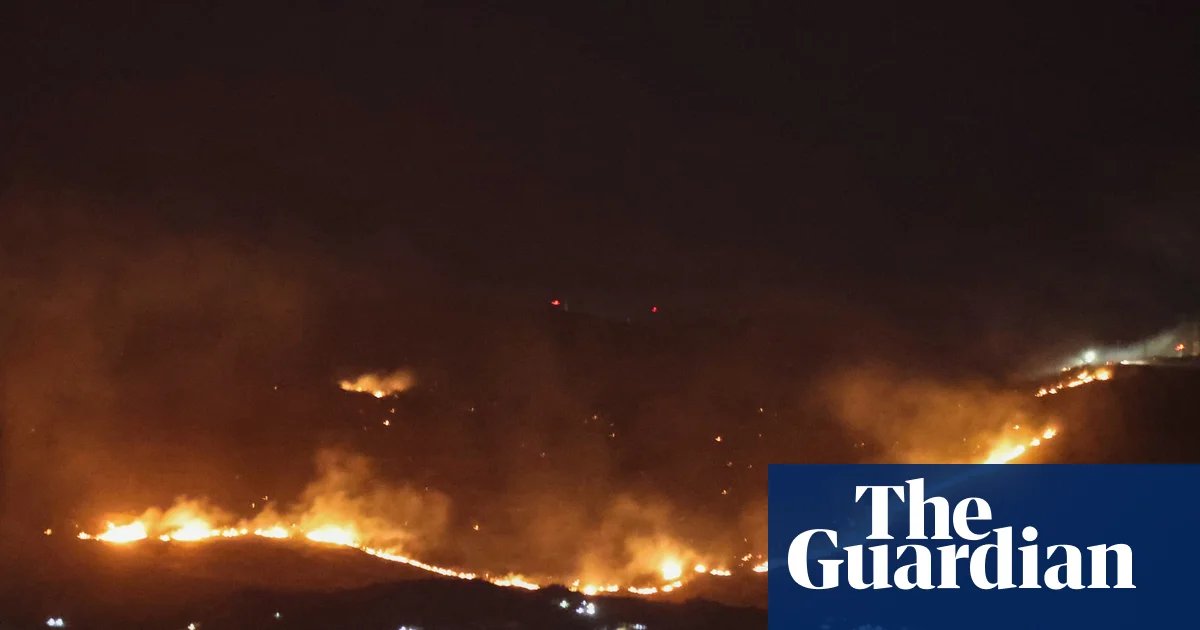
Parallel to the drought, wildfires have become an increasingly frequent and devastating feature of the British landscape. Dry vegetation, coupled with high temperatures and occasional strong winds, creates ideal conditions for blazes to ignite and spread rapidly. Fire services across the country have reported unprecedented call-outs, stretching resources and placing immense pressure on emergency personnel.
These fires not only destroy natural habitats and property but also contribute to air pollution, impacting public health in affected areas. The economic cost of these incidents, from firefighting efforts to property damage and ecosystem restoration, runs into millions of pounds.
COBRA’s Mandate: Mitigation and Adaptation
The convening of COBRA (Cabinet Office Briefing Rooms A) signifies that the government views the current situation as a national emergency. The committee, comprising senior ministers, emergency services chiefs, and relevant experts, will be tasked with coordinating a comprehensive, multi-departmental response. Key discussion points are expected to include:
- Immediate measures to mitigate the impacts of the current heatwave, including public health advisories and support for vulnerable groups.
- Strategies to enhance water conservation and manage dwindling resources.
- Reinforcing wildfire prevention and response capabilities, potentially including military assistance.
- Long-term adaptation strategies to build resilience against future extreme weather events.
“The challenges posed by these repeated extreme weather events demand a robust, coordinated, and forward-thinking response,” a spokesperson for the Prime Minister’s office stated. “Prime Minister Burnham’s leadership of this COBRA meeting reflects the government’s unwavering commitment to protecting our citizens and our environment.”
Looking Ahead: A New Normal?
The repeated occurrence of extreme weather events in the UK suggests a pressing need for a fundamental reassessment of national infrastructure and emergency preparedness. While immediate responses are crucial, the long-term imperative lies in developing sustainable strategies to live with and adapt to a changing climate.
Environmental organizations and climate scientists have long warned about such scenarios, urging governments to accelerate decarbonization efforts and invest heavily in climate resilience. The upcoming COBRA meeting under Prime Minister Burnham’s leadership will be a pivotal moment in determining the UK’s immediate and future response to these profound environmental challenges.