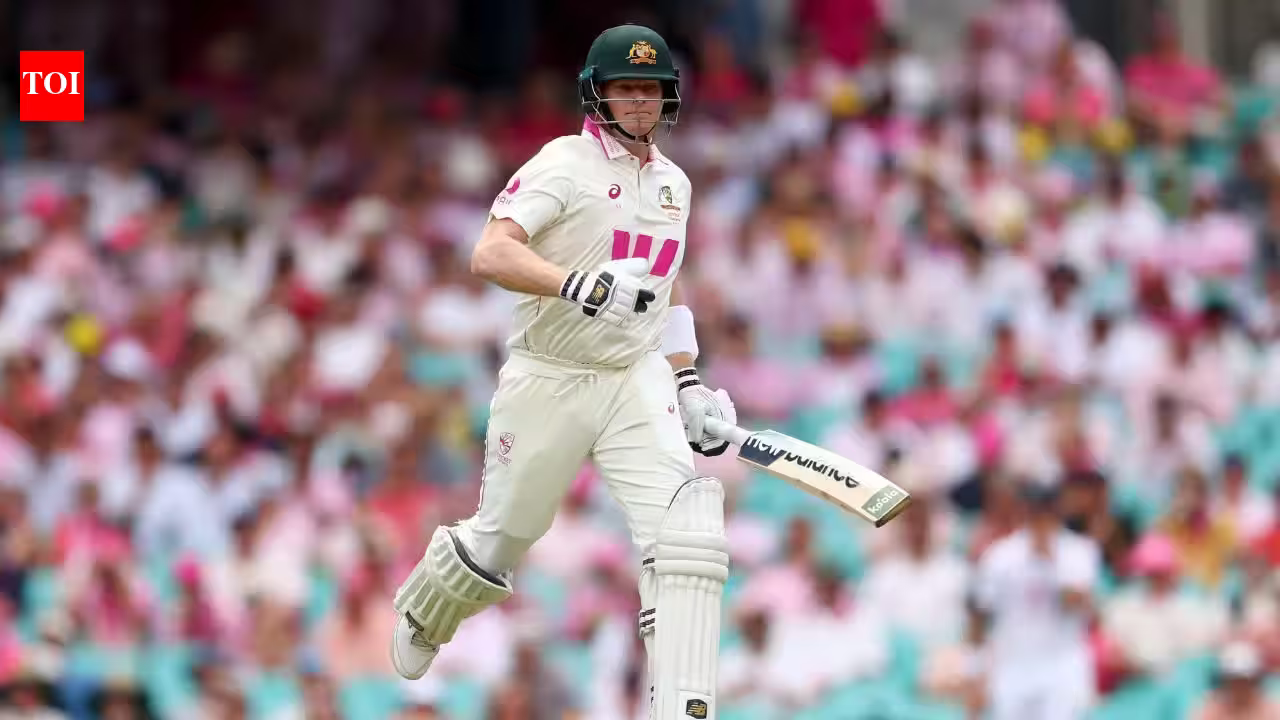









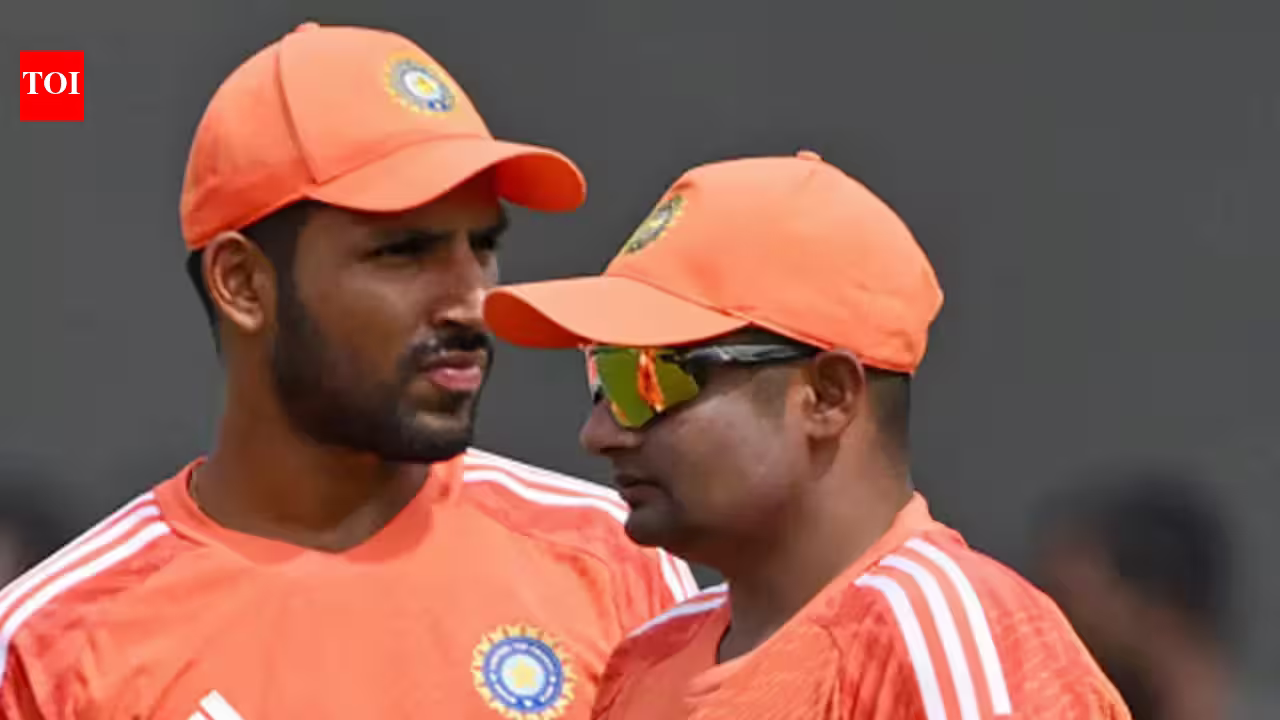
and Sarfaraz Khan. (AFP Photo)
Colombo, Sri Lanka – As the Indian cricket team gears up for its first Test against Sri Lanka at the Galle International Stadium this Saturday, the true challenge may lie not across the boundary rope, but within the confines of their own dressing room. The arrival of chief selector Ajit Agarkar in Colombo on Tuesday underscores the gravity of the decisions confronting the team management, particularly as India’s World Test Championship aspirations hang precariously in the balance.
Getting the playing XI spot-on could be the pivotal factor determining India’s continued contention for a place in the final. Key questions revolve around two critical areas: the middle-order batting and the composition of the bowling attack.
Sarfaraz or Jurel for No. 6? A High-Stakes Dilemma
The most fervent debate within the selection committee undoubtedly centres on the crucial No. 6 batting position. With Devdutt Padikkal’s commanding unbeaten 142 in the warm-up game effectively securing the No. 3 slot, vacated by the injured Sai Sudharsan, the choice for No. 6 boils down to a direct contest between Sarfaraz Khan and Dhruv Jurel.
Former India wicketkeeper and ex-chief selector Kiran More suggests that Jurel’s prior Test experience might give him an advantage. “I think Jurel will play ahead of Sarfaraz because he has already played Test cricket and done well. He’s a good fielder too. Sarfaraz has come in later and will get opportunities,” More told TOI.
Jurel’s Test record, comprising 478 runs at an average of 34.14 across 10 matches, including a century and a fifty, appears respectable on paper. However, recent performances raise concerns, particularly his struggles against spin bowling. After a strong showing in the unofficial Test against South Africa A, Jurel’s form dipped significantly in the subsequent Test series, registering scores of 14, 13, 0, and 2. Veteran off-spinner Simon Harmer proved his nemesis, dismissing him in both innings of each Test.
This trend regrettably continued in Sri Lanka, where Jurel managed just one and 17 in the warm-up match, again falling cheaply to off-spinner Ramesh Mendis. With the Galle pitch historically known to favour spin, the Indian think tank will be acutely aware of the risks associated with selecting a batsman who has shown visible vulnerabilities against turning deliveries.
Conversely, former India batter Mohammad Kaif advocates strongly for Sarfaraz Khan. “If India stick to backing players who have already been around the side, then Jurel could get the nod. But if you ask me for the best XI, Sarfaraz is in it because of his ability against spin,” Kaif stated on his YouTube channel. Sarfaraz’s reputation as an exceptional player of spin is well-earned, underpinned by an extraordinary first-class record. He boasts an astounding average of 64.73, accumulating 5,114 runs and 17 centuries in 62 matches – a testament to his prolific run-scoring capabilities and his adeptness against various bowling attacks, especially spinners.
Shaping the Bowling Attack: Pace or Spin Dominance?
The second major conundrum facing the team management is the optimal bowling combination. Mohammed Siraj and Prasidh Krishna appear to be certainties to spearhead the pace attack for the opening Test. The strategic question then becomes whether to include a third seamer or to fortify the spin department, a traditionally strong suit on Sri Lankan pitches.
While conventional wisdom suggests spin will be paramount, former India left-arm pacer Irfan Pathan believes fast bowlers can also find success. “Whenever I played in Sri Lanka, there was always a bit more zip in the wickets. In humid conditions, the ball also tends to move around,” Pathan recently told TOI, suggesting a potential role for pace even in spin-friendly environments.
Kiran More echoes this sentiment, anticipating India will field three pacers unless Galle presents an unusually extreme turning track. “My three seamers would be Siraj, Krishna and Gurnoor Brar. Since Nitish Kumar Reddy is unavailable, India need that extra pace option,” More elaborated. If this strategy is adopted, the spin responsibilities would primarily fall to the experienced duo of Ravindra Jadeja and Kuldeep Yadav, forming a balanced attack designed to exploit both pace and spin conditions.
As the clock ticks down to Saturday’s opening delivery, these critical decisions will shape India’s performance and potentially determine their World Test Championship fate. The internal contest for places promises to be as compelling as the one on the field.