








Inflation Cools for Second Consecutive Month, Easing Economic Pressures
WASHINGTON D.C. – August 14, 2024 – The annual inflation rate in the United States decelerated for the second consecutive month in July, cooling to 3.4%. This welcome news, primarily driven by a significant reduction in fuel costs, was reported Wednesday by the Bureau of Labor Statistics (BLS). The Consumer Price Index (CPI) indicated a modest 0.1% rise on a monthly basis, aligning with economists’ projections and offering a glimmer of hope for a stabilizing economy.
Earlier this year, the ongoing Iran war and its subsequent energy shock had propelled inflation to a three-year high, creating widespread economic uncertainty. However, as peace talks have progressed, albeit with lingering complexities, both energy prices and the broader inflationary trend have begun to subside.
Despite the positive shift in inflation, concerns regarding the cost of living persist for many Americans. The latest jobs report highlighted a critical disparity: average pay gains, recorded at 3.2%, are currently not keeping pace with the prevailing rate of price increases. This imbalance underscores the continued financial strain experienced by households across the nation.
Christopher Rupkey, chief economist at FwdBonds, commented on the current economic climate, stating, “The economy isn’t out of the woods from the threat that inflation poses for everyday Americans, but price pressures aren’t hot to the touch either.” His observation captures the delicate balance the economy is currently navigating.
The sustained slowdown in price increases carries significant implications for monetary policy. It could alleviate the pressure on the Federal Reserve to implement further interest rate hikes. Federal Reserve Chairman Kevin Warsh has repeatedly affirmed the central bank’s unwavering commitment to bringing inflation down to its long-term target of 2%, a level it has consistently exceeded for several years.
A key factor contributing to July’s more temperate CPI readings was the notable decline in gas prices, which fell by 2.9% from the previous month. This reduction at the pump played a crucial role in curbing overall inflationary pressures.
Furthermore, the housing sector, represented by the substantial “shelter” category which accounts for approximately one-third of the overall CPI basket, also showed signs of cooling. The shelter index recorded a mere 0.1% increase in July, primarily due to falling prices in hotels, motels, and other temporary accommodations. This moderation in housing costs is a significant development, given its considerable weight in the inflation calculation.
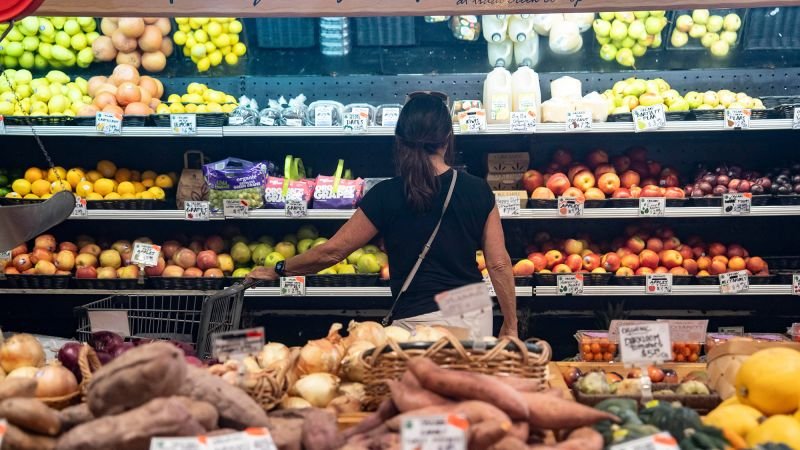
Food inflation also contributed to the overall deceleration, with grocery prices declining by 0.1% in July. Annual food inflation is currently running at 2.7%, remaining below the broader annual inflation rate.
Energy prices, particularly gas prices, have been highly volatile since the Middle East conflict disrupted shipping routes through the critical Strait of Hormuz. In such an environment, “core” inflation gauges become even more crucial for accurately assessing the underlying trajectory of price changes.
Core CPI, which excludes the more volatile food and energy components, rose by 0.2% in July, bringing the annual core inflation rate to 2.5%. This rate matches the levels observed in January and February of this year, which at the time represented a near five-year low. The stability in core inflation suggests that underlying price pressures are moderating more broadly across the economy.
The consistent slowdown in price increases offers cautious optimism for the economic outlook and provides the Federal Reserve with greater flexibility in its policy decisions. As the situation develops, economic analysts will closely monitor future data releases for continued signs of stability and progress towards the central bank’s inflation targets.
This story is developing and will be updated.