







Ukraine’s Wartime Environmental Leap Challenges UK’s Post-Brexit Isolation
If Ukraine can join Europe’s environmental network in the middle of a war, the UK should return to the system it helped create – and should never have left.
The hypothetical arrival of Andy Burnham in Downing Street presents an immediate, albeit complex, opportunity for the UK to recalibrate its relationship with Europe. While familiar Brexit-era debates around sovereignty and “rule-taking” loom, a former MEP and environmental official, Stanley Johnson, argues that a clear path for constructive engagement lies in environmental cooperation, specifically through rejoining the European Environment Agency (EEA) and its technical partner, Eionet.
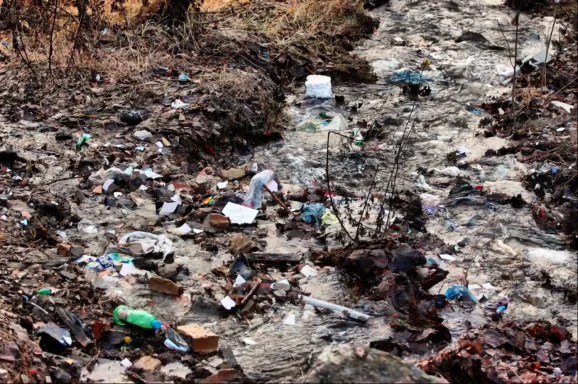
Cross-border environmental issues such as air and water pollution, chemical waste, climate change, and nature protection inherently demand collaborative solutions. These challenges necessitate shared data, consistent monitoring, and practical cooperation among neighbouring states. Johnson, instrumental in the establishment of the EEA and Eionet in the 1980s, highlights these organisations’ critical role in collecting and disseminating environmental data across Europe, addressing issues with clear transnational implications.
Crucially, membership in the EEA extends beyond the European Union. It operates as a truly pan-European body, with members including EU states, Iceland, Liechtenstein, Norway, Switzerland, and Türkiye. Cooperating countries further broaden its reach, encompassing Albania, Bosnia and Herzegovina, Kosovo, Moldova, Montenegro, North Macedonia, Serbia, and – significantly, as of June this year – Ukraine.
The inclusion of Ukraine, a nation actively embroiled in conflict, starkly highlights the UK’s continued absence from this vital environmental network. The UK was a full member of the EEA until 11pm on January 31, 2020, departing concurrently with its exit from the European Union. Despite this, the door to EEA membership remained open through existing statutes, allowing the UK to have continued its involvement as a non-EU country, mirroring the status of nations like Norway, Switzerland, and Türkiye.
Johnson recalls formally inquiring about the UK’s potential future relationship with the EEA in February 2020. He received a reply from then-environment minister Rebecca Pow, stating that “A decision has not yet been made on a future relationship with the EEA.” Six years on, Johnson notes, no serious effort appears to have been made by the previous Conservative government to reinstate the UK’s position within the very bodies it helped establish.
However, the call for the UK to rejoin the EEA has gained traction from other quarters. The Liberal Democrats’ 2024 manifesto included a pledge to rejoin the agency, while the European Movement has also actively campaigned for the UK’s return. The Institute for European Environmental Policy echoed these sentiments in May 2024, questioning the rationale behind the UK’s departure from these crucial technical and scientific bodies after over 25 years of close collaboration.
Parliamentary concern was also raised on March 11, 2025, when Baroness Hooper submitted a written question regarding governmental action to enable UK re-entry into the EEA and Eionet. The response from Baroness Hayman of Ullock, on behalf of Defra, acknowledged the UK’s non-membership but stated continued “co-operation with the EEA EU partners as appropriate.” This response, Johnson suggests, is increasingly insufficient.
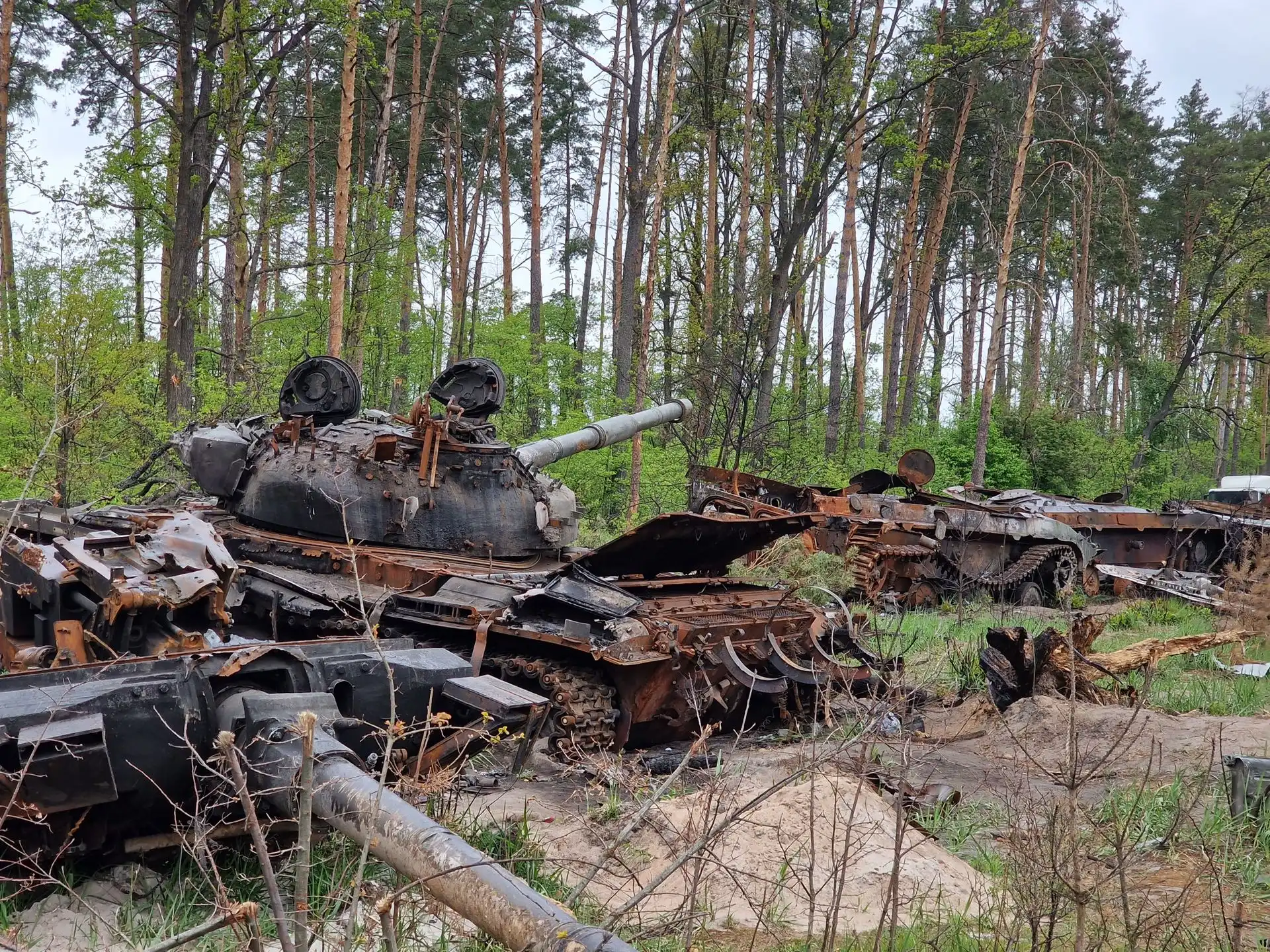
The argument is clear: if Ukraine can join Eionet amidst an ongoing war, the UK’s continued exclusion is difficult to justify. Re-establishing the UK’s membership in the EEA and Eionet, whether as a full member or a cooperating country like Ukraine, presents a tangible opportunity for a new Prime Minister to mend damaged ties with Europe – a bridge, Johnson contends, that should never have been broken.