







Concerns Mount Over Potential ‘Pay-for-Play’ Model for Presidential News Access
WASHINGTON D.C. – [Date of Publication]
A provocative and potentially alarming scenario has been raised regarding the future of presidential communication and media access, drawing strong condemnation from press freedom advocates. The proposition involves a former U.S. President potentially monetizing access to his own news and official statements through a private enterprise under his control, sparking widespread concern about the integrity of public information dissemination.
The core of the apprehension stems from the prospect of a political figure, particularly one with the historical influence of a former president, establishing a private media conduit where access to official or quasi-official communications could be sold. This model suggests that companies or individuals might pay for priority access to statements, announcements, or insights generated by the former president, effectively creating a tiered system for receiving information that would typically be considered of significant public interest.
Seth Stern, chief of advocacy at the Freedom of the Press Foundation, did not mince words when discussing the implications of such a system.
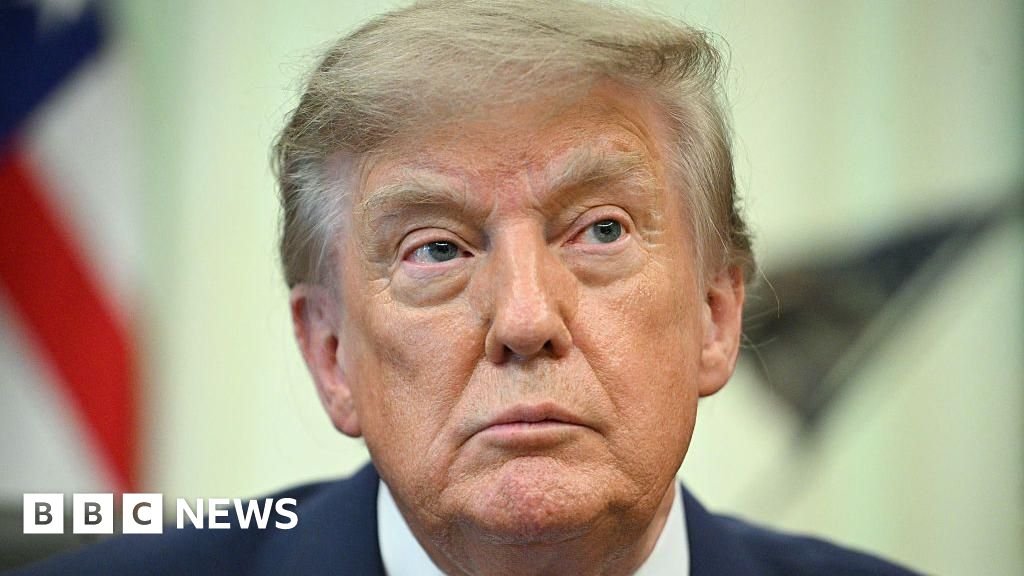
“Trump selling priority access to news he generates, for the benefit of a private company he controls, is so blatantly corrupt and unconstitutional that it would have been hard to even fathom just a few years ago,” Stern stated emphatically.
Constitutional and Ethical Concerns
Stern’s strong language underscores the profound ethical and constitutional questions that arise from such a hypothetical arrangement. The First Amendment to the U.S. Constitution guarantees freedom of the press, a principle designed to ensure an informed citizenry and a robust public discourse. A system where essential political information is gated behind a paywall, especially one controlled by the information generator, could fundamentally undermine this bedrock principle.
- Erosion of Public Trust: Such a model could severely damage public trust in the impartiality and accessibility of information from public figures.
- Unequal Access: It would create an uneven playing field for media organizations, favoring those with financial resources to pay for privileged access, and potentially sidelining independent or smaller outlets.
- Potential for Manipulation: Critics argue that a pay-for-play system could allow for selective dissemination of information, potentially tailoring messages to paying entities or withholding information from non-paying ones, thereby manipulating public perception.
- Conflict of Interest: A former president profiting directly from the distribution of his own political statements raises significant conflict of interest issues, blurring the lines between public service and personal enrichment.
A Novel Challenge to Democratic Norms
The idea of a former U.S. President — an individual whose past actions and future statements inherently carry significant weight in the political landscape — leveraging that influence for private financial gain through a controlled media outlet represents a novel challenge to established democratic norms. While private citizens are free to pursue business ventures, the unique position of a former head of state carries with it specific expectations of conduct and transparency, particularly concerning public communications.
Historically, presidential and former presidential communications have been widely and freely disseminated, ensuring that the public and media alike have unfettered access to statements impacting national discourse. The suggested departure from this norm signifies a potential shift towards a more commercialized and less equitable information ecosystem.
Broader Implications for Media Landscape
The concerns articulated by Seth Stern highlight a growing anxiety within media circles about the fragmentation and potential commercialization of political communication. In an era already characterized by challenges to traditional media models and the proliferation of alternative information channels, a ‘pay-for-play’ structure for accessing news from a prominent political figure could set a dangerous precedent.
It forces a critical examination of what constitutes “public information” and who ultimately controls its distribution. As the political landscape continues to evolve, the distinction between a politician’s official capacity and their private commercial interests becomes increasingly complex, demanding vigilant oversight from press freedom organizations and the public.
The debate surrounding this potential model underscores the ongoing struggle to preserve a free, accessible, and unbiased flow of information, essential for the health of any democratic society.
This article discusses hypothetical scenarios based on expressed concerns regarding potential future actions of a former President. It does not confirm any specific plans or ventures.