








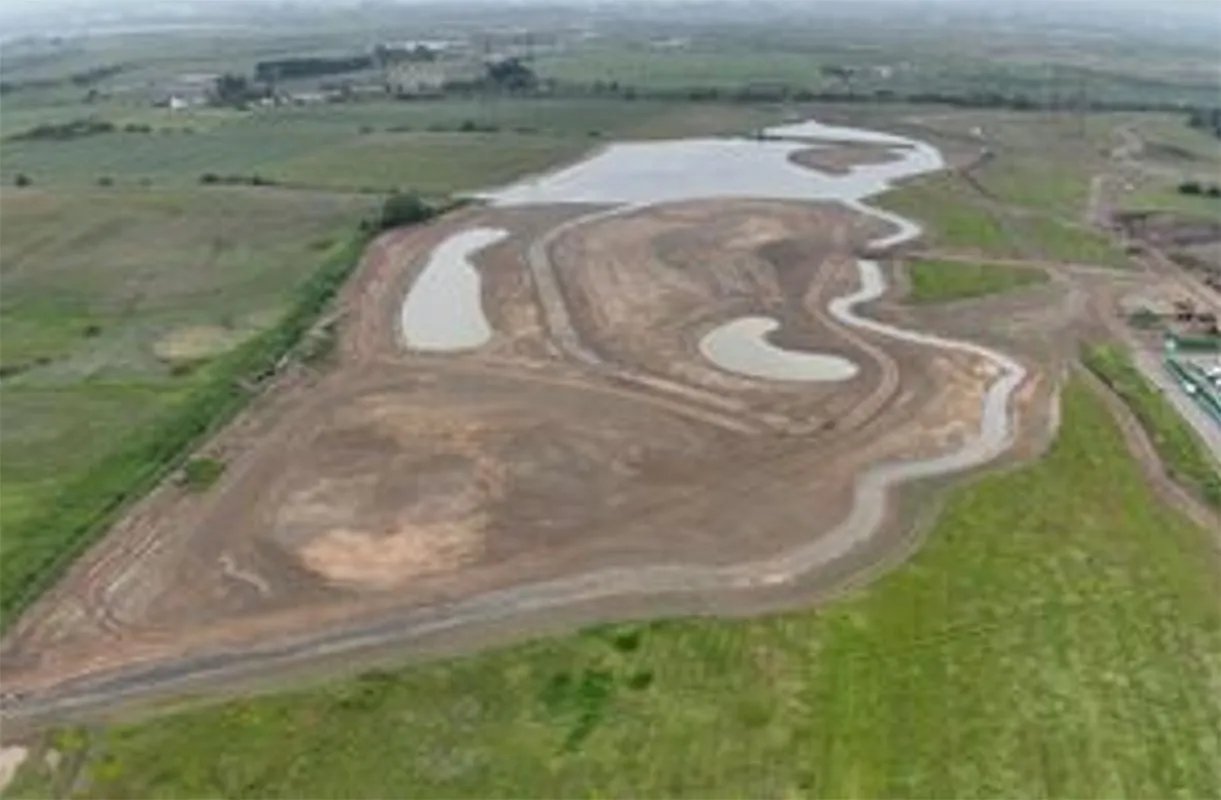
The Greatham Marsh restoration scheme, spearheaded by the Environment Agency (EA) in collaboration with The Greatham Foundation and Northumbrian Water, has achieved a remarkable feat: the return of the tide to an area near Hartlepool for the first time in over two centuries. This significant undertaking involved re-establishing the original course of Greatham Beck and removing a historical tidal barrier, effectively reversing centuries of land reclamation from the sea.
This specific project forms a vital component of the larger £30 million Tees Tidelands Programme, an ambitious initiative designed to realign flood defenses, revitalize intertidal and river habitats, and foster stronger connections between tributaries, local communities, and the estuary itself. A key aspect of the restoration at Greatham Marsh involved the re-establishment of Greatham Beck’s natural flow, a course that had been altered and filled in approximately 50 years ago. By dismantling obsolete sections of the old flood bank and removing a no-longer-needed tidal sluice, the natural processes of coastal saltmarsh re-establishment can now occur. This will lead to the creation of invaluable wetland habitats, crucial for supporting diverse wildlife. The project is projected to restore 21.3 hectares of coastal saltmarsh, mudflat, and high tide roosts, providing essential breeding and feeding grounds for internationally recognized bird species like curlews and avocets.
Beyond its ecological benefits, this restoration effort is expected to yield substantial improvements in water quality and bolster the region’s resilience against the growing threats of climate change and rising sea levels. Following the successful completion of the construction phase, extensive planting is planned, including native hedgerows, hedgerow enhancements, and tree planting. Additionally, approximately nine hectares of neutral grassland will be sown, further enriching the local environment. The strategic removal of redundant flood defenses will also allow the EA to allocate its resources more efficiently, focusing on the maintenance of defenses that directly safeguard human populations and property.
Matthew Rountree, the EA project manager, highlighted the long-term positive impacts of this undertaking, stating that the project facilitates the restoration of a substantial coastal saltmarsh area within the Tees Estuary through natural processes. He emphasized that this newly revitalized area will not only provide critical habitats for wildlife but also play a significant role in carbon sequestration, capturing hundreds of tonnes of carbon annually. Rountree further elaborated that by allowing Greatham Beck to revert to its natural form, a crucial balance is being restored to the estuary, enabling the return of migratory fish species after decades of absence. The next phases of the project involve seeding the designated grassland and planting 1.7 kilometers of species-rich native hedgerows and ecologically significant treelines.
Deborah Lewis-Bynoe, Chief Executive of The Greatham Foundation, expressed immense pride in the completion of the Greatham Saltmarsh restoration scheme, describing it as a “fantastic milestone.” She underscored the importance of collaborative partnerships, such as the one with the EA and Northumbrian Water, in achieving such impactful outcomes. Lewis-Bynoe reiterated her organization’s commitment to enhancing the sustainability of its charitable endeavors and creating enduring positive impacts for both communities and the environment. Richard Warneford, Wastewater Director at Northumbrian Water, echoed these sentiments, emphasizing the diverse and significant benefits of the scheme. He hailed it as excellent news for the environment and a considerable boost for the Tees, reaffirming Northumbrian Water’s dedication to supporting improvements in the Tees Estuary through direct investment and active engagement in broader partnership initiatives.