









A comprehensive assessment of Scotland’s seabird populations paints a stark picture of decline, revealing that their numbers have plummeted to roughly half of what they were in the 1980s. This concerning trend emerges from the latest Scottish Biodiversity Indicator for Seabirds, which analyzed 19 of the 24 seabird species that establish breeding colonies along Scotland’s extensive coastline between 1986 and 2024. The data, primarily sourced from the UK Seabird Monitoring Program, indicates that nearly all species studied have experienced long-term reductions, with a significant impact observed on eight specific species.
Among the hardest hit is the Arctic skua, which has suffered a staggering 93 percent decrease in its population since 1986. Following closely are the little tern and common tern, with declines of 75 percent and 73 percent respectively. Beyond sheer numbers, the reproductive success of these birds, measured by the number of chicks produced, is also on a downward trajectory over the long term. Eight of the 16 species surveyed are exhibiting lower productivity compared to the three-year average, which itself hovers around 75 percent of the 1986 level.
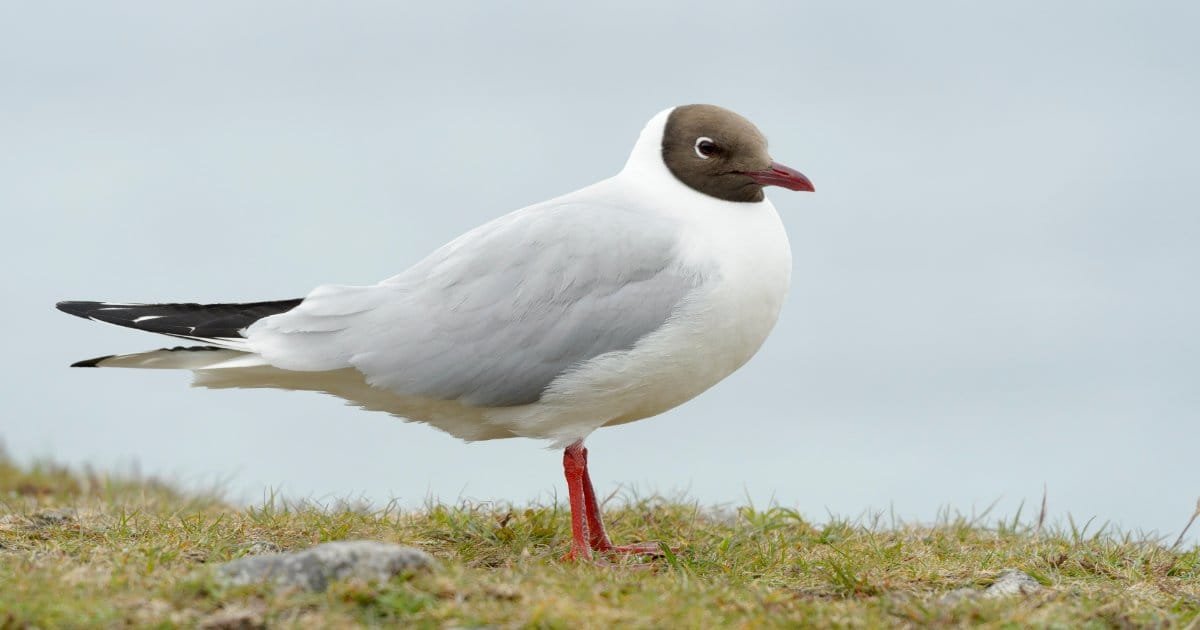
While the overall outlook is grim, there have been some minor positive developments. The breeding success of black-headed gulls, guillemots, and puffins has shown a degree of stabilization over the past three study years (2022–2024). Furthermore, great black-backed gulls and gannets recorded higher than average success in 2024. However, this is largely an anomaly for gannets, whose long-term trend has been severely impacted by the devastating effects of avian flu. It is crucial to remember that breeding success can fluctuate considerably year-to-year, directly reflecting immediate environmental factors such as food availability, adverse weather events, and predation pressures.
Bex Outram, a Marine Ornithologist with NatureScot, emphasizes the critical role Scotland plays in the broader seabird ecosystem, noting that the country harbors over 60 percent of the UK’s seabird population. These world-renowned seabird colonies are not only ecologically significant but also contribute substantially to wildlife tourism, injecting an estimated £127 million into the Scottish economy annually. However, Outram warns that these vital populations face numerous threats. Climate change, food shortages, the presence of invasive species, and other anthropogenic pressures are all contributing to their ongoing decline. The severity of recent disease outbreaks, such as avian flu, and extreme weather events have further exacerbated these challenges, leading to widespread devastation.
In response to this crisis, concerted efforts are underway as part of the Scottish Seabird Conservation Action Plan. This initiative focuses on three core areas: ensuring a stable and adequate food supply for seabirds, restoring their crucial habitats, and maximizing their survival rates. While these interventions are essential, Outram acknowledges that their positive impacts will not be immediately apparent. Therefore, continuous long-term monitoring, combined with advancements in technology to deepen our understanding of seabirds, is deemed absolutely vital for the success of these conservation efforts.
An excellent example of this technological advancement is the support provided by the Scottish Marine Environmental Enhancement Fund (SMEEF). SMEEF has funded the acquisition of 40 specialized GPS tags, eight mobile base stations, and two fixed base stations. This equipment is being deployed for tracking northern fulmars on St Kilda and Fair Isle. By utilizing these advanced tags, researchers will be able to meticulously track the foraging behavior of these birds, providing the National Trust for Scotland (NTS) with invaluable insights into the specific challenges driving their precipitous decline. This data-driven approach is crucial for developing targeted and effective conservation strategies to safeguard the future of Scotland’s precious seabird populations.