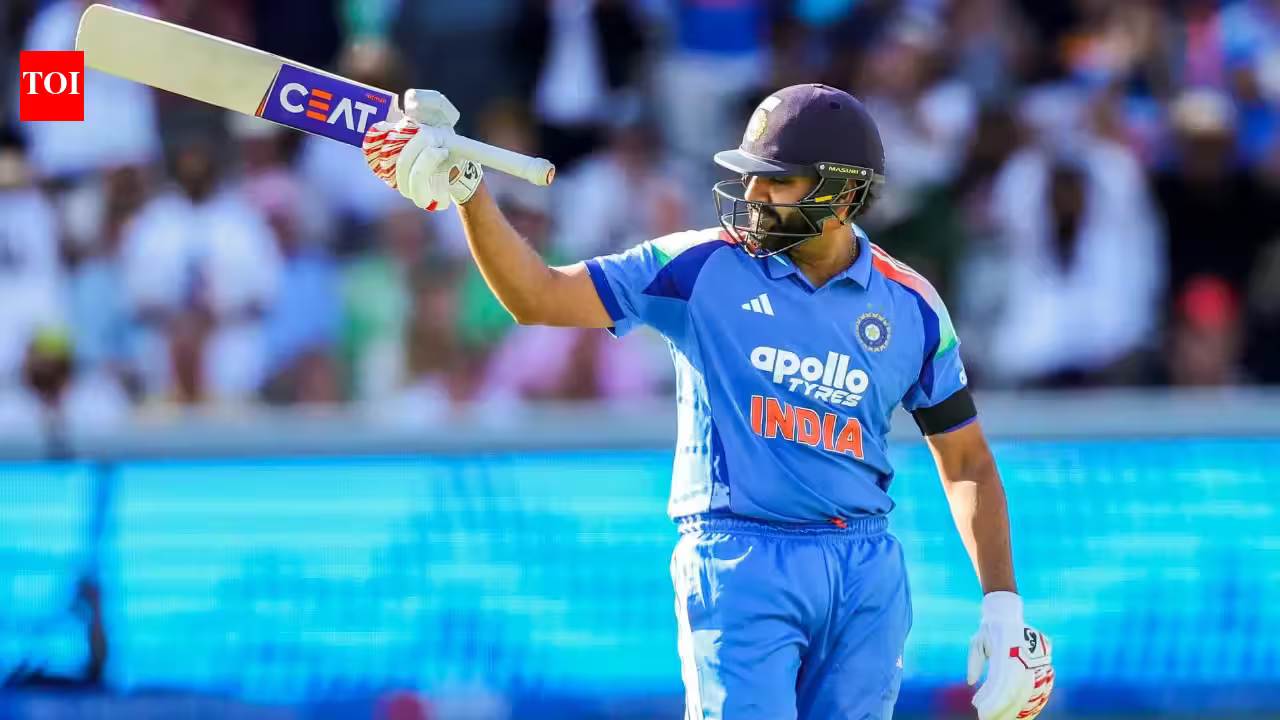







Former India international, Ravichandran Ashwin, has put forth an intriguing proposition regarding the post-playing career of Rohit Sharma. Ashwin firmly believes that Sharma possesses the tactical acumen and leadership qualities to transition seamlessly into a significant coaching or mentoring role once his illustrious playing career concludes. He particularly urges the Mumbai Indians, a franchise with whom Sharma has achieved immense success, to integrate him into their setup as soon as he decides to hang up his boots.
This discussion comes at a time when the landscape of Indian cricket, particularly outside of international matches, is largely dominated by IPL trade discussions and evolving coaching dynamics within various teams. Against this backdrop, Ashwin was prompted to consider the future trajectories of two of India’s most celebrated modern batsmen, Rohit Sharma and Virat Kohli, concerning potential coaching stints.
While Ashwin envisions a clear pathway for Rohit Sharma within the Mumbai Indians organization, his outlook for Kohli’s immediate transition into a coaching role is less certain. Ashwin suggests that Kohli, after dedicating so much to the game, might prefer a period of respite and detachment from the sport before considering a new involvement. He elaborated on his YouTube channel, stating that he doesn’t anticipate Kohli immediately embracing a coaching position, inferring that both players have invested an extraordinary amount of effort into their careers.
Ashwin also highlighted the increasing significance of franchise cricket, predicting that it will generate a wider array of specialized roles for retired players. He foresees a proliferation of positions such as mentors, directors of cricket, and high-performance directors, offering accomplished cricketers diverse avenues to remain actively engaged with the sport beyond their playing days.
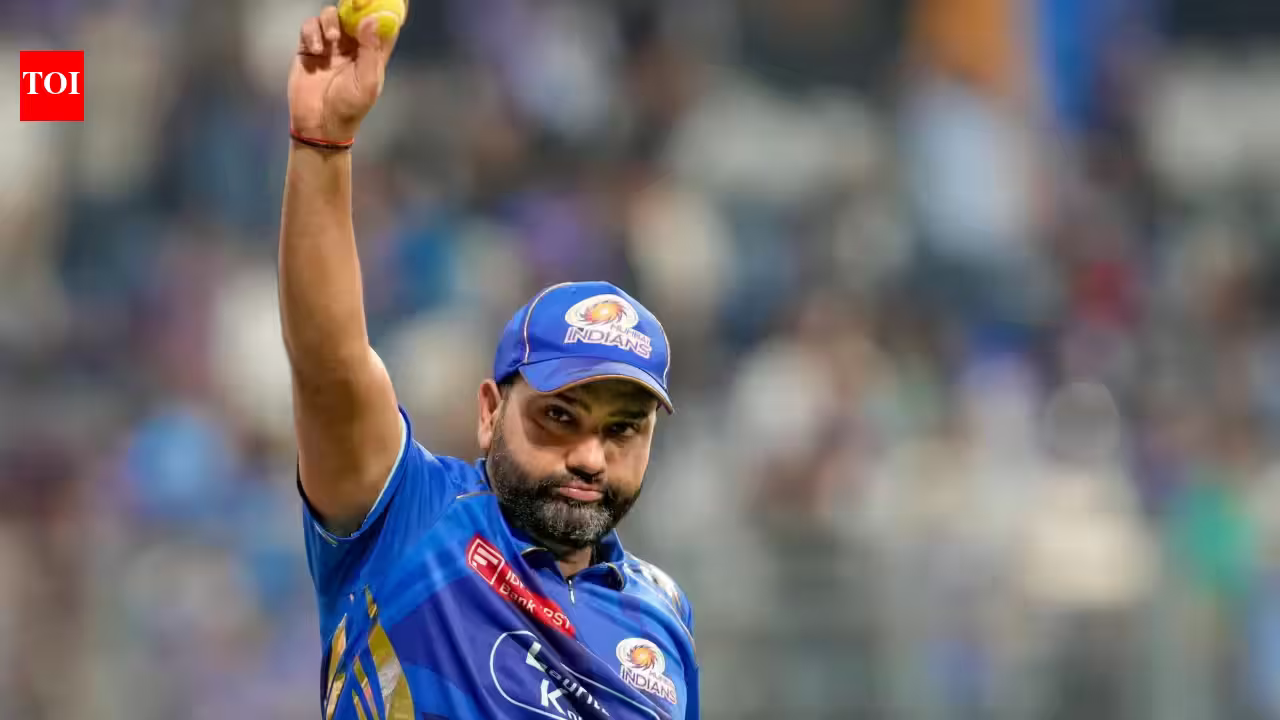
At 39 years old, Rohit Sharma is undoubtedly nearing the twilight of his playing career. He has already retired from both T20 Internationals and Test matches, with his continued participation in the remaining format being a subject of ongoing speculation. However, for Ashwin, Sharma’s profound understanding of the game’s strategies makes him far too valuable an asset for the Mumbai Indians to simply lose once he ceases playing. Sharma, after all, captained the franchise to an impressive five IPL titles and was a key figure in India’s journey to an ICC World Cup triumph.
Ashwin passionately articulated his view: “If tomorrow Rohit decides ‘I won’t play,’ Mumbai Indians should immediately absorb him.” He underscored the rarity of finding individuals who have captained a team to five titles and led their country to a World Cup. Ashwin further posited that even if Sharma doesn’t immediately aspire to the demanding role of a head coach, a short break of one or two years would likely prepare him for a strategic position, much like Rahul Dravid took a hiatus before returning to a prominent role. Ashwin firmly believes that such invaluable cricketers should be retained within the system, emphasizing that Mumbai Indians, given their understanding of Sharma’s strategic mind, would certainly not let him go.
These observations from Ashwin suggest a future for Rohit Sharma in cricket that extends beyond the traditional definition of a head coach. A period of rest could allow the former India captain to rejuvenate before potentially assuming a strategic or mentoring capacity. Kohli, on the other hand, might chart a different course, with Ashwin anticipating that he would take a significant break from cricket before deciding on his next steps.
Ultimately, with the growing influence of franchise cricket, Ashwin is confident that retired stalwarts like Rohit Sharma and Virat Kohli will have abundant opportunities to contribute to the sport in various capacities beyond conventional coaching, provided they are afforded the autonomy to select roles that genuinely align with their preferences and aspirations.