








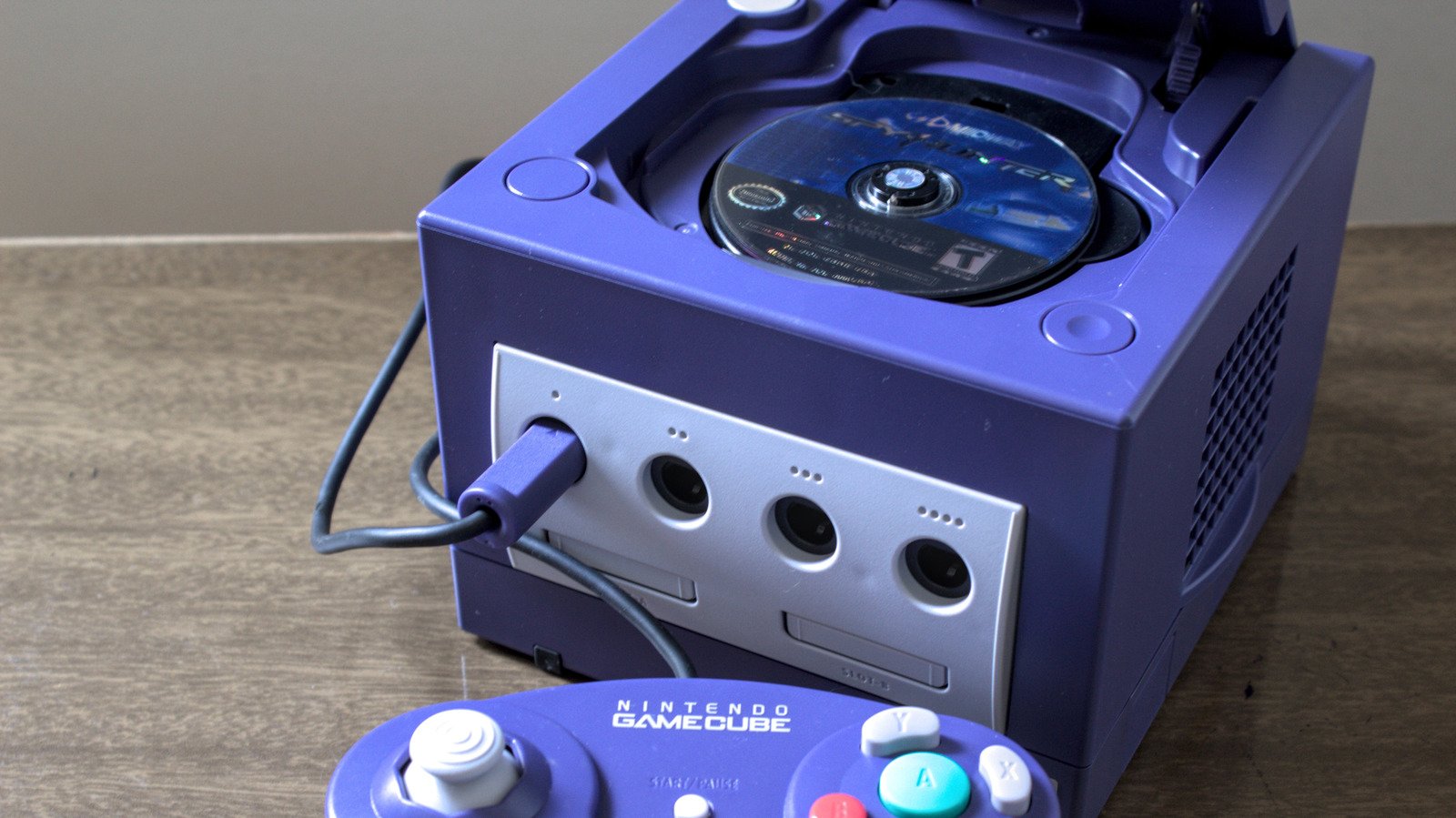
The Nintendo GameCube holds a cherished place in console history, remembered for its distinctive design, the iconic startup sequence, and the practical handle that made it uniquely portable. While its successor, the Wii, eclipsed its sales figures, the GameCube’s innovative approach, particularly its choice of game media, left an indelible mark. Unlike its contemporaries, the PlayStation 2 and Xbox, which embraced standard DVDs, the GameCube utilized a proprietary disc format, setting it apart. This decision, though potentially impacting overall system sales, offered distinct advantages, most notably reduced loading times.
At the heart of the GameCube’s unique identity were its small discs. These proprietary miniDVDs, often referred to as "GameCube Optical Discs," measured a mere 3.15 inches in diameter, significantly smaller than the 4.17-inch standard DVD. This size difference rendered them unreadable by conventional DVD drives, a deliberate move that served multiple purposes. Primarily, it acted as a robust anti-piracy measure. In the early 2000s, common PC DVD burners were incapable of reading Nintendo’s specialized disc technology, making it considerably more challenging to pirate GameCube titles compared to those for the PS2 or Xbox. While modders eventually developed solutions like the Dolphin emulator, the initial barrier to piracy was substantial.
Beyond piracy prevention, Nintendo’s decision to forgo standard DVDs and adopt its own miniDVD format carried significant financial and design implications. By avoiding the use of widely licensed DVD technology, Nintendo circumvented the need to pay licensing royalties to the DVD Forum, which would have amounted to approximately $20 per console. This considerable cost saving contributed to the GameCube’s highly competitive launch price of $200 in late 2001, making it an attractive option for budget-conscious gamers compared to the $300 price tags of the PS2 and Xbox.
The compact nature of these discs also directly influenced the GameCube’s physical design. A smaller optical drive could be incorporated, leading to one of the most diminutive home consoles ever released. This resulted in a machine that was not only aesthetically pleasing but also remarkably lightweight, weighing a mere 5.7 pounds compared to the Xbox’s hefty 8.8 pounds. This portability, enhanced by the integrated handle, made it incredibly convenient for players to transport their console to a friend’s house for multiplayer sessions. Furthermore, the smaller size of the discs themselves contributed to faster loading times. With less distance for the console’s laser to travel, games could be accessed more quickly, a consistent commitment from Nintendo to optimize the player experience.
However, the limited capacity of these miniDVDs, just under 1.5GB, presented a challenge for game developers. In an era where game worlds were becoming increasingly expansive, this forced developers to ingeniously optimize their creations. The achievement of titles like The Legend of Zelda: The Wind Waker, with its vast, seamless ocean, becomes even more remarkable when considering these storage constraints. Another consequence of this choice was the absence of built-in storage on the GameCube; players had to purchase separate memory cards to save their game progress.
Despite these benefits, it is plausible that the proprietary disc format ultimately hindered the GameCube’s sales performance. Among the sixth-generation consoles, the GameCube recorded the lowest sales figures, moving 21.74 million units globally. While not a negligible number, it paled in comparison to the Xbox’s 24 million and the colossal 160 million units sold by the PlayStation 2. A crucial factor in this disparity was the inability of the GameCube to play standard DVD movies. In 2001, when streaming was not yet commonplace, the ability of the PS2 and Xbox to double as DVD players was a significant selling point, swaying many purchasing decisions. DVDs represented a revolutionary leap in home entertainment, offering features like chapter selection that felt almost magical at the time. Nintendo’s decision meant its console remained a dedicated gaming device, lacking the broader entertainment appeal of its rivals. This, coupled with a perceived lack of robust third-party support – the GameCube notably missed out on major titles like Grand Theft Auto and mainline Final Fantasy games – contributed to its underdog status in the console wars. While the small discs offered technical advantages and cost savings for Nintendo, they also positioned the GameCube as a more niche, gaming-focused product in a market increasingly moving towards multi-functional entertainment hubs.