






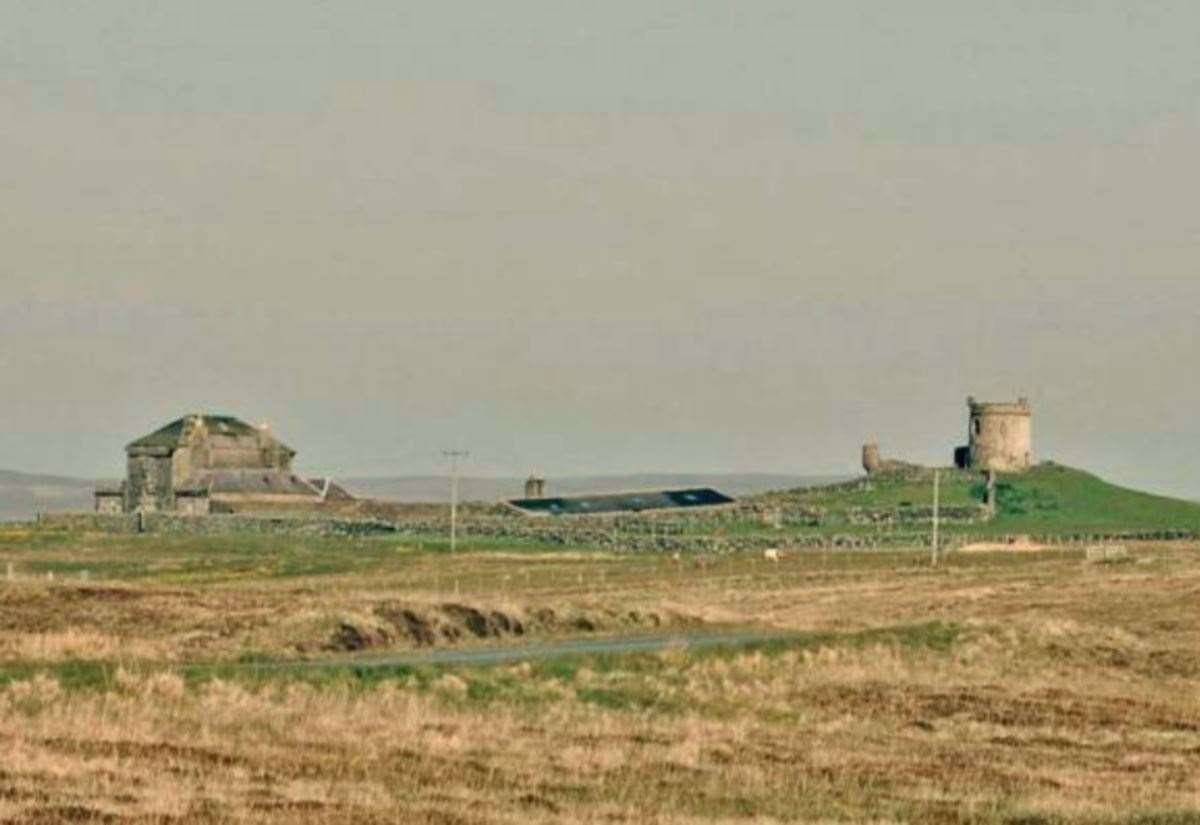
Historic Environment Scotland (HES) has expressed strong support for the proposed restoration of Brough Lodge in Fetlar, emphasizing that returning the decaying historic property to a sustainable new use would represent a “highly positive outcome.” The organization is particularly encouraged by the positive and sensitive proposals put forward to rejuvenate the main lodge building, envisioning its future as a small, four-bedroom boutique guest house. This ambitious undertaking is outlined in a recent planning application, which signals the initial phase of a comprehensive restoration effort for the A-listed Brough Lodge.
Constructed around 1825, Brough Lodge is now under the ownership of the European Heritage Project, an organization renowned for its expertise in safeguarding historic buildings. HES, the authoritative body responsible for listing buildings across Scotland, has formally responded to the listed building consent application. In its response, HES highlighted the exceptional nature of the main building, its ancillary structures, and the meticulously designed walled gardens, describing them as an “outstanding example of picturesque landscape composition.” The distinctive Gothic detailing of the structures, seamlessly integrated with an Iron Age broch and a folly acting as a central feature within the Inventory garden and designed landscape, significantly contributes to the site’s extraordinary historical and architectural significance.
A collaborative site visit involving representatives from HES, Shetland Islands Council, and the applicant’s agents took place last year, underscoring the comprehensive evaluation of the project. HES has conveyed its satisfaction with the proposed work program for this initial restoration phase. The organization acknowledges that a considerable amount of investment and new construction will be necessary to revitalize Brough Lodge and equip it for its new purpose. However, HES fully endorses this phased strategy, believing it will establish a viable long-term future for the property, ensuring its continuous care and maintenance.
HES noted that Brough Lodge has been in a “ruinous and vacant” state for decades, although essential repairs were undertaken in 2010. The ongoing challenges of water ingress and a general lack of maintenance have continued to impact the property, making the current initiative to carry out extensive repairs particularly welcome. Given the dilapidated state of the buildings, their exposed geographical location, and the broader conservation benefits anticipated from the project, HES considers interventions such as the installation of lead flashings on the parapet and a passenger lift within the building to be acceptable. Furthermore, HES specifically commended the planned reinstatement of a render finish to the external elevations, which will not only reinforce the building’s historic character but also provide crucial weathering protection for the underlying historic masonry.
The European Heritage Project acquired the property in 2023. Brough Lodge had been unoccupied since the 1980s, and prior to its sale, it was owned by the Brough Lodge Trust, which listed the estate for offers exceeding £30,000. The European Heritage Project’s impressive portfolio includes a diverse array of grand properties across central Europe, encompassing castles, palaces, churches, and urban residences, demonstrating their commitment to heritage preservation. The restoration of Brough Lodge stands as a significant step towards preserving a piece of Scotland’s rich history, transforming a derelict structure into a vibrant, functional space, and contributing to local tourism and the environment.