






Westminster is buzzing with a mixture of domestic crises and international intrigue, as Prime Minister Andy Burnham navigates a complex political landscape. A recent significant security concern emerged when Burnham reportedly engaged with messages from an individual impersonating Susie Wiles, a key adviser to Donald Trump. Four officials confirmed this to Playbook, noting that Burnham became suspicious of the contact’s authenticity. This incident raised alarms among British officials, who were concerned that the prominent Republican figure might have been compromised, prompting involvement from the embassy in Washington D.C. While Downing Street has remained tight-lipped, citing national security, an insider downplayed the exchange as “a few messages of no significance.” Nevertheless, this episode undeniably sparks questions regarding the Prime Minister’s cyber vigilance and highlights the pervasive threat of digital deception in high-stakes political communications.
The need for robust White House connections is acutely felt, particularly in light of recent geopolitical developments. Donald Trump’s latest pronouncements on Truth Social, instructing the Pentagon to reduce military exercises with South Korea due to his “very good relationship” with Kim Jong Un, underscore the unpredictable nature of international relations. Trump’s assertion that this decision was “somewhat unrelated (?)” to Seoul’s reluctance to assist with his Iranian dilemma only adds to the complexity. On a more positive diplomatic note, Burnham reportedly fostered an initial rapport with Australian Prime Minister Anthony Albanese over their shared passion for rugby league. Burnham emphasized that the sport, with its origins in class and financial disputes, is a testament to the profound friendship between their two nations, both on and off the field.
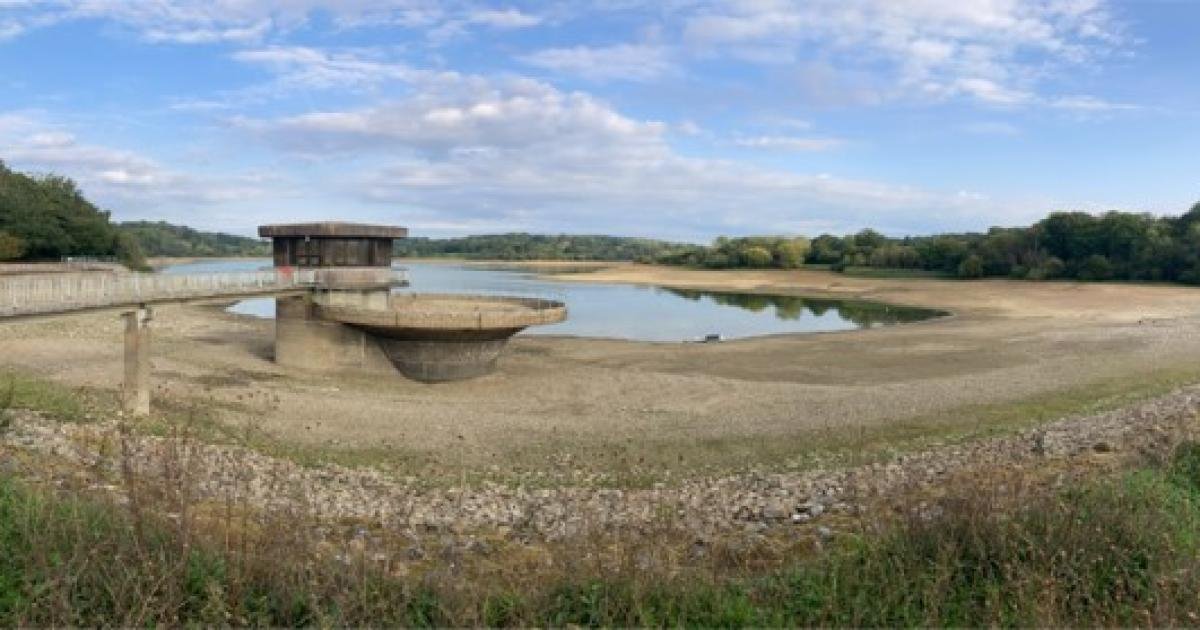
Domestically, Britain is grappling with a series of pressing issues. Despite Burnham’s efforts to pivot towards “bread and butter” concerns like transport, homelessness, and illegal waste disposal, the nation remains fixated on the escalating environmental challenges of drought, extreme heat, and wildfires. The clock is ticking for the Prime Minister to make a pivotal decision on North Sea drilling, with the consultation on the Rosebank oil and gas field closing at midnight, following last week’s conclusion for the Jackdaw field. Industry observers anticipate a decision next month, but regulatory approvals are steadily clearing the path for Energy Secretary Miatta Fahnbulleh to make a potentially controversial call.
Burnham’s public statements have hinted at a more pragmatic approach to fossil fuels. He recently suggested that accelerating their use could fund the transition to green energy, a sentiment echoed in his earlier private conversations with Donald Trump, where he promised a “pragmatic” stance on fossil fuel exploitation. Reports from The Telegraph indicate Burnham is inclined to approve Jackdaw, while Labour figures are reportedly bracing for a rejection of Rosebank. All eyes will be on Downing Street’s sole Lobby briefing of the week for any new directives on this contentious issue. The urgency is further amplified by forecasts of a sixth heatwave in September, making any delay in addressing climate concerns politically fraught.
The internal party debate within Labour on climate policy is evident, with figures like Jeevun Sandher, a PPS for Fahnbulleh, advocating for aggressive climate action. Sandher argues that fossil fuels contribute to a “burning planet” and increased living costs, asserting that net-zero policies are popular among Labour voters and create a “wedge issue” that divides the political right. This internal pressure comes as Tory leader Kemi Badenoch is reportedly preparing a significant intervention on net-zero targets later this week, indicating a brewing political battle over the future of Britain’s energy policy.
Beyond drilling, Burnham faces mounting criticism on various environmental fronts. There are discussions about potentially reducing the target for new electric vehicle sales to 50% by 2030, a substantial cut from the current 80%. Furthermore, Ofwat is considering allowing water companies to implement “surge pricing” during droughts, a move that has already sparked public outrage. Meanwhile, Housing Minister Matthew Pennycook is on the broadcast circuit to unveil new planning rules designed to accelerate house building, including fast-tracking approvals near public transport hubs and protecting pubs from conversion. Paradoxically, new builds will also be required to incorporate swift bricks for nesting birds, reflecting a small concession to ecological concerns amidst broader development plans.
The nation’s infrastructure is also showing signs of strain. The Financial Times reports that the Thames Barrier, crucial for protecting London, may need replacement two decades earlier than planned, at a cost potentially exceeding £20 billion, due to increased usage from extreme weather. In the justice system, hundreds of empty cells at the new HMP Millsike super-prison remain unused due to staffing shortages, a stark illustration of systemic issues. Legal loopholes allowing convicted sex offenders to change their identities, and controversial prison privileges for murderers, are also drawing public ire, creating a challenging environment for Justice Secretary Alex Norris.
The welfare debate continues to rage, with Reform UK making waves with a headline-grabbing announcement, despite Nigel Farage’s absence from the spotlight. Robert Jenrick, Reform’s finance spokesperson, plans to unveil a proposal to cut £50 billion from benefits, targeting disabled people and foreign nationals. This includes abolishing Personal Independence Payments (PIP) and the health element of Universal Credit for working-age adults, alongside excluding foreign nationals—even those with EU settled status—from almost all welfare claims. Such a move would necessitate renegotiating the EU withdrawal agreement, potentially triggering a trade war with Brussels and reciprocal benefit losses for British expats. This aggressive stance is already drawing sharp criticism from other parties, who label it as xenophobic, a “rehash” of Tory policies, and “fantasy economics.”
Beyond domestic policy, the political landscape is further complicated by ongoing investigations into Farage’s undeclared donations and allegations that his associate Arron Banks hired private investigators to snoop on Tory chair Kevin Hollinrake. The defection of former Tories like Danny Kruger to Reform further illustrates the shifting allegiances within British politics. Meanwhile, the Conservatives are attempting to generate their own headlines, with Shadow Communities Secretary James Cleverly pledging new police powers to crack down on unauthorized traveler sites if the party withdraws from the European Convention on Human Rights (ECHR). This declaration comes amidst internal party frustrations, with former Tory MPs like Penny Mordaunt facing significant delays in their re-selection process.
Internationally, tragic news emerged from County Kildare, Ireland, where five male teenagers died in a motorway collision involving a vehicle traveling in the wrong direction. In Brazil, President Luiz Inácio Lula da Silva has launched his campaign for a historic fourth term, facing Senator Flávio Bolsonaro, son of former President Jair Bolsonaro. Diplomatic efforts continue in the Middle East, with Tony Blair joining Donald Trump’s envoy Jared Kushner for talks with Benjamin Netanyahu aimed at advancing the Gaza peace plan, following Kushner’s rare meeting with Hamas leaders. Finally, a Telegraph investigation revealed Russia has established ten secret drone bases capable of striking NATO territory, some already targeting Ukraine, raising significant security concerns for Eastern Europe. The multifaceted challenges facing Britain, from internal political maneuvering to global security threats, underscore a period of intense scrutiny and critical decision-making for Andy Burnham’s government. The political climate remains highly charged, with domestic pressures exacerbated by an increasingly volatile international stage, all contributing to a rather hostile environment for the current administration.