








Environmental Alarm Bells Ring as Massive Solar Project Threatens Malaga’s Guadalhorce Valley
MALAGA, SPAIN – A major solar development in Malaga’s picturesque Guadalhorce Valley has ignited a fierce battle between environmental campaigners and a state-backed Austrian energy giant, with accusations of ecological destruction, land expropriation, and a shocking lack of transparency from local authorities. Campaigners are demanding an immediate halt to the project, warning it is decimating a "rich wildlife corridor" at the foot of the Sierra de las Nieves National Park.
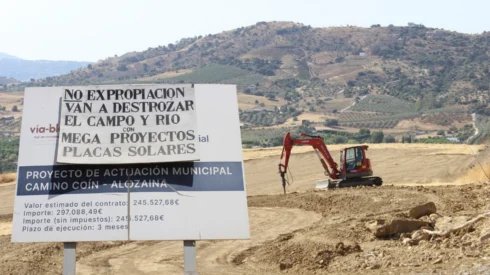
Since its inception in March, the project has progressed at an "astronomical" pace, according to a local resident who described the transformation of a "mosaic of fields" into desolate expanses of dirt. The Valle Natural Rio Grande association, at the forefront of the opposition, claims that hundreds of local landowners have faced expropriation after renewable energy infrastructure was granted "Public Utility" status. This designation, critics argue, has effectively allowed developers to acquire private land with alarming ease.
Adding to the controversy, the association alleges that the development has been pushed through using political and environmental loopholes. They point to a "jigsaw" method, where large projects are deliberately broken down into smaller installations to avoid more rigorous environmental impact assessments.
At the heart of this unfolding drama is Austrian energy giant Verbund, a company 51% owned by the Austrian government. Campaigners are particularly incensed that a foreign state-backed entity has gained access to privately owned agricultural land through Spain’s expropriation laws. "It’s undeniable that the Austrian government has expropriated Spanish people and residents here," stated Marisa Casal, a local campaigner with the Valle Natural Rio Grande association.
The frustration is compounded by what activists describe as a deliberate lack of transparency and access to information from local authorities. Casal revealed that the town hall of Coín has repeatedly refused appointments with campaigners for over a year and a half. Even more concerning, during a recent council plenary session, when association representatives attempted to raise their concerns, officials allegedly turned off the public broadcast cameras before allowing them to speak. "He allowed us to talk, but they stopped the camera. So if you now go to the link of the plenary of Coín, they literally stopped the cameras before we started talking," Casal recounted.
Jonathan, a British resident in the area, echoed the sentiment of disappointment. "That’s the real frustration… that they’ve just let it happen and they’ve kind of done it in an underhanded way." He and his wife, Mary, have witnessed firsthand the rapid degradation of the landscape surrounding their property, waking to the "woodpecker fiesta" of heavy machinery clearing and prepping land for solar panel installation.
Despite mounting public outcry, Coín mayor Francisco Santos Cantos, in a recent interview on Canal Coin, defended the town hall’s position, asserting that once declared a national interest, "there is no municipal mechanism that can stop it."
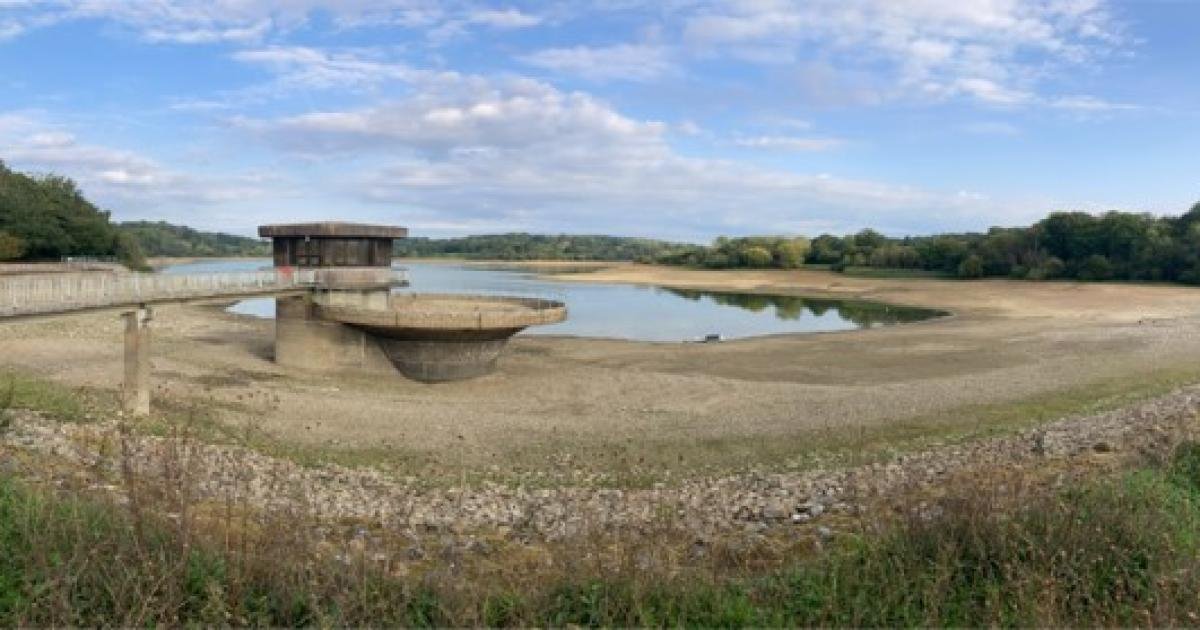
Environmentalists, however, paint a grim picture of the project’s impact on the delicate Rio Grande ecosystem. They warn that heavy machinery is stripping vital vegetation and topsoil dangerously close to the riverbed. A 2025 study from the University of Malaga further reinforced these concerns, predicting that such solar megaprojects could create a local "sacrifice zone," leading to increased temperatures, exacerbated erosion, and a staggering demand for millions of litres of water for panel cleaning.
In a bid to halt the project, the Valle Natural Rio Grande association has now escalated its challenge to a Madrid court, where it plans to present its comprehensive environmental and scientific evidence. The outcome of this legal battle will not only determine the fate of the Guadalhorce Valley but could also set a significant precedent for future renewable energy developments across Spain.