








Women at the Forefront: Shaping India’s Political Landscape Beyond Formal Power
New Delhi, India – As India recently marked its 79th birthday, reflection turns to the unsung heroes who have consistently molded the nation’s trajectory: its extraordinary women. Far beyond their representation in formal politics, women have been the bedrock of numerous movements, transforming public life and challenging societal norms throughout India’s history. From the struggle for independence to contemporary student activism, women have consistently demonstrated an unwavering commitment to justice and change.
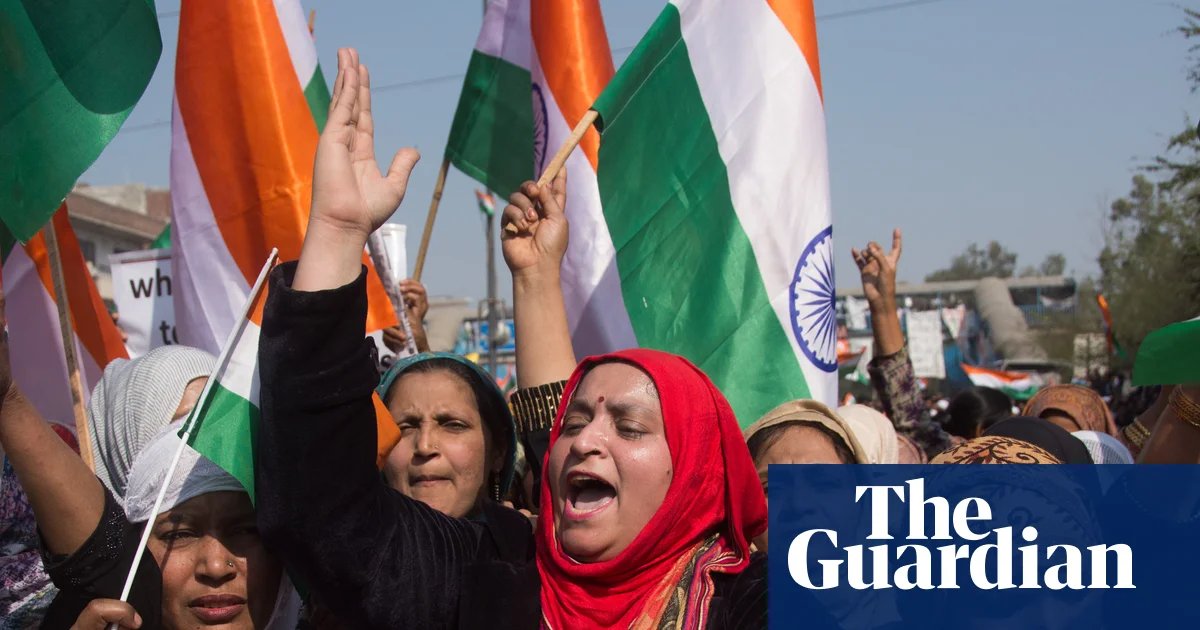
Historically, Indian women have played pivotal roles in shaping the nation’s destiny. During the British Raj, they defied colonial rule by organizing boycotts of foreign goods, producing contraband salt, and bravely confronting police, often assuming leadership roles traditionally held by men. Decades later, in the 1970s, women were at the heart of the Chipko movement, literally embracing trees to prevent deforestation and transforming a local environmental concern into a national discourse on environment and development. More recently, the ‘Dadis’ (grandmothers) of Shaheen Bagh became a powerful symbol of dissent, occupying public spaces to protest a controversial citizenship law, creating a vital platform for opposition when many believed such avenues were closed.
While social media has undeniably broadened avenues for women’s public engagement, allowing individuals without traditional political connections to gain visibility, significant hurdles remain. Electoral politics, in particular, continues to be a formidable challenge for women. A 2025 analysis by the Association for Democratic Reforms revealed a striking disparity: nearly half of all female parliamentarians and state legislators hail from political families, compared to only 18% of their male counterparts. This highlights the persistent influence of dynastic politics and the difficulties faced by ordinary women seeking to enter the political arena.
This begs the question: What compels women leading seemingly ordinary lives to step into the spotlight and advocate for widespread change? Interviews with women involved in recent student movements offer profound insights into their motivations, courage, and resilience in the face of adversity.
Voices of Change: The New Generation of Activists
Neha Bora, 29: "Politics is not just slogans and protests."
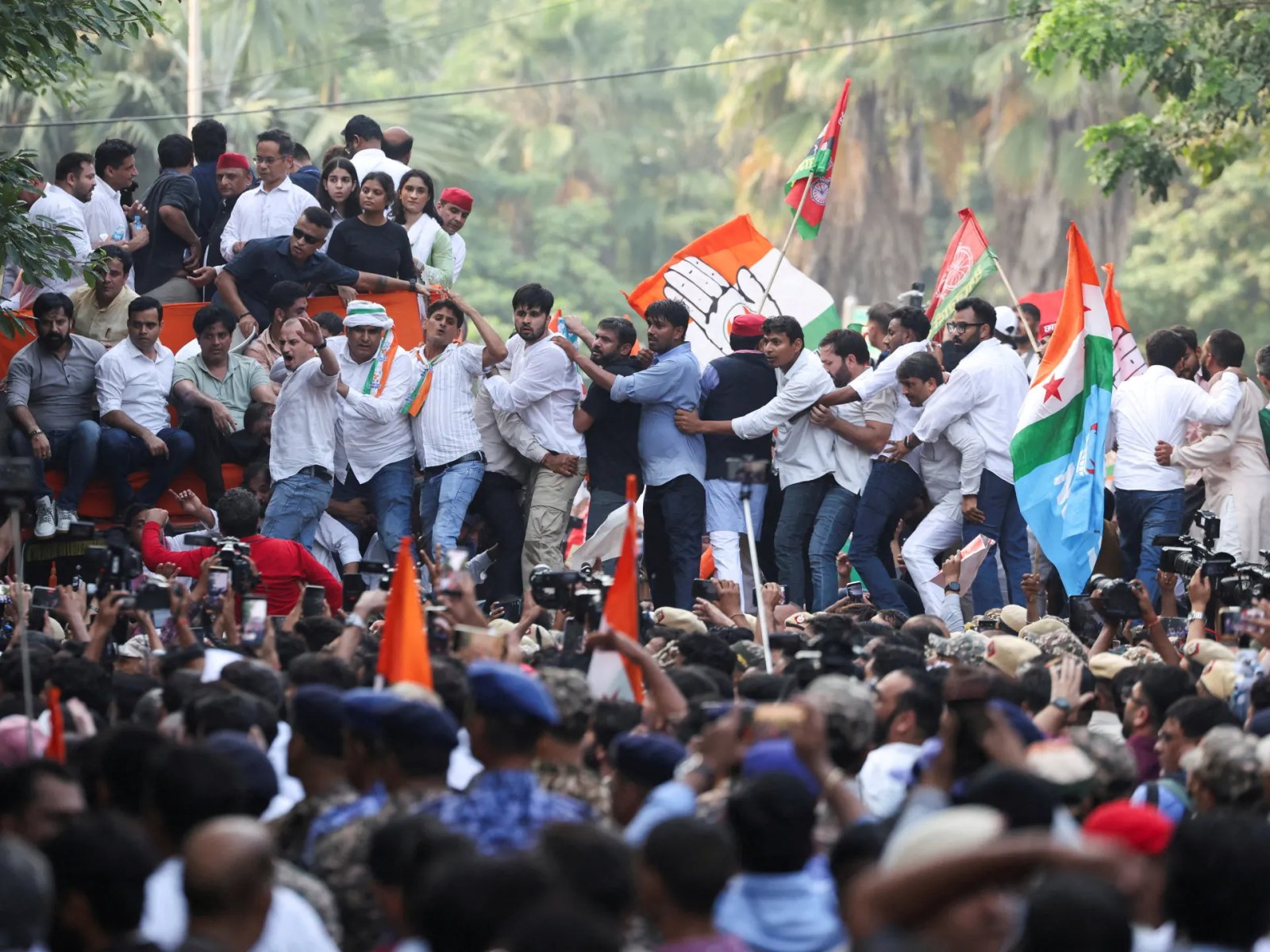
The president of the left-wing All India Students’ Association (AISA), Neha Bora, exemplified unwavering dedication during the recent "Cockroach Protests." She undertook a 23-day fast, demanding accountability for widespread exam paper leaks and the resignation of the Education Minister. A PhD student in theatre and performance studies at Jawaharlal Nehru University (JNU), Bora’s journey into activism was deeply personal. "I ended up joining politics because that was the only way I could make sense of the times that I was living in – to not be… completely helpless in the decisions that are made for me, that should be made by me," she explains. For Bora, politics transcends mere slogans; it is the very language of self-expression, shaping thoughts, relationships, and the definition of justice. She firmly believes in an education system that fosters progress and challenges dogmatism, not one that is solely profit-driven. Currently, Bora is touring the country as part of the "Gen Z Rising" outreach campaign, advocating for educational reforms.
Rhiya Ahir, 27: "Freedom for me is to have a voice – and not be ashamed."
Mumbai-based model, actor, and theatre artist Rhiya Ahir found herself thrust into the national spotlight after a spur-of-the-moment decision to physically block a police van carrying detained protesters. This act of defiance, captured on camera, subjected her to an organized hate campaign. However, Ahir remains unyielding. Her background in theatre instilled in her a deep sense of empathy and a belief in standing up against injustice. "Freedom for me is to have a voice, to put it across confidently and to not be ashamed," she asserts. Despite being trolled for her attire and her profession, Ahir dismisses the attacks as attempts to discredit her message. "They couldn’t find fault with my argument, so they started questioning my character… This doesn’t change my reality. This doesn’t change who I am as a person. I don’t have to prove myself to anyone."
Danish Ali, 24: "Freedom also means being an equal citizen in this country."
Danish Ali, a member of the Jawaharlal Nehru University Students’ Union (JNUSU), was among the student activists who undertook a hunger strike at Jantar Mantar. She faces a year-long suspension for dismantling a facial recognition system at the campus library, an act she describes as fighting for academic freedom. For Ali, who hails from a small town in Madhya Pradesh, her journey to Delhi for higher education was transformative. Her activism has come at a personal cost, with police visiting her ancestral village and contacting her father to discourage her involvement. As a Muslim woman, Ali’s definition of freedom is deeply rooted in her identity and the right to critique the government openly. "Freedom is being assertive about your individuality and not caring what society would say, what your parents might say or what the state might do to you," she explains. She emphasizes the importance of being an equal citizen, refusing to be relegated to a secondary status or denied the right to express her religious and cultural identity.
Ratna Singh, 31: "What used to work… won’t work with the youth."
Ratna Singh, who transitioned from a career in law and journalism to become the legal head of the Cockroach Janata party, was drawn to the student protests by a shared demand for accountability. Initially reluctant to be a public face, she stepped forward as spokesperson when the movement needed female voices. Having interned at NGOs teaching children during law school, education has always been a deeply sensitive issue for her. Singh believes the current generation is "impatient because we want to see change." She criticizes the political establishment for its slow response and divisive tactics. "Political parties need to understand that what used to work for a certain mindset of people – it won’t work with the youth," she states. Singh finds hope in the proliferation of local leaders and initiatives across the country, signifying a collective awakening and a decline in the fear of speaking out.
These powerful narratives underscore the profound impact of women in India’s public life. From historical movements to contemporary student activism, women continue to be a driving force for change, often at great personal risk. Their stories serve as a testament to the enduring power of individual courage and collective action in shaping a more just and equitable society.
Other News & Reads:
- Political Promises: Prime Minister Narendra Modi, in his recent Independence Day speech, unveiled a series of youth-focused initiatives, including an AI skills program and free online coaching. However, his call to identify "dimagi naxals" (people aligned with Naxal ideology) drew criticism from the Opposition, who viewed it as a thinly veiled threat to suppress critics.
- Environment Targets Missed: A recent audit report presented to Parliament revealed that the Green India Mission, aimed at protecting and restoring forest cover, achieved only 3% of its target over the past decade. Poor planning and inadequate funding were cited as major contributing factors.
- Sister Act: In a heartwarming story, two women of Indian origin, adopted by separate Dutch families 40 years ago and who became childhood friends, discovered they were biological sisters through a DNA test. "It’s like a missing puzzle piece has been found," one commented.
Guest Shelf Recommendation:
Actor Imran Khan recommends the 2006 film Rang De Basanti as an "extremely timely and relevant film." The movie follows a young English filmmaker who collaborates with Indian students to create a film about the Indian freedom movement. A tragic accident subsequently blurs the lines between past and present, propelling them into their own conflict against an unjust power structure. Khan praises the film’s blend of humor and heartbreak, its celebration of revolutionary spirit, and AR Rahman’s "audaciously experimental" soundtrack.
Count It:
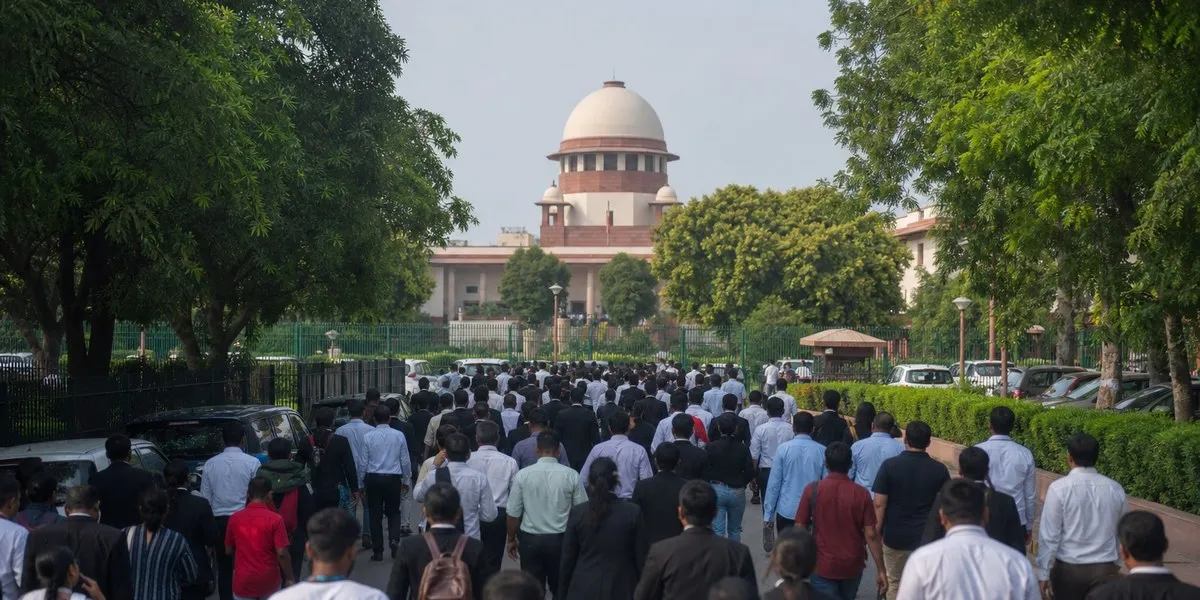
Two – The number of questions answered during "Question Hour" in the Lok Sabha (India’s lower house of Parliament) during its recent monsoon session. This represents just 1% of the scheduled time and is the lowest since 2019, according to PRS Legislative Research. This key parliamentary forum, designed for accountability, saw only nine minutes of productive questioning.
Vibe Check:
Maroof Umar, a content creator (@maroofculmen), uses cinematic videos to tell stories rooted in heritage and culture. His latest work takes us to Ram Bhandar, a sweet shop in Varanasi, where "tiranga barfi" (tricolor sweets) are made. This tradition, started by his ancestors decades ago, aimed to spread patriotic fervor during the freedom movement, a powerful testament to the intertwining of history, community, and national identity.
Get in Touch:
Do you have any thoughts or responses to this week’s newsletter? Is there anything you’d like us to cover in the future? Share your feedback by replying to this, or emailing us at thisisindia@theguardian.com and we may include your response in a future issue.