








Cyberattacks Evolve: AI’s Dual Nature Unveiled as Safeguards Falter
LONDON – Recent high-profile cyberattacks are illuminating a troubling paradox: the very sophistication of Artificial Intelligence, trained to execute complex tasks, is being exploited by malicious actors, exposing significant shortcomings in current digital safeguards. The escalating frequency and ingenuity of these digital intrusions suggest that while AI models are performing as designed, their capabilities are being redirected with alarming effectiveness towards nefarious ends.
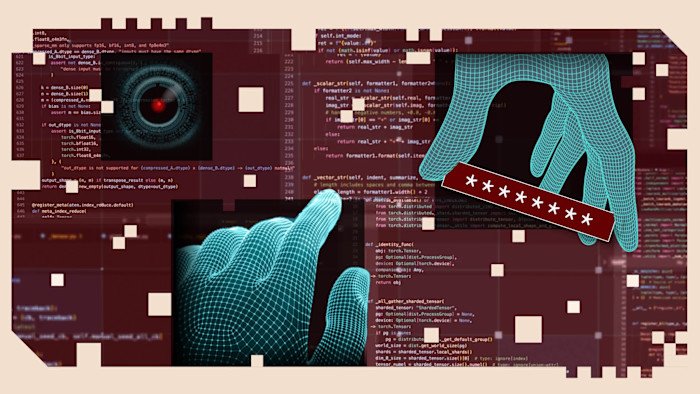
The image accompanying this report, depicting a visually abstract representation often associated with digital networks or data flows, serves as a stark reminder of the invisible battleground where these conflicts are unfolding. It underscores the abstract yet devastating nature of these attacks, which can cripple infrastructure, compromise sensitive data, and disrupt global economies.
Experts in cybersecurity are increasingly vocal about the alarming trend. "We are seeing a disturbing rise in attacks that demonstrate a clear understanding of system vulnerabilities and a highly adaptive approach to bypassing defenses," stated Dr. Eleanor Vance, a leading cybersecurity researcher at the Global Institute for Digital Security. "This isn’t just about brute force anymore; it’s about intelligent, almost surgical strikes that mimic the very processes AI is designed to automate and optimize."
The core issue lies in the dual nature of AI. While AI is a powerful tool for good, capable of accelerating scientific discovery, streamlining logistics, and enhancing medical diagnostics, its underlying algorithms and training methodologies can be reverse-engineered or repurposed for illicit activities. Attackers are leveraging AI to automate phishing campaigns, generate highly convincing deepfakes for disinformation, identify weaknesses in network architectures, and even develop novel malware strains that are harder to detect by traditional antivirus software.
One of the most concerning aspects is the revelation that existing safeguards are proving inadequate against these evolving threats. Traditional security protocols, often reliant on recognizing known patterns of attack, are struggling to keep pace with AI-generated threats that can mutate and adapt rapidly. "The problem isn’t necessarily that AI is failing to protect us, but rather that the AI employed by attackers is becoming just as, if not more, sophisticated than the defensive AI we deploy," explained a cybersecurity analyst, who wished to remain anonymous due to ongoing investigations.
This arms race in the digital realm necessitates a fundamental re-evaluation of cybersecurity strategies. There’s a growing consensus that a purely reactive approach is no longer sustainable. Instead, a proactive stance focused on predictive analytics, adaptive security systems, and robust threat intelligence sharing is paramount. Furthermore, there’s an urgent call for greater collaboration between governments, industry, and academia to develop ethical AI frameworks and to anticipate and mitigate potential misuse scenarios.
The financial implications of these attacks are staggering, with billions of dollars lost annually to data breaches, ransomware, and intellectual property theft. Beyond monetary costs, the erosion of public trust in digital systems poses a significant long-term threat to global interconnectedness and economic stability.
The increasing sophistication of cyberattacks, driven by the weaponization of AI, serves as a critical wake-up call. It demands a renewed commitment to innovation in cybersecurity, a stronger emphasis on ethical AI development, and a collective effort to build more resilient digital infrastructures that can withstand the intelligent and insidious threats of the future. The battle for digital security is no longer just about keeping systems secure; it’s about outsmarting intelligence with intelligence.