








India Intensifies Push for Piped Cooking Gas Amidst Global Supply Volatility
NEW DELHI (Reuters) – In a strategic move to bolster energy security and mitigate the impact of volatile international fuel markets, India has unveiled a significant incentive scheme aimed at accelerating the adoption of piped cooking gas (PNG) across its urban centers. The initiative, announced by the government on Tuesday, comes as the ongoing U.S.-Iran conflict continues to disrupt global fuel shipments and drive up import costs for the world’s second-largest liquefied petroleum gas (LPG) importer.
The new program, effective from September, is designed to incentivize city gas distribution (CGD) companies to expand their PNG networks and convert more households to this cleaner and more stable energy source. Under the scheme, CGD companies will receive an additional 200 standard cubic meters of cheaper, domestically produced gas for every new household they successfully connect and bring into active usage of PNG. This bonus allocation of domestic gas is expected to significantly reduce overall gas-sourcing costs for distributors.
The Ministry of Petroleum and Natural Gas stated that this incentive is crucial for encouraging CGD companies to turn currently unused pipe connections into active, paying customers. Furthermore, it aims to spur the expansion of pipeline infrastructure to reach previously underserved households, thus broadening the reach of PNG.
The government projects that this enhanced incentive structure will dramatically improve the financial viability of new connections. Distributors are now expected to recoup their initial investments in new PNG connections in approximately three years, a stark improvement from the current average of around ten years. This accelerated return on investment is anticipated to encourage more aggressive expansion and greater capital deployment into PNG infrastructure.
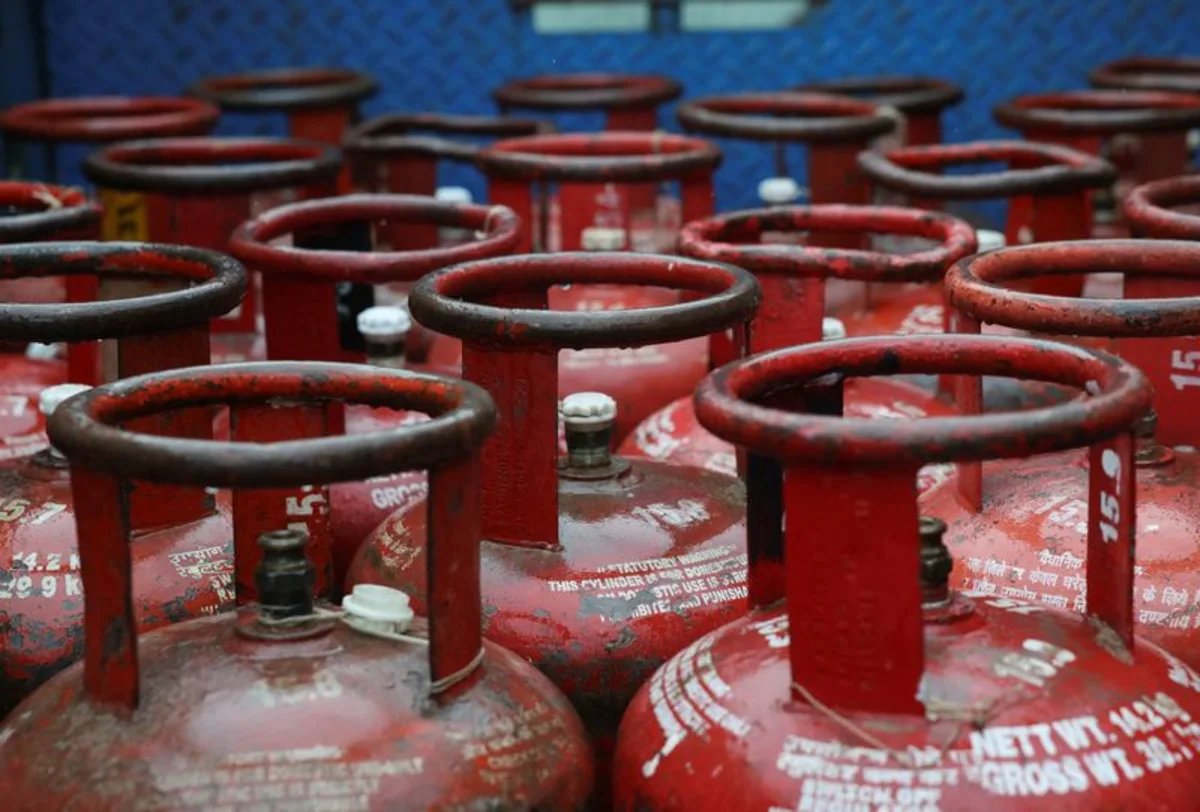
This push for piped gas is not a new development but has gained significant urgency due to the global cooking gas crisis exacerbated by the Middle East conflict. India has long grappled with a substantial reliance on LPG imports, and the current geopolitical landscape has highlighted the need for greater energy independence and reduced susceptibility to international price fluctuations. By encouraging the shift to PNG, the government aims to curb LPG imports and consequently decrease its substantial expenditure on LPG subsidies.
Several major suppliers, including Indraprastha Gas, Mahanagar Gas, GAIL Gas, and Bharat Petroleum Corp, have already begun offering their own incentives to consumers, such as reductions in installation charges for new piped gas connections. These efforts, combined with the government’s new scheme, are expected to create a powerful impetus for change in the domestic cooking fuel landscape.
Despite these efforts, the transition remains a significant undertaking. As of Tuesday, India has approximately 17.4 million domestic PNG connections. This figure pales in comparison to the estimated 331.4 million active household LPG customers recorded on July 1, underscoring the scale of the challenge and the vast potential for growth in the PNG sector.
India meets approximately 60% of its LPG needs through imports, having shipped in about 22 million metric tons of LPG in 2025, primarily from the Middle East. This translated to an import bill of nearly $12 billion, highlighting the considerable economic benefit of reducing reliance on imported LPG. The government’s strategic shift towards PNG aims to reduce this dependency, enhance energy security, and provide a more stable and affordable cooking fuel option for its citizens.
(Reporting by Chris Thomas in Mexico City; Editing by Diti Pujara)