









Sitharaman Urges Public Sector Banks to Cultivate Lifelong Relationships with India’s Youth
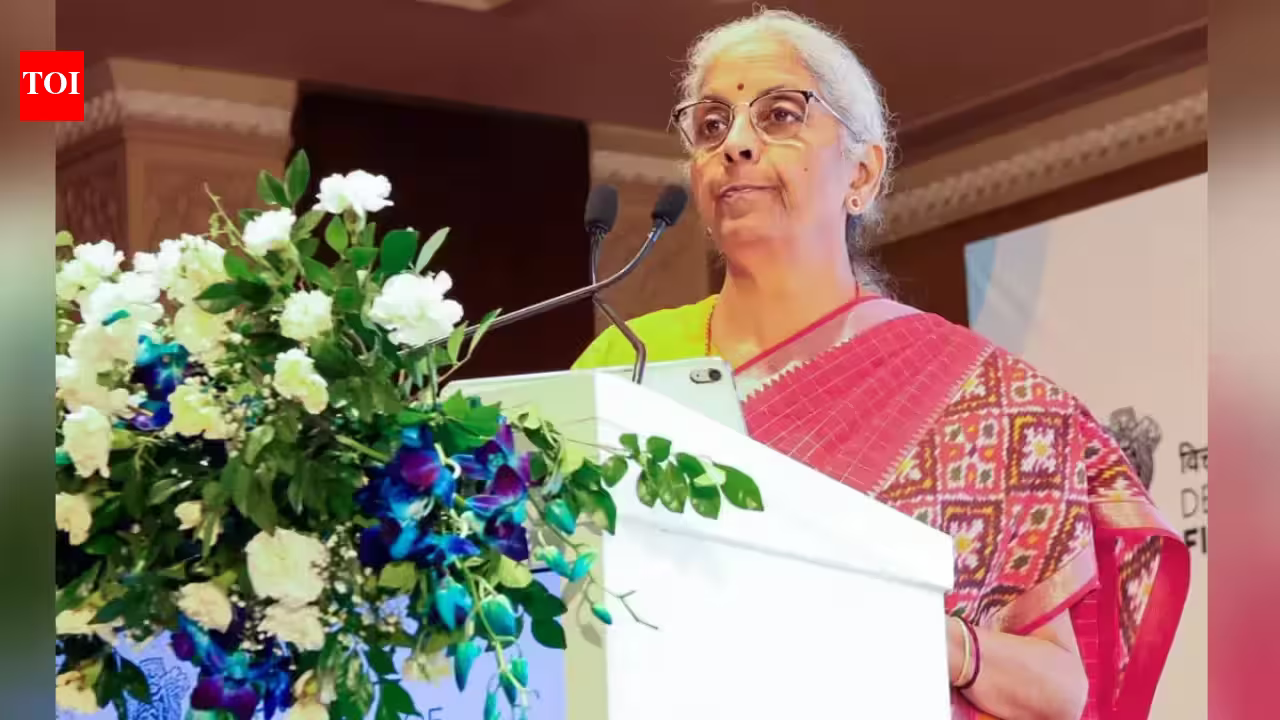
NEW DELHI: Union Finance Minister Nirmala Sitharaman has called upon public sector banks (PSBs) to fundamentally shift their approach, urging them to adopt a comprehensive "lifecycle" strategy to engage with India’s vast youth demographic. Speaking at the concluding session of a two-day PSB Conclave on Tuesday, Sitharaman emphasized the need for these state-owned lenders to become the preferred financial partners for individuals at every stage of their lives, from their formative years on campus to their professional careers and beyond.
The Finance Minister highlighted a critical gap, noting that while PSBs have historically struggled to attract younger generations who often gravitate towards more agile private sector players, there is an immense opportunity to build trust and loyalty from an early age. "Somebody who enters the bank as a young person… you have to build a relationship for his entire life," Sitharaman stated. "So, you have to have products, which are going to be given to them at different stages in their lives so that the individual thinks that for every banking solution… I have a bank already. It shouldn’t be that the (bank) is good for home loans, but it’s not good otherwise."
To kickstart this initiative, Sitharaman instructed the 12 state-run lenders to launch a dedicated, month-long "Banking for Youth" campaign, commencing on October 2nd. This campaign will specifically target individuals above 16 years of age, aiming to integrate them into the formal banking system and educate them on essential financial concepts.
The core of Sitharaman’s vision is to embed PSBs into the fabric of young Indians’ financial lives right from the beginning. She explained that by actively reaching out to young people through colleges, universities, and skilling institutions, banks can not only introduce them to banking but also raise awareness about crucial aspects like credit scores, various bank credit products, and government credit schemes.
"A banking relationship established between ages 16 and 18 can deepen over decades as a young person moves through education, employment, entrepreneurship, home ownership, investment and wealth creation," Sitharaman asserted. She underscored her ambition for PSBs to become "the first and most trusted choice of young Indians."
Acknowledging the digital native nature of Generation Z, the Finance Minister stressed that young people expect banking services to be "simple, intuitive, personalised and available around the clock." To cater to these expectations and attract this tech-savvy demographic, Sitharaman suggested that banks could go beyond traditional financial products. She proposed complementing banking propositions with lifestyle-linked benefits, such as "coupons/vouchers for fitness centres, yoga centres and credible mental wellness platforms." This innovative approach aims to integrate banking with the holistic well-being and interests of young customers.
Beyond the youth, Sitharaman emphasized that this "lifecycle" approach should extend to all customers. She urged institutions to develop a deeper understanding of their clientele, anticipating their evolving financial requirements over time. "A young student becomes an employee or entrepreneur. A micro enterprise can grow into a small and then a medium enterprise. A depositor can become an investor and a wealth-management customer," she illustrated, emphasizing that "banks should be able to accompany customers through these transitions."
Finally, the Finance Minister also highlighted the importance of addressing emerging gaps within Priority Sector Lending (PSL). She stressed that the success of PSL should not be solely measured by numerical targets but by ensuring that credit is "timely, adequate and productive," truly serving its intended purpose in fostering inclusive growth. This comprehensive set of directives signals a strategic push by the government to revitalize public sector banks and ensure their relevance in an evolving financial landscape.