









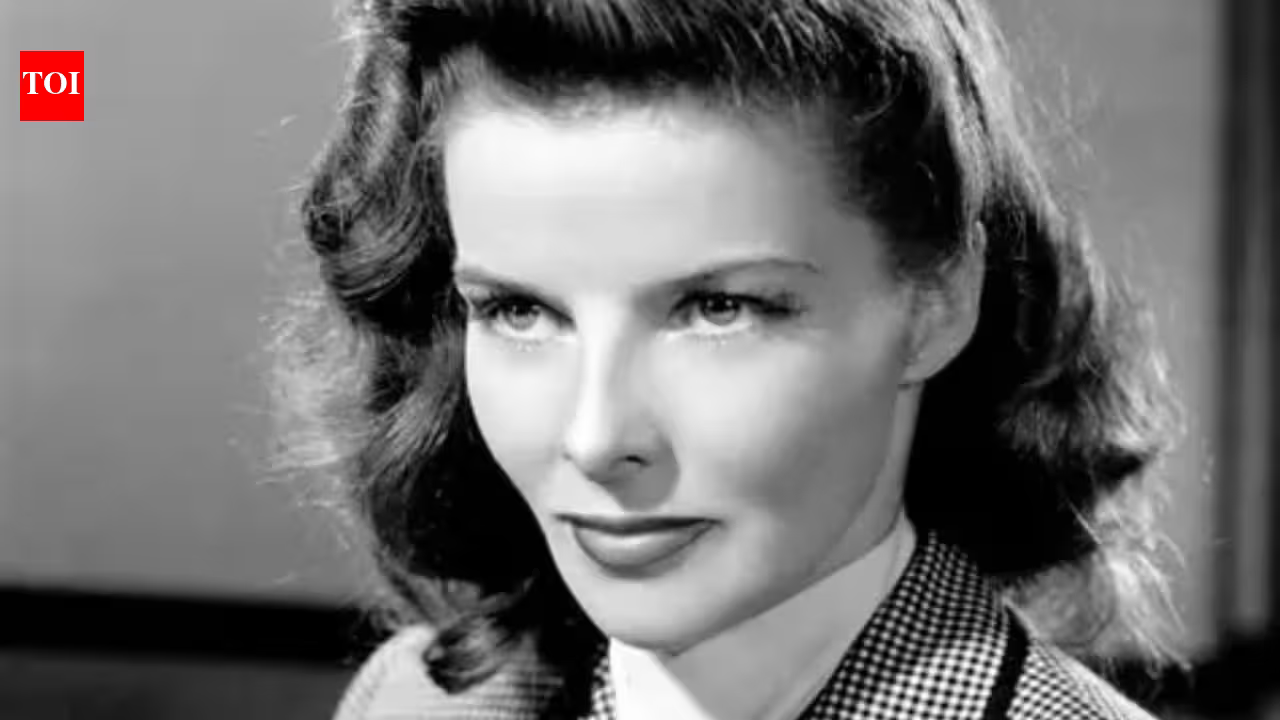
Katharine Hepburn’s Enduring Wisdom: Taking Charge of Your Own Destiny
Hollywood icon Katharine Hepburn, a titan known for her fiery spirit and independent streak, continues to resonate with audiences decades after her passing. A recently resurfaced quote from her 1991 memoir, ‘Me: Stories of My Life,’ serves as a powerful reminder of the paramount importance of personal accountability and agency in navigating life’s challenges.
The quote, a sharp critique of what Hepburn viewed as a pervasive "victim mentality," reads: "We are taught you must blame your father, your sisters, your brothers, the school, and the teachers—but never blame yourself. It’s never your fault. But it’s always your fault, because if you wanted to change, you’re the one who has got to change.”
This profound statement, highlighted in a recent feature, encapsulates Hepburn’s philosophy of self-reliance and the active pursuit of solutions rather than dwelling on external blame. It directly challenges the societal tendency to seek excuses for our circumstances in external factors like upbringing, relationships, or educational experiences. While acknowledging that past traumas or unfair circumstances may not be our fault, Hepburn’s message unequivocally places the responsibility for managing one’s present and future squarely on the individual.
Hepburn’s own life serves as a vivid testament to these words. Despite facing significant hurdles and sexism in a male-dominated Hollywood of her era, she consistently took charge of her career and personal life, refusing to be defined by setbacks. Her initial struggles in the film industry, including being fired from multiple theatrical productions, did not deter her. Instead, she actively sought solutions, honed her craft, and ultimately forged a legendary career spanning over six decades and more than 50 acting credits. Her remarkable comeback with "The Philadelphia Story," after a string of box office disappointments, perfectly illustrates her unwavering commitment to taking accountability and driving her own destiny.
Born on May 12, 1907, in Hartford, Connecticut, Katharine Houghton Hepburn was raised with a strong emphasis on independence and fearlessness. This upbringing, coupled with her personal experiences, including a period of withdrawal after the tragic passing of her brother, shaped her resilient character. It was at Bryn Mawr College, where she pursued her education after a hiatus, that her passion for acting blossomed through school theater productions.
Her journey to Hollywood began in 1932 with her debut in "A Bill of Divorcement," which catapulted her to overnight stardom. Subsequent roles in films like "Morning Glory" (for which she won her first of four Academy Awards) and "Spitfire" solidified her status as a formidable talent. Even when her career faced downturns, she famously bought back the rights to "The Philadelphia Story," ensuring her triumphant return to the silver screen and further cementing her reputation as an astute and independent force in the industry.
Hepburn’s message, as potent today as it was when first penned, reminds us that while we may not control the origins of our problems, we possess the power to control our reactions and actively seek solutions. To "sit down and wait for the world or other people to change on your behalf is an invitation to failure," as the essence of her quote suggests. Her legacy extends beyond her cinematic achievements; it’s a powerful call to embrace personal responsibility, cultivate resilience, and ultimately, be the architects of our own lives.