








Prosecutors Push for Harsher Sentence in "Mushroom Murders" Appeal, Arguing Life Imprisonment Insufficient
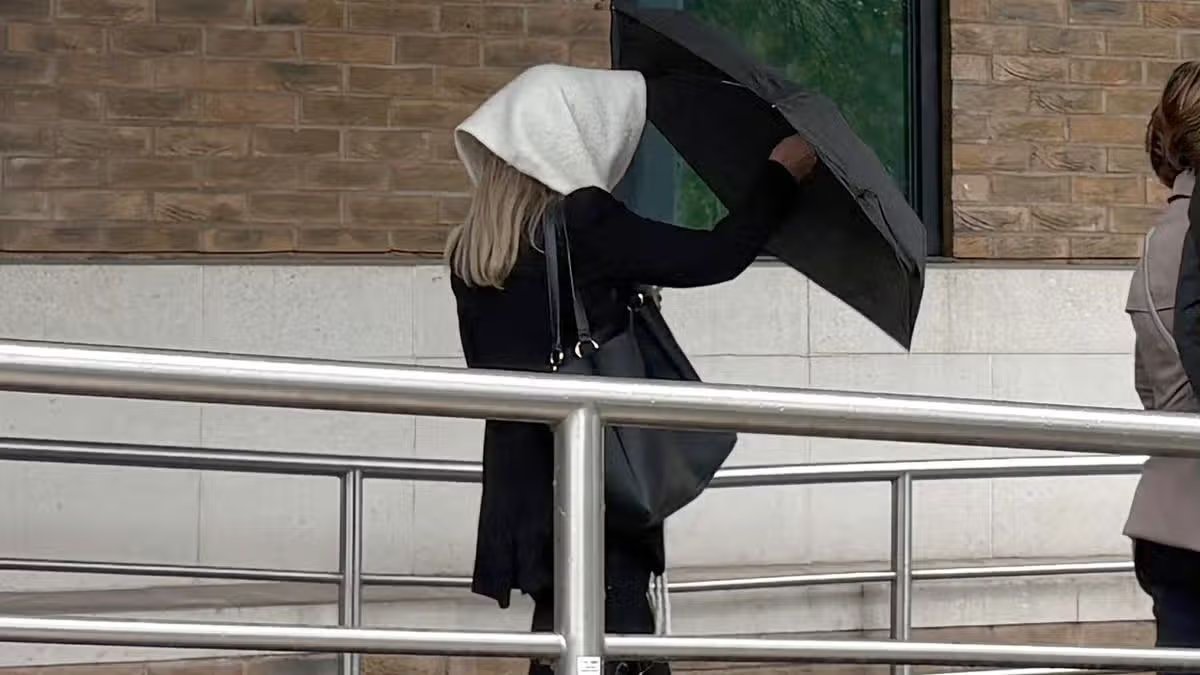
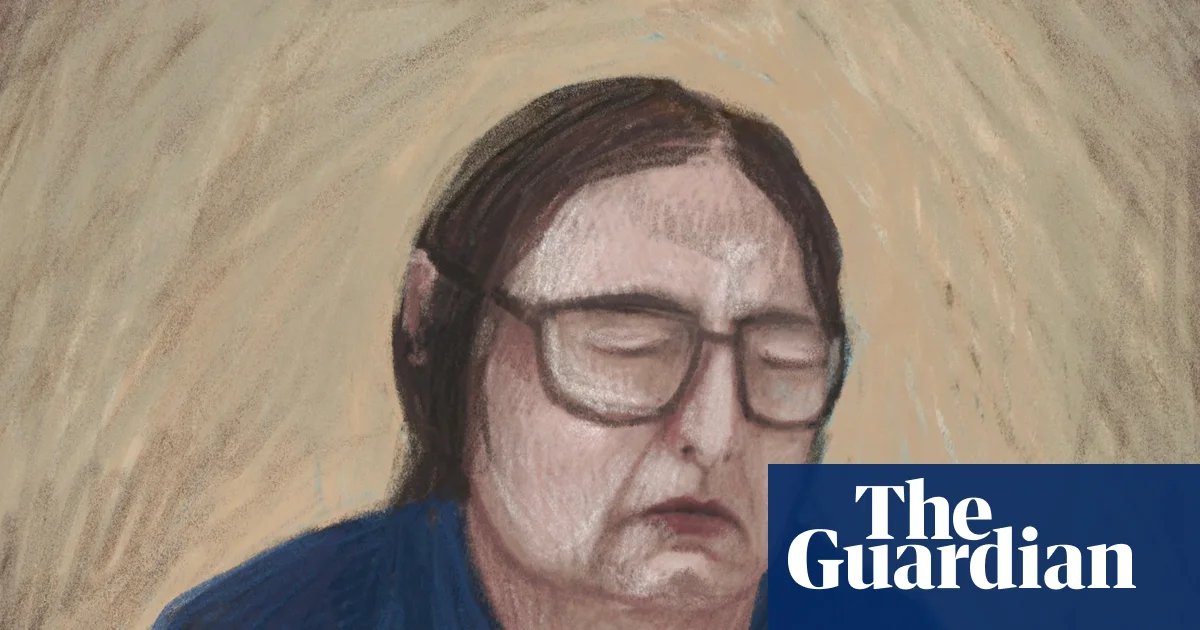
Melbourne, Australia – The Victoria Court of Appeal is grappling with a high-stakes legal battle surrounding the sentencing of triple murderer Erin Patterson, 51, convicted in the infamous "mushroom murders" case. While Patterson herself is appealing her convictions, the Director of Public Prosecutions (DPP) is simultaneously arguing that her current life sentence, with a non-parole period of 33 years, is "manifestly inadequate" and should be significantly extended, potentially ensuring she dies behind bars.
Patterson was found guilty in September of the murders of her estranged husband’s parents, Don and Gail Patterson, and his aunt, Heather Wilkinson, following a lunch containing deadly mushrooms. She was also convicted of the attempted murder of Heather’s husband, Ian Wilkinson, the sole survivor of the meal, who spent weeks in hospital battling for his life.
Brendan Kissane KC, representing the DPP, contended that despite Patterson being in her 80s by the time she would be eligible for parole, the sentence was still too lenient for the gravity of her crimes. He asserted that the sentencing judge, Justice Christopher Beale, erred in considering Patterson’s likely solitary confinement as a mitigating factor that made her imprisonment more onerous than for other inmates.
When pressed by Justice Lesley Taylor on whether a longer non-parole period would effectively condemn Patterson to dying in prison, a scenario she described as having "some artifice of it being life with life," Kissane acknowledged the "harsh aspect" but insisted it was outweighed by the "seriousness of the offending." The DPP’s appeal seeks to have Patterson resentenced without any non-parole period, or failing that, to impose a substantially longer one. "It was not open to his honour to fix a non-parole period in this case, where it involved three murders, one attempted murder, and significant circumstances of aggravation," Kissane stated.
However, Richard Edney, representing Patterson, defended the original sentencing, arguing that his client was indeed being held in effective solitary confinement, spending 22 to 23 hours daily in a four-by-two-meter cell. Edney praised Justice Beale’s "impeccable" reasoning, describing it as "a model of clarity and clear exposition of the reasoning process," which "balanced in a sophisticated way the clear, competing considerations." He concluded, "The sentencing judge did everything right in this complex sentencing exercise."
The high-profile hearing also saw the continuation of arguments regarding Patterson’s own bid to overturn her convictions. Crown prosecutor Jeremy McWilliams urged the court to reject all seven of Patterson’s grounds for appeal, asserting that the prosecution’s case was "overwhelming" and that convictions were "inevitable based on the evidence."
Patterson’s appeal grounds include claims of irregular jury sequestering, improper inclusion of cell tower evidence and death cap mushroom sightings, and unfair cross-examination and closing address by the prosecutor. She also argued that evidence from her Facebook conversations was misused to imply a motive, despite the prosecution simultaneously telling the jury there was no motive.
McWilliams systematically addressed these claims, stating many lacked substance and were not raised by Patterson’s lawyers during the original trial. He dismissed the suggestion of her having an "innocent" interest in foraging mushrooms, noting a lack of supporting witness testimony. Regarding the criticism of prosecutor Nanette Rogers SC’s cross-examination, McWilliams maintained it was conducted "thoroughly and with a ‘duty of fairness’," with interventions from the trial judge when necessary. He controversially labeled one of the appeal grounds, concerning Rogers’ closing address, as a "Frankenstein" of a ground for "bundl[ing] up" unrelated matters.
Ian Wilkinson, the lone survivor of the deadly lunch, was present in court, while Erin Patterson observed the proceedings via video link from the Dame Phyllis Frost Centre, Victoria’s women’s prison.
Justices Lesley Taylor, Stephen McLeish, and Justice Peter Kidd have reserved their decision on both appeals, leaving the final chapter of this tragic and complex legal saga to unfold. The outcome will not only determine Erin Patterson’s fate but also set precedents for sentencing in severe cases of multiple homicides in Victoria.