







The Great Debate: Are Rewilding Efforts to Blame for Surging Wildfires?
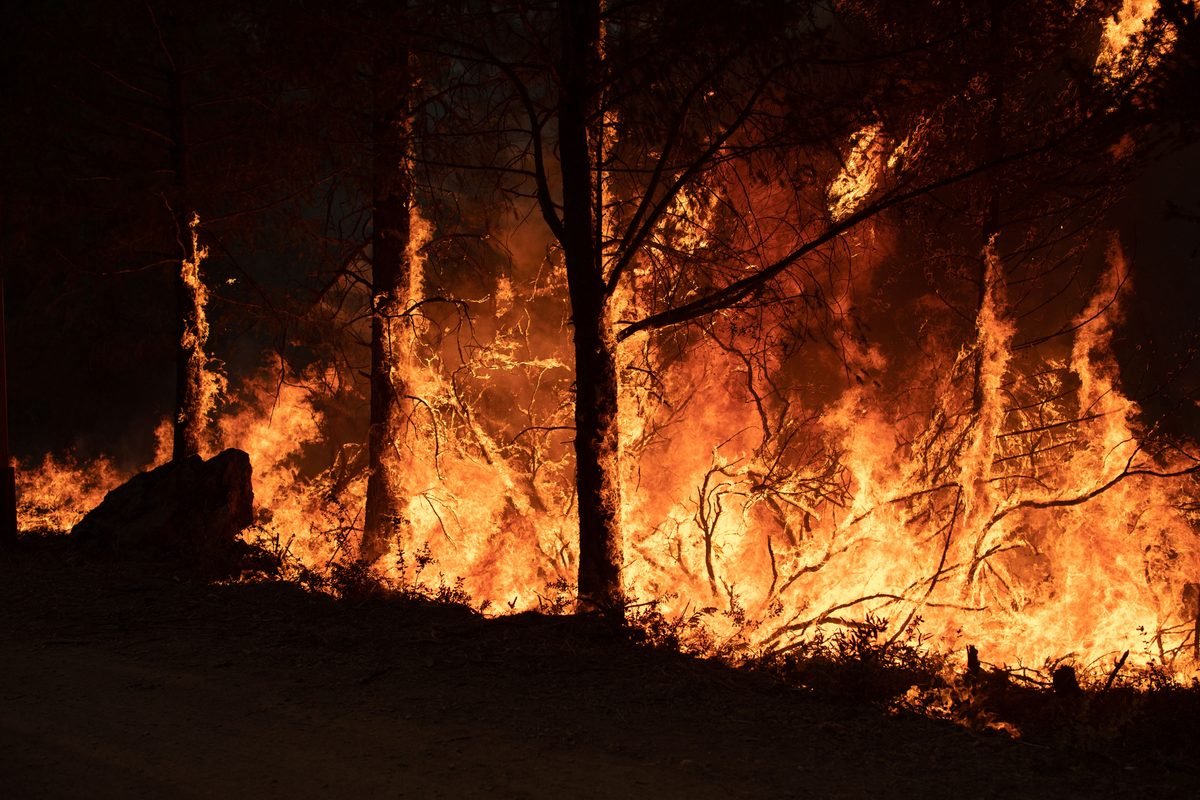
As record-breaking heatwaves fuel an unprecedented surge in wildfires across the globe, a heated debate has emerged in the United Kingdom over the root causes of the blazes. With over 1,000 fires reported across the UK between May and August 2026 alone, critics and conservationists are clashing over whether modern nature restoration—known as rewilding—is a catalyst for disaster or a vital defense against a changing climate.
The Argument Against Rewilding
The tension hit a boiling point on August 13, 2026, when The Daily Mail ran a front-page headline asserting a "Rewilding link to record fires." The report echoed concerns from prominent rural advocacy groups, including the Moorland Association and the Countryside Alliance, as well as high-profile figures like Lord Botham.
The core of the argument, as articulated by Andrew Gilruth, chief executive of the Moorland Association, is that reduced vegetation management can lead to vast, uninterrupted expanses of dry organic matter. "Reduced vegetation management [due to rewilding] can leave large, continuous expanses of dry vegetation without effective firebreaks," Gilruth noted in a letter to the Prime Minister. Proponents of traditional methods, such as ‘muirburn’—the prescribed burning of moorland—argue that creating a mosaic of vegetation ages is essential to slowing the progress of flames.
This sentiment has international echoes; in the United States, President Trump recently accused Canadian authorities of "wilful negligence" in forest maintenance following the arrival of wildfire smoke in the U.S.
Resilience and the "Tinderbox" Counter-Argument
Ecologists and conservation organizations, however, have strongly pushed back against the narrative that wilder landscapes are more dangerous. Rebecca Wrigley, chief executive of Rewilding Britain, dismissed the claims as "nonsense," arguing that the focus should be on the long-term benefits of restoring natural ecosystems.
"Our survival depends on a wilder Britain, which will provide us with wetter land, cooler space, cleaner water and air, and a more resilient, safer place to live," Wrigley stated. She further contended that decades of intensive land management—including drainage and commercial timber plantations—have created the real tinderboxes of the countryside. "An obsession with an unnaturally tidy landscape has created hyper-flammable monocultures," she added.
Government officials have largely aligned with this view. A spokesperson for the Department for Environment, Food and Rural Affairs (Defra) emphasized that peatland restoration is the most sustainable way to manage fuel loads. "Wetter, healthy-functioning peatlands hold more water in the landscape for longer and are more resilient to the impacts of wildfire," the department noted.
Looking at the Data
Evidence from recent fire events challenges the idea that rewilding is a primary culprit. Serious wildfires have occurred in areas with no history of rewilding, including intensive commercial timber plantations in France and managed grasslands in the UK, such as the destructive fire near a golf course in Stourbridge.
The Gwent Wildlife Trust points out that the human factor is the most significant variable, noting that 85–90% of wildfires are sparked by human activity, such as discarded cigarette butts, campfires, or litter. Nature reserves often suffer because they provide popular open access to the public.
Furthermore, the scale of rewilding is often overstated in the debate. Rewilding Britain estimates that less than 1% of the country’s land is currently being actively rewilded, while 11% remains categorized as traditional mountain, moorland, or heath.
As climate change continues to increase the frequency of extreme heat, the debate over rewilding and land management remains a critical intersection of policy, ecology, and public safety. While traditionalists argue for more intervention, many scientists suggest that the path toward a safer future may involve letting nature recover its own natural fire-resilience.