








Pixel 11 Pro XL Benchmarks: Tensor G6 Shows Promise, Yet Performance Gap Persists
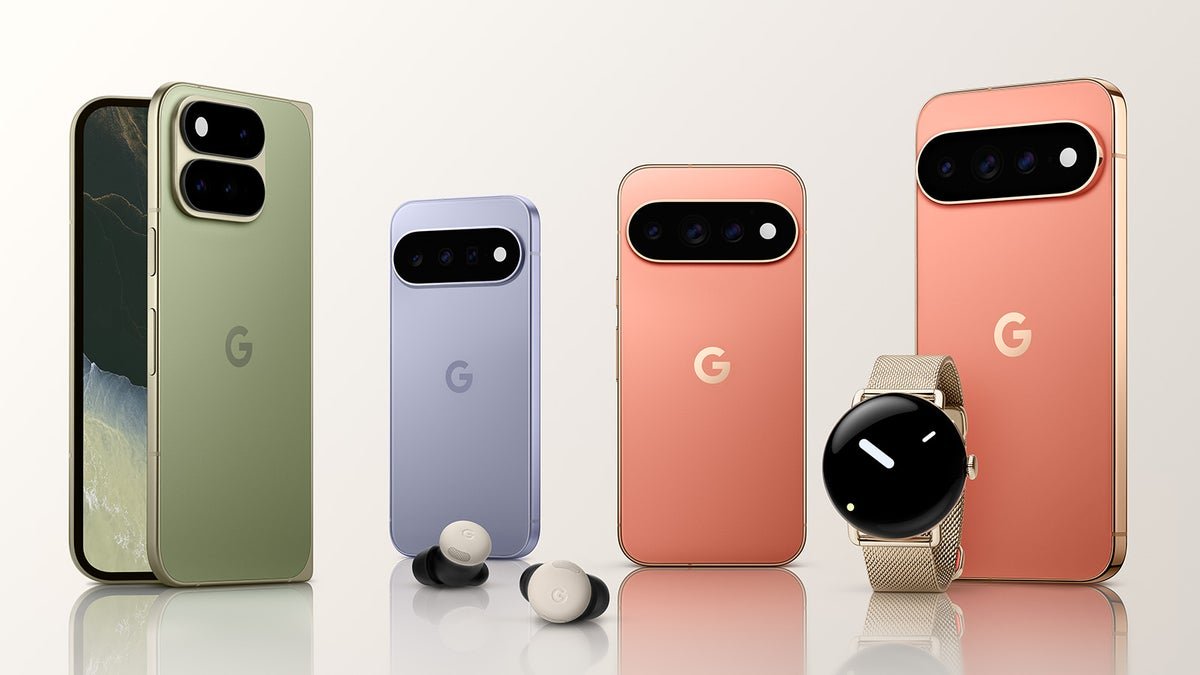
The race for mobile processor supremacy continues to heat up, and new performance data for Google’s upcoming flagship has provided a clearer picture of where the company stands. Early testing of the Pixel 11 Pro XL has surfaced, offering an intriguing look at the capabilities of the next-generation Tensor G6 chipset.
Incremental Gains in Processing Power
According to the latest benchmark results, the Tensor G6 represents a meaningful step forward for Google’s custom silicon. The internal testing reveals a 20% improvement in CPU performance compared to previous iterations. This boost suggests that the Pixel 11 Pro XL will feel more responsive in day-to-day tasks, such as multitasking, app launches, and navigating the Android interface. Google’s focus on integrating machine learning and AI-driven background processes continues to be a cornerstone of the Tensor experience, and the improved CPU clock speeds should allow for smoother execution of these background operations.
The Challenge of Competition
Despite the 20% performance leap, the data highlights a sobering reality for Google: the performance chasm between Tensor and its primary competitors remains significant. Benchmarks indicate that, while Google is closing the efficiency gap, industry leaders—specifically Qualcomm’s Snapdragon series and Apple’s A-series silicon—continue to pull ahead in raw throughput.
The most notable disparity appears in graphics-intensive workloads. While the Tensor G6 is more than capable of handling everyday mobile tasks and Google’s suite of smart features, it still struggles to keep pace with the peak gaming performance offered by the latest flagship chips from Qualcomm. For mobile gamers looking for high frame rates and sustained graphical fidelity, the current architecture of the Tensor line still trails behind the performance-oriented designs favored by the competition.
Is Strategy Shifting?
For years, Google has maintained that its Tensor project is not about winning synthetic benchmark wars, but rather about optimizing the user experience around AI, photography, and voice recognition. However, as mobile games become increasingly demanding and AR (Augmented Reality) features become more prominent, the pressure on Google to provide higher-tier graphical power is mounting.
As the Pixel 11 Pro XL moves closer to its commercial release, it remains to be seen whether Google will prioritize further optimization to narrow this gap or continue doubling down on its unique approach to specialized AI hardware. While the Tensor G6 is undoubtedly the most powerful chip Google has produced to date, the industry’s top tier continues to set a high bar that the Pixel series has yet to clear.