







The Fighting Game Genre Faces an Identity Crisis: A Year of Missed Opportunities and Market Stagnation
The landscape of modern fighting games is currently experiencing a turbulent shift that has left both developers and players questioning the genre’s long-term sustainability. Following a year of high-profile project failures and rocky launches, the momentum that once seemed to be fueling a new "golden age" for the FGC (Fighting Game Community) has hit a significant wall.
The latest blow came yesterday when Riot Games officially announced the end of active development for 2XKO, its highly anticipated League of Legends fighting game. This decision arrived just one year after its console launch and less than a month after the studio enacted a round of staff layoffs that had already signaled trouble for the project. While 2XKO possessed a solid gameplay foundation, it ultimately became a casualty of a company that appeared unable—or unwilling—to provide the necessary resources to nurture its potential.
A Year of Broken Promises
For many fans, the state of the 2026 fighting game calendar is a bitter disappointment. What was expected to be a diverse array of fresh, competitive titles has instead become a cautionary tale of execution errors and industry instability.
The industry’s woes aren’t limited to a single title:
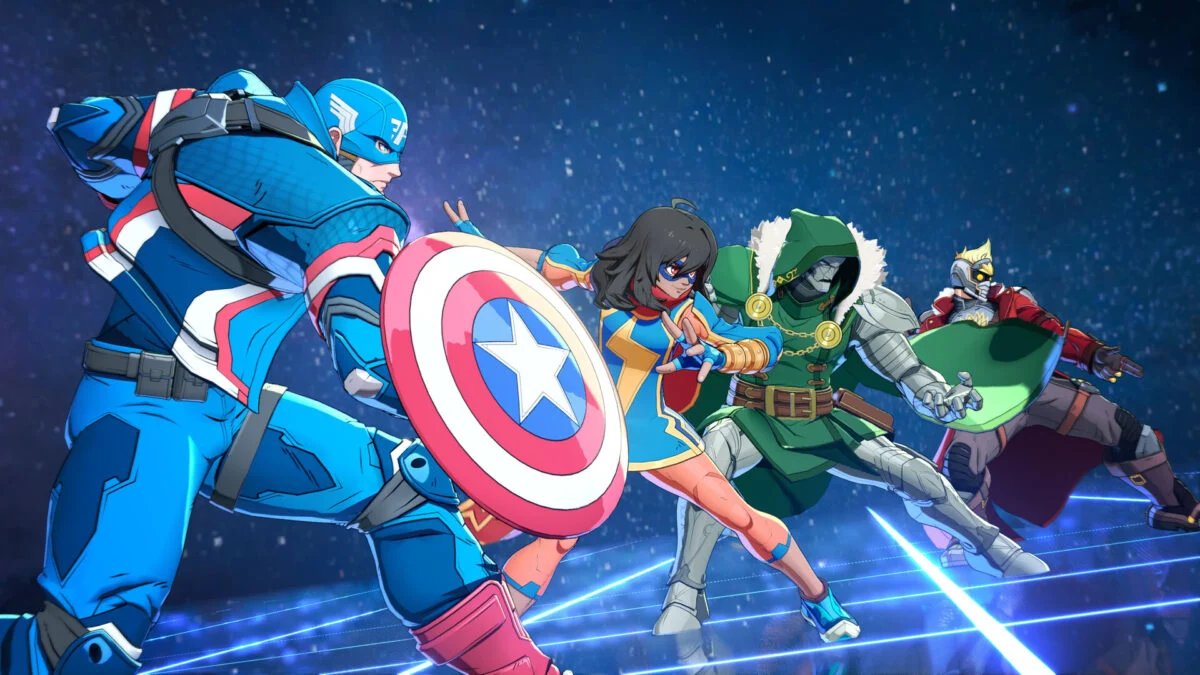
- Marvel Tōkon: Fighting Souls: Despite its core strengths, the title was hindered by a disastrous PC port that struggled with matchmaking and technical performance at launch.
- Avatar Legends: The Fighting Game: Burdened by internal studio controversies and a perception that the game felt unfinished, it has struggled to retain its initial player base.
- Invincible VS: This title is perhaps the most glaring example of a "flash in the pan," seeing little long-term engagement and resulting in a massive 75% staff reduction at developer Quarter Up shortly after release.
This string of failures has sparked intense discussion on platforms like Reddit and X (formerly Twitter), where fans are debating whether the fighting game genre is currently "cooked." Many fear that these high-profile failures will deter future investment, effectively locking the market and leaving players stuck with the status quo rather than seeing new innovation.
Can Anything Survive the Drought?
Among the recent wave of titles, Marvel Tōkon appears to be the only one with a realistic path to long-term viability. While its Steam player count has dwindled to four figures, the game has reportedly seen much stronger performance on PlayStation 5. With a roadmap of future characters and the backing of Marvel and Sony, there is still hope for a turnaround. However, industry observers warn that even with big-name IP, nothing is guaranteed in a market that has become increasingly unforgiving.
The Future of the FGC
The broader concerns within the community go beyond the fate of individual games. With the scene’s biggest tournament, EVO, now under new ownership and established pillars like Street Fighter continuing to dominate the conversation, the space for new competitors is shrinking rapidly.
As the industry pivots, the question remains: will publishers continue to take risks on new projects, or are we entering an era where only the most established franchises can afford to survive? For now, the sentiment among the player base is one of cautious pessimism. It is a profound shame to see so much creative potential go unfulfilled, and the industry’s ability to course-correct will likely define the health of competitive gaming for years to come.