








Is Apple Falling Behind? Why Foldable Fans Are Losing Faith in the Cupertino Giant
For years, the tech world has operated under the assumption that Apple would eventually enter the foldable market and instantly redefine the category. However, as Samsung continues to iterate and refine its flagship lineup, a growing sentiment is emerging among enthusiasts: Apple may have already missed its window to innovate, leaving the door wide open for competitors to dominate the landscape.
The Innovation Gap Widens
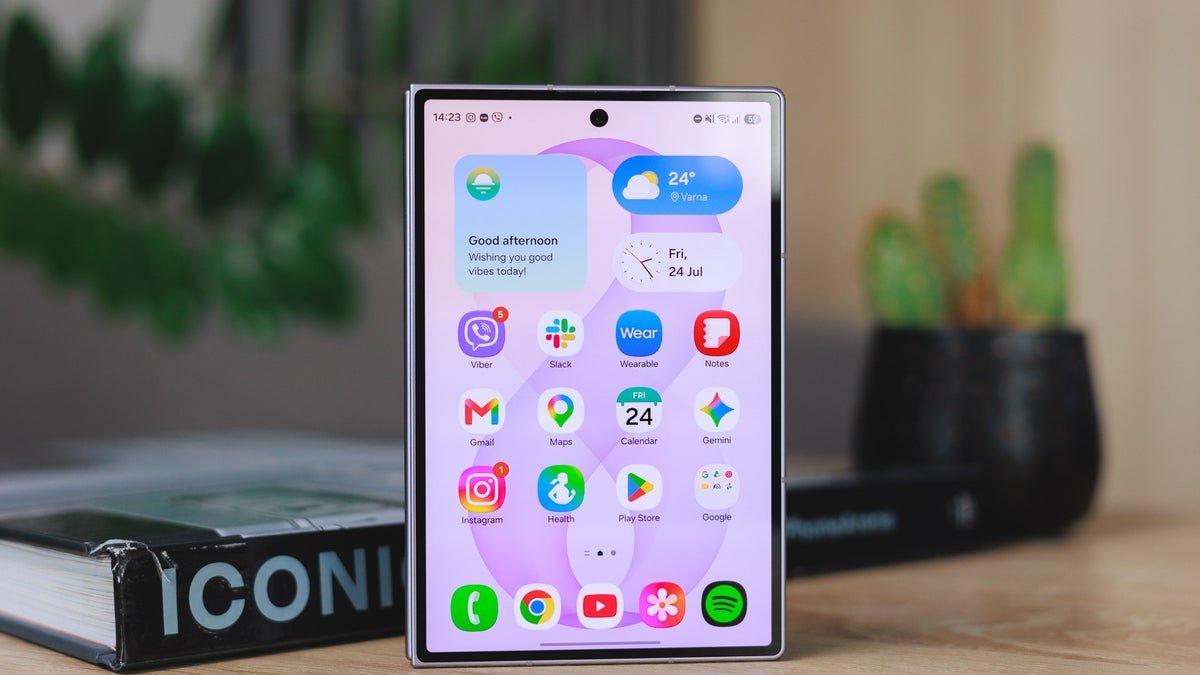
While Samsung is currently looking ahead to the development of the Galaxy Z Fold 8, industry observers are noting a stark contrast in product velocity. Samsung’s ability to refine its hinge mechanisms, reduce crease visibility, and integrate sophisticated multitasking software has turned its foldable series into a matured, productivity-focused powerhouse.
In contrast, Apple’s silence on the foldable front is beginning to feel less like a "calculated, patient approach" and more like a competitive disadvantage. Critics argue that by the time Apple finally unveils a folding device, the hardware benchmarks set by the Galaxy series may be nearly impossible to surpass in a way that feels revolutionary rather than "late to the party."
Losing the "Cool" Factor
The anticipation for a "Foldable iPhone" has transitioned from excitement to skepticism. Fans are increasingly vocal about their frustration, suggesting that Apple’s focus on incremental hardware upgrades has left them out of touch with the rapid evolution of mobile form factors.
As noted in a recent Galaxy Z Fold 8 analysis, there is a mounting belief that Samsung has already effectively "wiped the floor" with the hypothetical Apple foldable. The argument is simple: Samsung isn’t just selling a folding screen; they are selling years of user data, software refinement, and a mature ecosystem that Apple would have to build from scratch.
Can Apple Recover?
If Apple does launch a foldable device, it will face the "Apple Tax" of high expectations. Users will not settle for a first-generation device riddled with the durability issues that plagued early foldable competitors. The company will be expected to deliver a flawless, ultra-slim, and highly functional device that seamlessly integrates with iOS—a tall order given the engineering hurdles.
For now, the foldable market remains a playground for Android manufacturers. Unless Apple accelerates its timeline and delivers a device that truly disrupts the current status quo, the narrative that they have lost their edge in innovation will only continue to harden among the tech-savvy consumer base.
As the competition pushes boundaries in both hardware design and software utility, Apple finds itself in the uncomfortable position of being the follower in a race it once defined.