






Toxic Algae Blooms Disrupt Ironman Leeds as Athletes Question Safety Protocols
Completing an Ironman triathlon is widely considered one of the pinnacles of athletic endurance. Requiring months of grueling preparation and significant financial investment, the event—comprised of a 2.4-mile swim, a 112-mile bike ride, and a 26.2-mile marathon—is a feat achieved by only about 50,000 people annually worldwide.
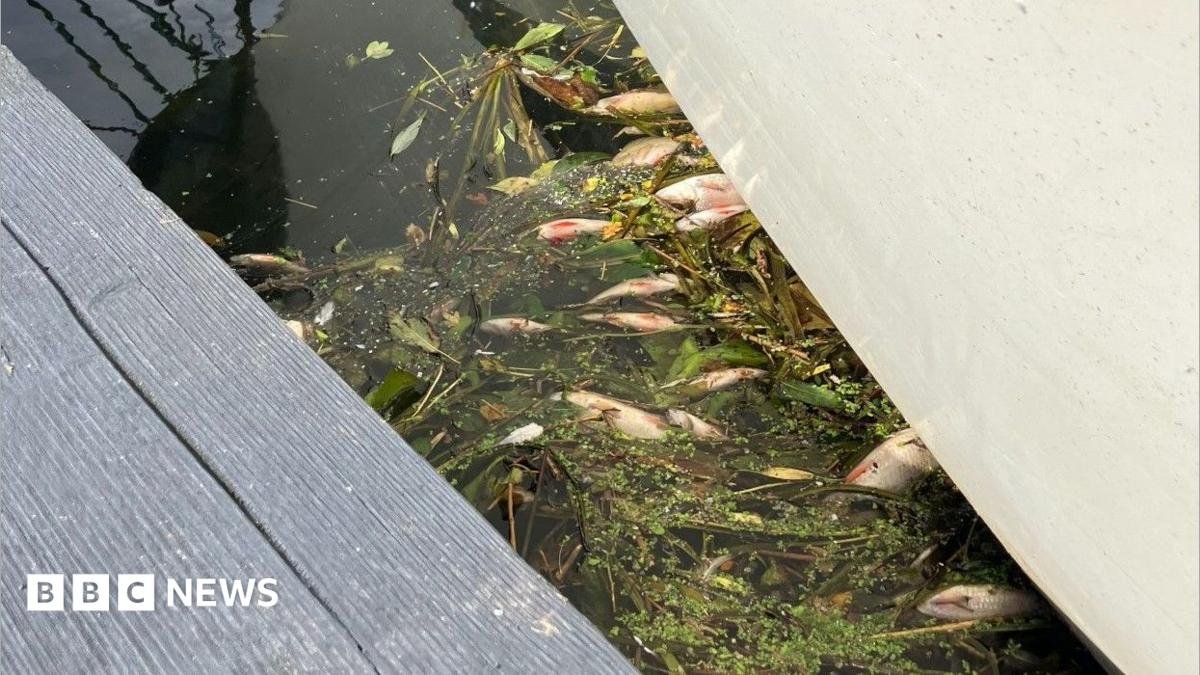
However, for roughly 2,000 competitors at the Ironman Leeds event on August 16, the prestigious title came with an unexpected asterisk. Due to a severe bloom of toxic blue-green algae, organizers were forced to cancel the swimming portion of the race, effectively turning the triathlon into a duathlon.
A Summer of Stagnant Waters
The cancellation highlights a growing environmental crisis across Britain. While algae blooms are a seasonal occurrence, persistent, record-breaking heatwaves this summer have turned many freshwater sites into health hazards. According to British Triathlon, the sport’s governing body, this marks the fourth event this year disrupted by poor water quality.
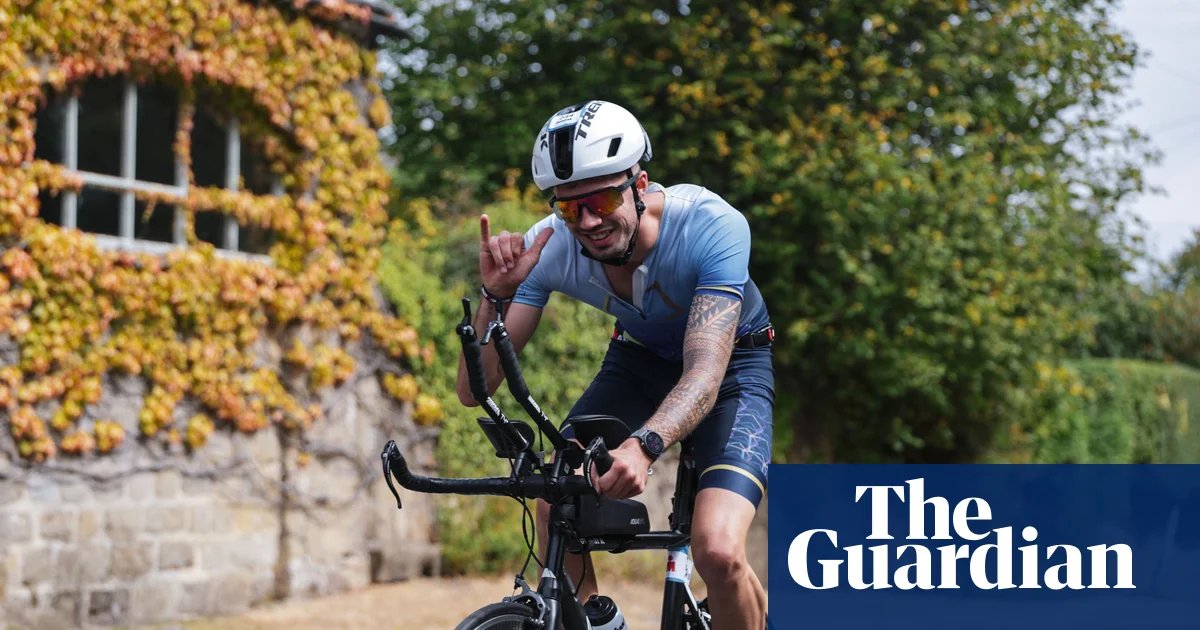
For participants like Jack Chamberlain, who dedicated months to training—often logging 15 hours a week—the last-minute change was deeply deflating. "When you cross the finish line, you hear those famous words, ‘You are an Ironman,’ and that comes from finishing a triathlon, not a duathlon," Chamberlain said. "I’m proud of myself, but it felt off."
Chamberlain, like many other international athletes who traveled to the UK for the race, argued that the issue should have been identified earlier. "There were 58 countries represented. With people putting in this much time, effort, and thousands of pounds, better systems need to be in place," he added.
Safety vs. Performance
Despite the frustration, some competitors prioritized safety over the technical completion of the race. Marina Angela Andresen, who is currently attempting to complete 10 Ironman events in a single year, took the cancellation in stride. "I’m very happy to not be forced to swim under such conditions," she said. "I know Ironman looks out for the athletes, and I would not want to swim with blue-green algae—it’s dangerous."
The problem extends well beyond the professional sporting circuit. Several public swimming sites, including the first official bathing site on the River Thames, have recently issued warnings for swimmers to stay out of the water as toxic blooms proliferate.
The Broader Environmental Picture
Experts suggest that climate change is only part of the equation. Daniel Start, an author and advocate for wild swimming, points to systemic issues in land management. "It’s not a problem that is going away," Start noted. "It’s getting worse with more intensive farming and more fertilizer being put on fields that trickle down into lakes and rivers."
In a statement, the Ironman Group expressed devastation over the decision, which was made in consultation with the Leeds City Council. They cited the "continuous hot weather and the absence of rain" as the primary drivers of the hazardous conditions in Waterloo Lake.
As athletes and organizers alike look to the future, the incident serves as a stark reminder of how heatwave-fuelled environmental shifts are beginning to threaten not just local ecosystems, but the very viability of global sporting traditions.