








Is Samsung Following Apple’s Lead? New Leaks Suggest a Major Redesign for the Galaxy S27 Ultra
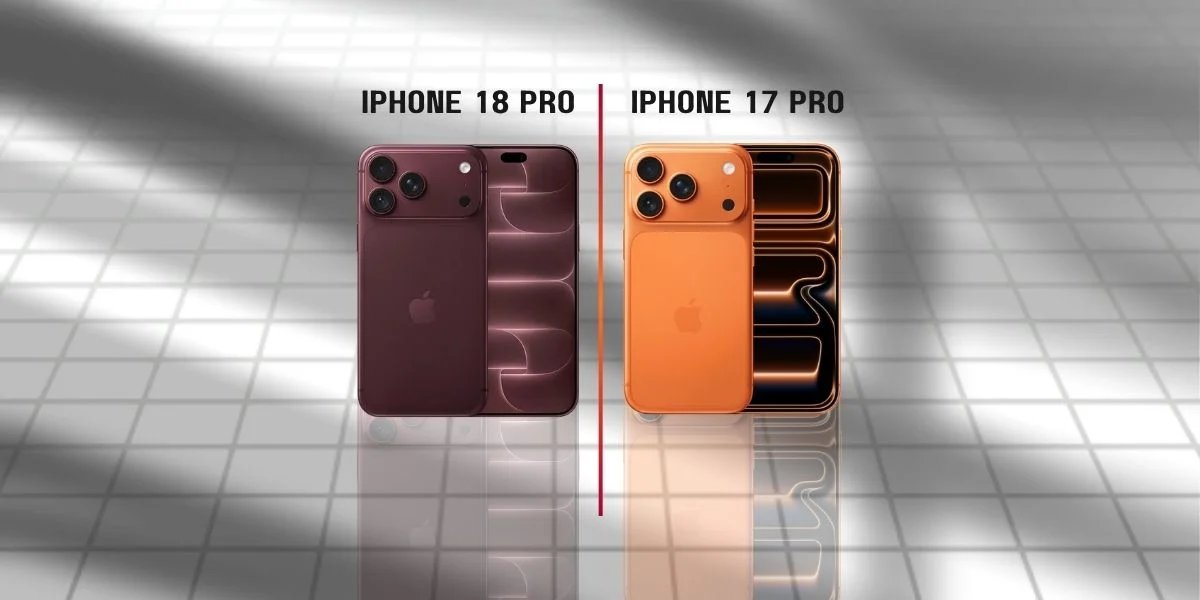
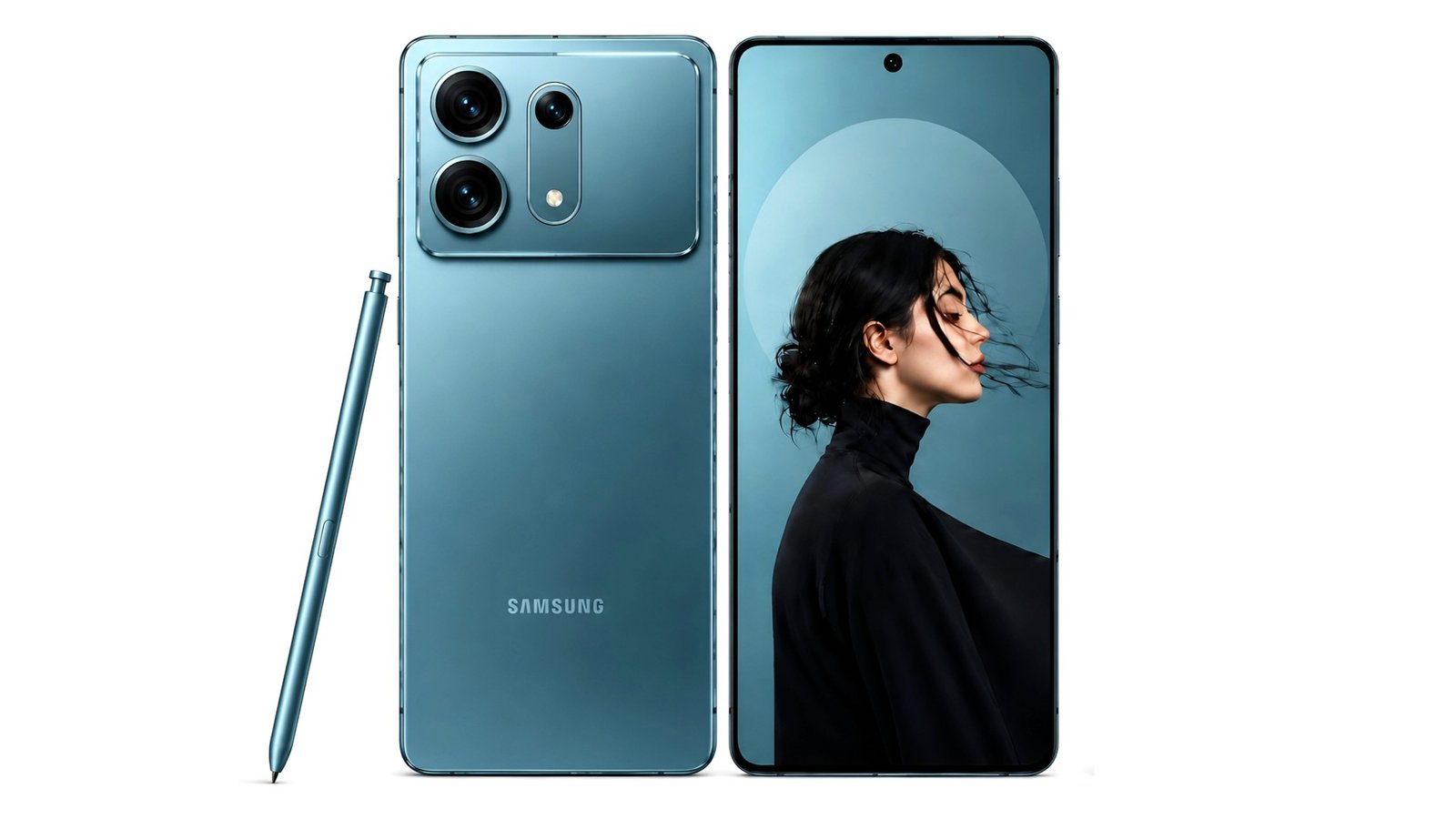
As the anticipation builds for the next generation of flagship smartphones, a fresh wave of speculation has emerged regarding the aesthetic direction of Samsung’s top-tier devices. If recent design sketches are to be believed, the upcoming Samsung Galaxy S27 Ultra may be set to abandon its traditional camera arrangement in favor of a unified "camera plateau" design—a move that bears a striking resemblance to the hardware aesthetic popularized by the Apple iPhone 17 Pro.
A Familiar Shift in Philosophy
While industry observers have noted the similarity to Apple’s current design language, it is worth noting that this design motif—a raised, contiguous island housing multiple lenses—is not entirely new to the mobile market. Devices from brands like Xiaomi and its sub-brand, Poco, have utilized similar flat-plateau configurations for years. However, Samsung adopting this aesthetic represents a significant departure from its current "floating lens" look, where each camera sensor sits independently on the rear glass.
The leak suggests that Samsung is moving toward this consolidated housing, a design choice that industry experts find highly probable given the current landscape of smartphone development. With other major manufacturers like Oppo, Vivo, and Xiaomi focusing their efforts elsewhere, Samsung appears to be the most logical candidate to usher in this hardware shift.
Form Meets Function
Beyond the purely visual change, this design transition could offer tangible benefits for everyday users. The most immediate advantage is the stability of the phone when placed on a flat surface. Current models with individual lens protrusions often suffer from "table wobble"; a unified plateau, assuming it is leveled correctly, would provide a more stable foundation for the device.
Furthermore, the design could resolve a longstanding frustration for power users: accessory compatibility. A flattened camera bridge would create more surface area on the rear of the device, offering a more practical space for magnetic Qi2 accessories. This would be a welcome upgrade over the Galaxy S26 Ultra, where the asymmetrical camera bump often interferes with magnetic chargers and mounts.
The Rise of AI Visualization
In the few hours since the schematic designs first surfaced, the tech community has already begun to react. AI-generated renders, based on the leaked sketches, have begun to flood social media, providing a vivid look at what the final product might look like in the hands of consumers.
While these renders remain speculative, they highlight a clear desire from the enthusiast community to see Samsung refine the ergonomics of its "Ultra" line. As we await official confirmation from Samsung, the debate continues: is this a necessary evolution for the sake of utility, or is Samsung simply falling into line with the design trends established by its competitors?
What is your take? Does a unified camera plateau make the Galaxy S27 Ultra more appealing, or do you prefer the minimalist, individual lens design of previous iterations?