





Amnesty International Accuses Indian Police of ‘State-Sanctioned Violence’ During Student Protests
NEW DELHI – A scathing new report from Amnesty International has challenged the official narrative regarding recent student demonstrations across India, alleging that law enforcement agencies utilized “excessive and unlawful force” against protesters. The report, which disputes police claims that force was only used as a last resort, surfaces just as India’s Supreme Court has established an independent panel to investigate the violence involving both police and demonstrators.
The unrest, which intensified on July 20, was initially ignited by a high-profile leak of the national medical entrance exam. What began as a localized grievance quickly spiraled into a mass movement in New Delhi, where thousands of students attempted to march toward the Parliament building.
Verified Evidence of Brutality
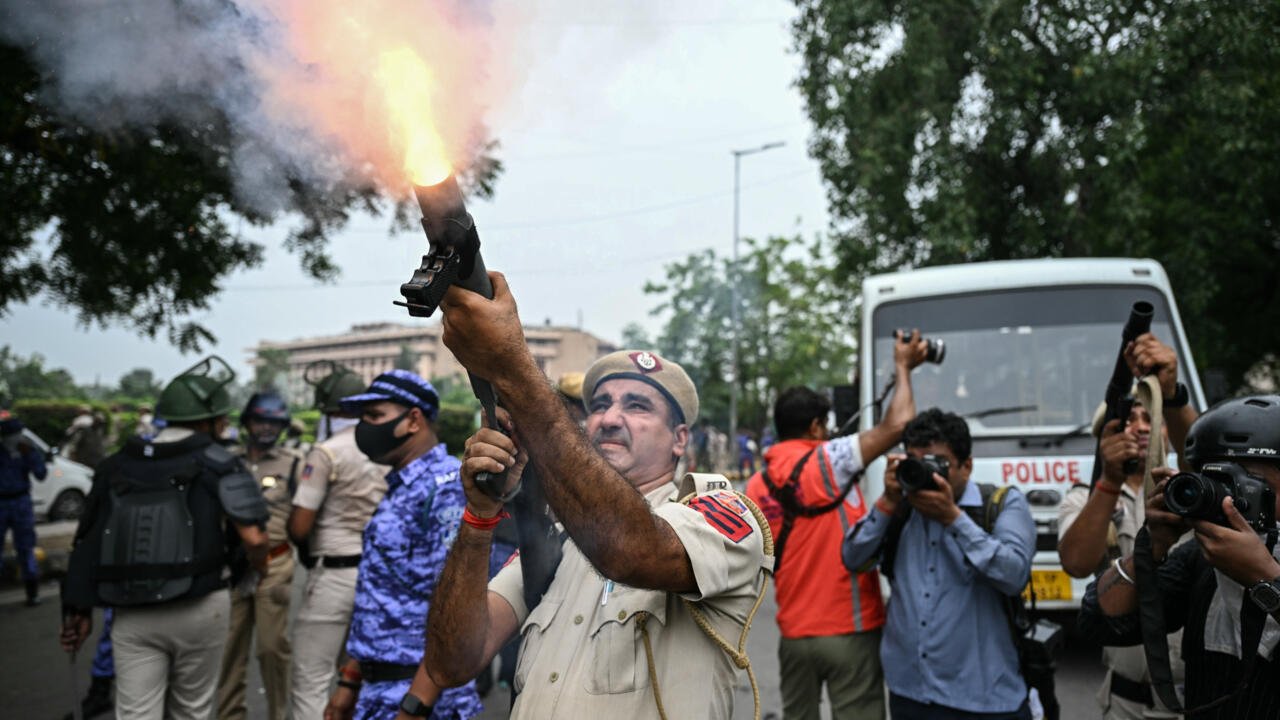
Amnesty International states that its investigation, based on verified witness testimony and visual evidence, confirms the deployment of a dangerous array of weaponry against civilians. According to the rights group, police in Delhi and the eastern state of Bihar used “pellet-firing shotguns, tear gas launchers, grenades, batons, and electric shock devices” against crowds.
In a particularly troubling finding, the report documents two instances in Bihar’s Siwan district where officers were observed “unlawfully using lethal force against a crowd.” While no fatalities were reported in these specific encounters, Amnesty argued that the conduct “breached international law and standards and domestic policing guidelines.”
“While there were isolated incidents of protesters throwing stones, the heavy-handed response was state-sanctioned violence masked as crowd control,” the report stated.
Clashing Narratives
The findings stand in stark opposition to the defense presented by Delhi Police during a Supreme Court hearing last week. Law enforcement officials insisted that their actions were strictly reactive, alleging that anti-social elements “masquerading as aggrieved students” infiltrated the demonstrations and inflicted “grievous injuries” upon security personnel.
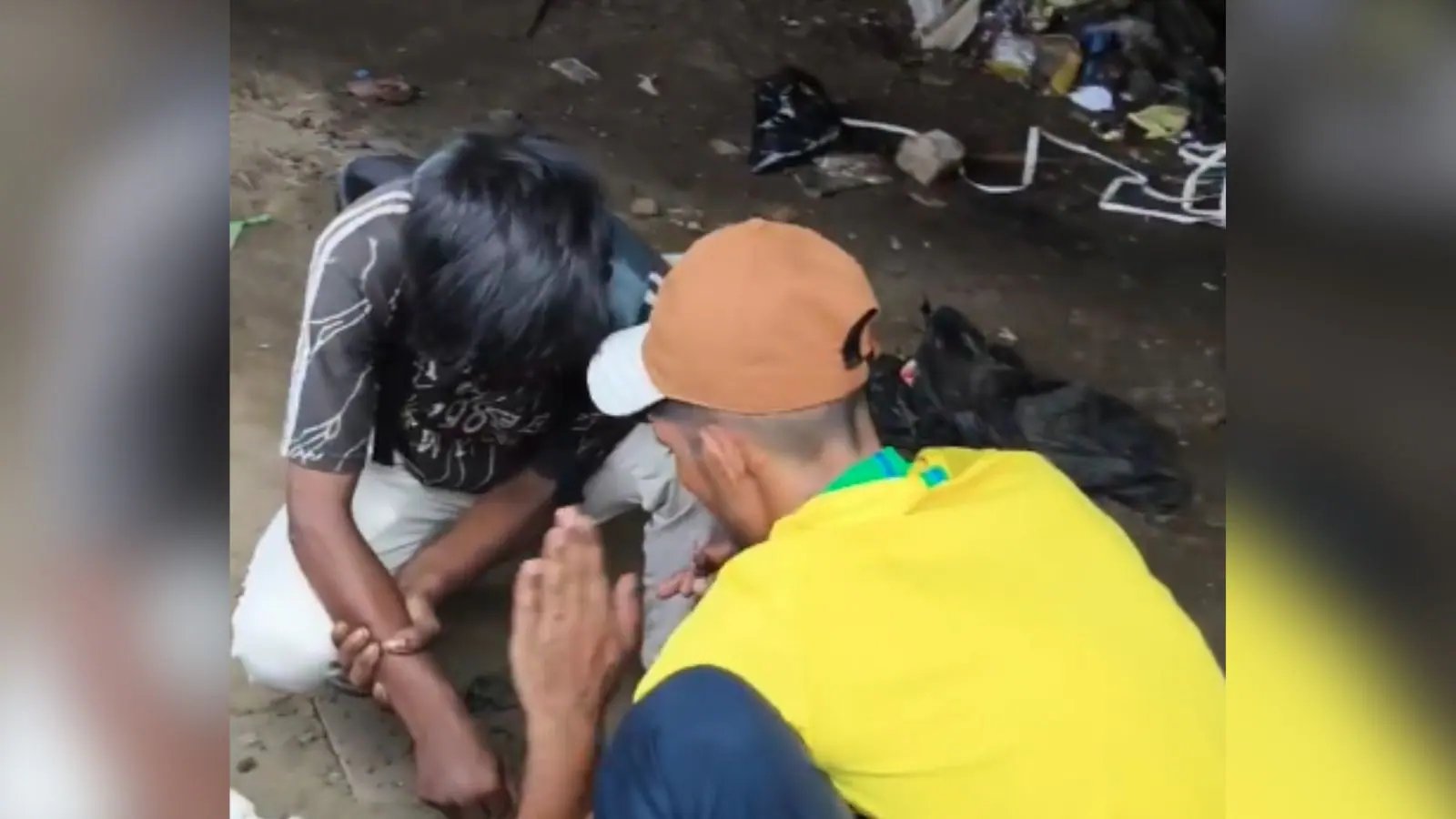
The political stakes of the unrest continue to climb. On Friday, opposition leader Rahul Gandhi held a high-profile sit-in outside a Delhi police station, accompanied by a 19-year-old protester who claimed to have sustained injuries from police pellets during the July 20 rally. Following Gandhi’s intervention and demand for an investigation, officers have registered a case regarding the complaint.
A Growing Political Crisis
What began as anger over exam irregularities—led by groups such as the online Cockroach Janta Party—has broadened into a national movement. The protests now encompass deep-seated frustrations regarding record unemployment, dwindling opportunities for the nation’s youth, and what critics characterize as Prime Minister Narendra Modi’s increasingly authoritarian governing style.
For Prime Minister Modi, these protests represent the most significant domestic challenge of his third term, which began in 2024. As the Supreme Court-mandated panel prepares to begin its inquiry into the excessive force used during these demonstrations, the administration faces mounting pressure to address both the integrity of the education system and the conduct of its security forces.
© 2026 AFP