








U.S.-Canada Trade Talks Collapse: Blame Game Intensifies as 50% Tariffs Take Effect
By News Desk
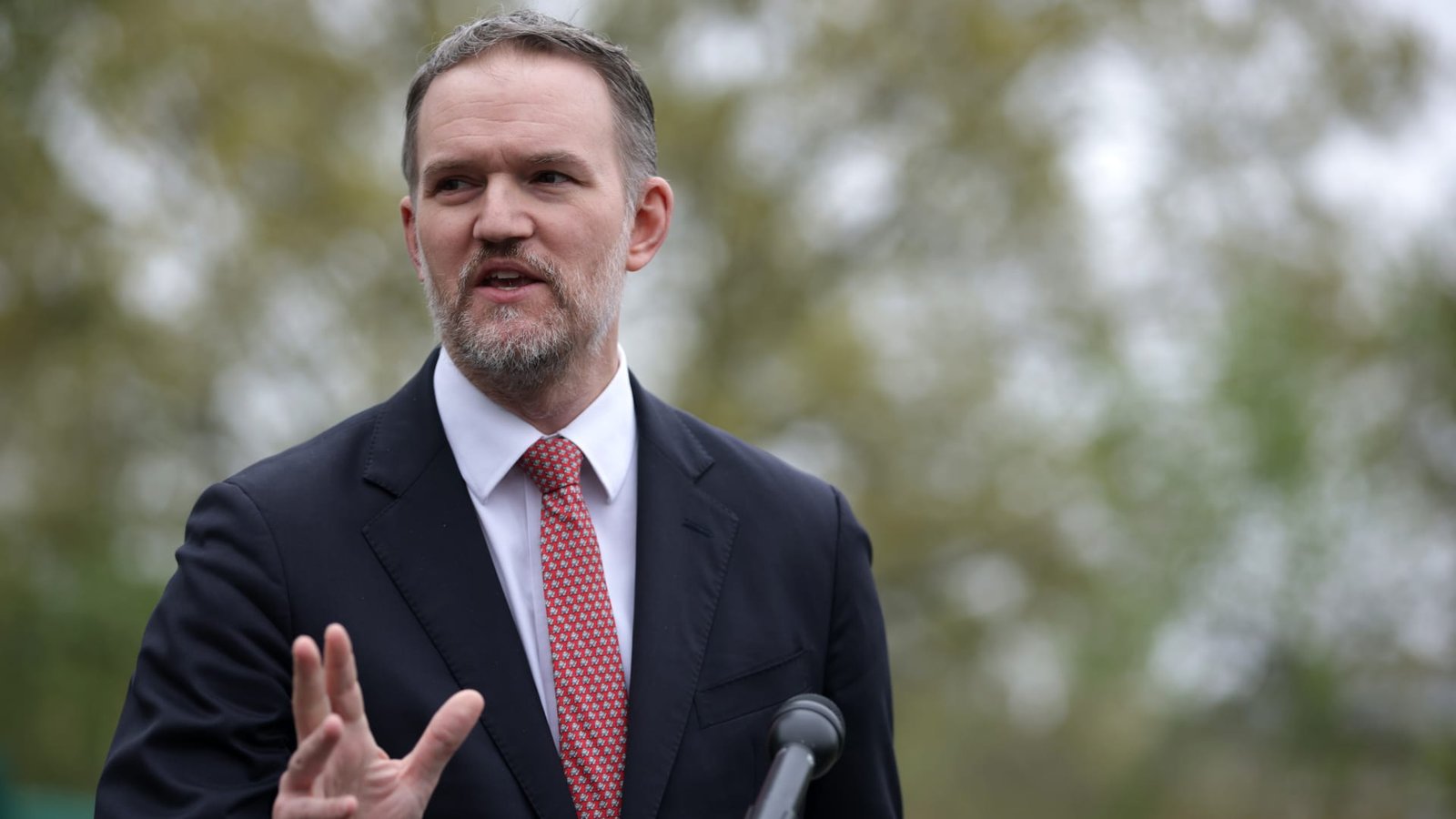
Tensions between Washington and Ottawa reached a fever pitch on Monday as U.S. Trade Representative Jamieson Greer squarely blamed Canada for the collapse of last week’s high-stakes trade negotiations, accusing Canadian officials of moving the goalposts at the eleventh hour.
The failure of the talks has triggered a new era of economic friction, with the Trump administration moving forward with aggressive 50% tariffs on approximately $20 billion worth of Canadian imports, including cement, wine, and sporting goods like hockey sticks.
A Deal That Never Was
Appearing on CNBC’s “Squawk Box” on Monday, Greer described a chaotic final stretch where a breakthrough seemed imminent before suddenly unraveling.
“We progressed to a point Tuesday night where we had enough agreement among the parties to announce that we had found the way to a deal,” Greer said. “Then we set about to finalize it, and in the last hours, there were things that the Canadians just—you know, they wanted more.”
Greer’s account stands in direct opposition to statements from Canadian Prime Minister Mark Carney. Following the breakdown, Carney publicly accused the United States of introducing “last-minute changes” that were deemed “unfair, uneconomic,” and a blow to the reliability of bilateral agreements.
The breakdown occurred just days before the midnight Saturday deadline, at which point the new levies officially took effect. The fallout has sent shockwaves through the North American business community, with both U.S. and Canadian industry groups warning that the tariffs will drive up consumer costs and disrupt integrated supply chains.
Tit-for-Tat Retaliation
In response to the U.S. move, Prime Minister Carney has vowed that Canada will implement “dollar-for-dollar” retaliatory tariffs.
Greer maintained that the current clash is a result of long-standing grievances, specifically pointing to Canadian restrictions on U.S. alcohol, auto, and dairy exports imposed last year—measures Ottawa originally enacted as a reaction to earlier rounds of U.S. import taxes.
“We proposed some very tailored tariffs, covering about 5% of what they send us,” Greer said, defending the administration’s strategy. He argued that the U.S. had made significant concessions during the negotiations, including halving tariffs on steel and aluminum and reducing levies on automobiles and softwood lumber.
“Simply, they wanted more,” Greer added. “I don’t know if it was political for them… but they came in and they wanted more, and we were prepared to do that [up to a point].”
Economic Fallout
The immediate impact of the U.S.-Canada trade war has already begun to ripple through the financial markets. The Canadian dollar softened against the greenback early Monday, reflecting investor anxiety over the deteriorating relationship between the two largest trading partners.
Business advocates remain deeply concerned about the long-term implications. Dan Kelly, president of the Canadian Federation of Independent Business, issued a stark warning on Saturday, stating that the impact on small enterprises—which often lack the capital to absorb sudden tariff shocks—would be “immediate and significant.”
As both nations dig in, analysts warn that the situation risks escalating further, with little sign of a return to the negotiating table in the immediate future.
This is a developing story. Please refresh for updates.