






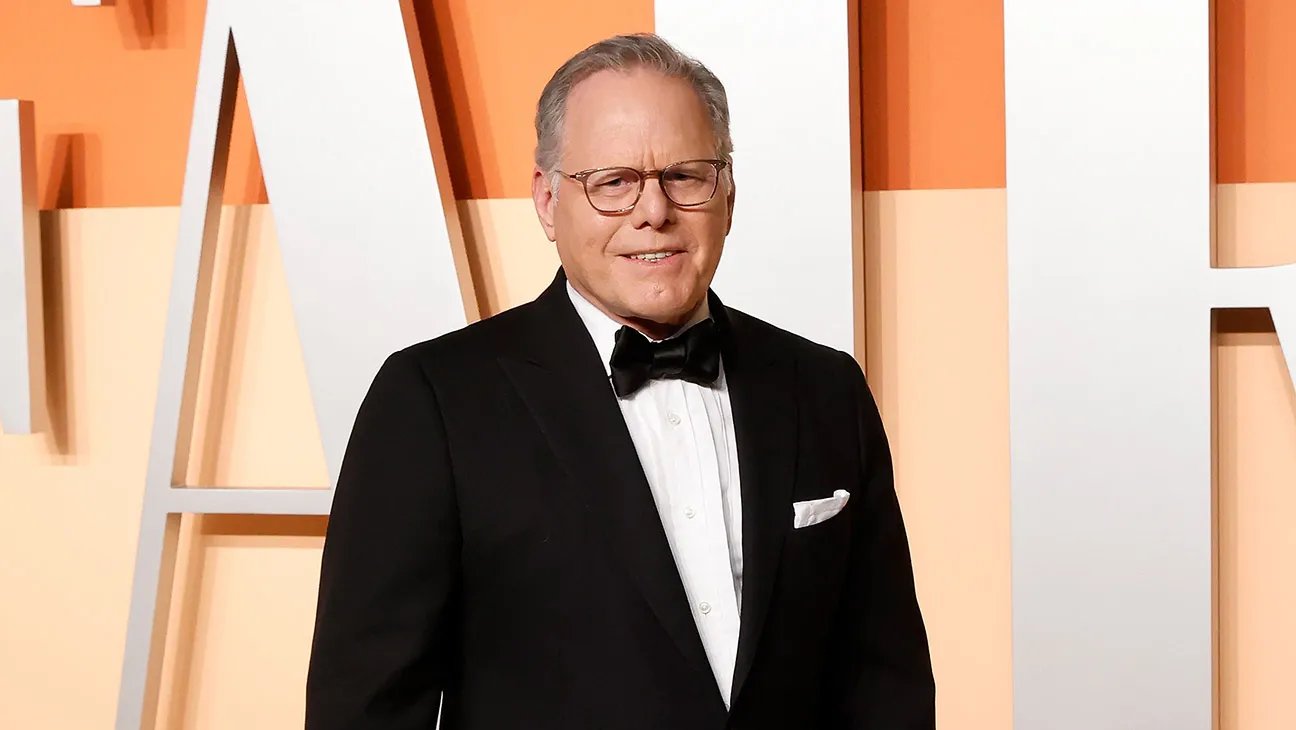
As the dust settles on the monumental $111 billion acquisition of Warner Bros. Discovery (WBD) by Skydance, newly released financial filings have unveiled the massive personal windfall secured by former CEO David Zaslav. According to a Form 4 document filed with the Securities and Exchange Commission (SEC) on Thursday, the executive has walked away from the merger with a payout exceeding $600 million, marking one of the most significant executive departures in modern media history.
## The Mechanics of a Massive Payout
The multi-million dollar figure is a direct result of the specific terms of the Skydance deal, which closed on Tuesday, October 6. Paramount—the parent entity behind the acquisition—offered $31 per share for WBD stock, alongside a supplemental “ticking fee” to account for the time elapsed during the negotiation process.
Zaslav’s SEC disclosure paints a clear picture of how this wealth was accumulated. He liquidated shares valued at approximately $224 million as part of the acquisition transition. Furthermore, a substantial portion of his exit package—roughly $381 million—came from the exercise of in-the-money stock options that vested upon the deal’s finalization. While these figures represent the bulk of his compensation, the total severance package is expected to be even higher, as it includes a base cash payment, continued health benefits, and an unconventional tax reimbursement perk that has previously drawn scrutiny from industry analysts.
## Corporate Restructuring and the “Skydance” Era
The completion of the merger signals the end of the Warner Bros. Discovery era, a period defined by massive consolidation and aggressive cost-cutting. With WBD now integrated into the Skydance fold, the organizational structure is undergoing a radical shift.
Some of Zaslav’s most prominent deputies, including HBO’s Casey Bloys, streaming executive JB Perrette, and studio head Channing Dungey, have been retained to navigate the transition into the new corporate entity. Conversely, a cohort of high-ranking leaders—most notably Gunnar Weidenfels, Mike De Luca, and Pamela Abdy—are exiting the company alongside the former CEO.
Beyond the boardroom, the merger’s financial ripples extend to the broader workforce. SEC filings indicate that Zaslav’s leadership tenure saw the number of employees holding equity in the company more than double. While top-tier executives received payouts reaching into the hundreds of millions, the distribution of equity suggests that the merger’s valuation success was felt across various levels of the organization, rather than being confined solely to the C-suite.
## The Future of Media in an AI-Driven Landscape
As the media landscape continues to evolve, the WBD-Skydance merger serves as a bellwether for the industry’s shift toward high-stakes consolidation. In an era where legacy media giants are grappling with the rapid integration of artificial intelligence and shifting consumer habits, executives are under mounting pressure to deliver shareholder value through massive M&A activity.
The technology industry is watching these developments closely. Companies like Skydance are increasingly looking for ways to utilize AI to streamline production pipelines and optimize content discovery on digital platforms. As these massive organizations consolidate, the focus will undoubtedly shift from the financial payouts of the previous regime to the technological viability of the new one. Whether this $111 billion bet will pay off in a competitive landscape dominated by tech giants and AI-driven content engines remains the defining question for the post-Zaslav era. For now, the takeaway is clear: the financial incentives for orchestrating such industry-shaking transitions have reached unprecedented heights.
Disclaimer: This content is auto-generated for informational purposes only.
Source: Read Original News