









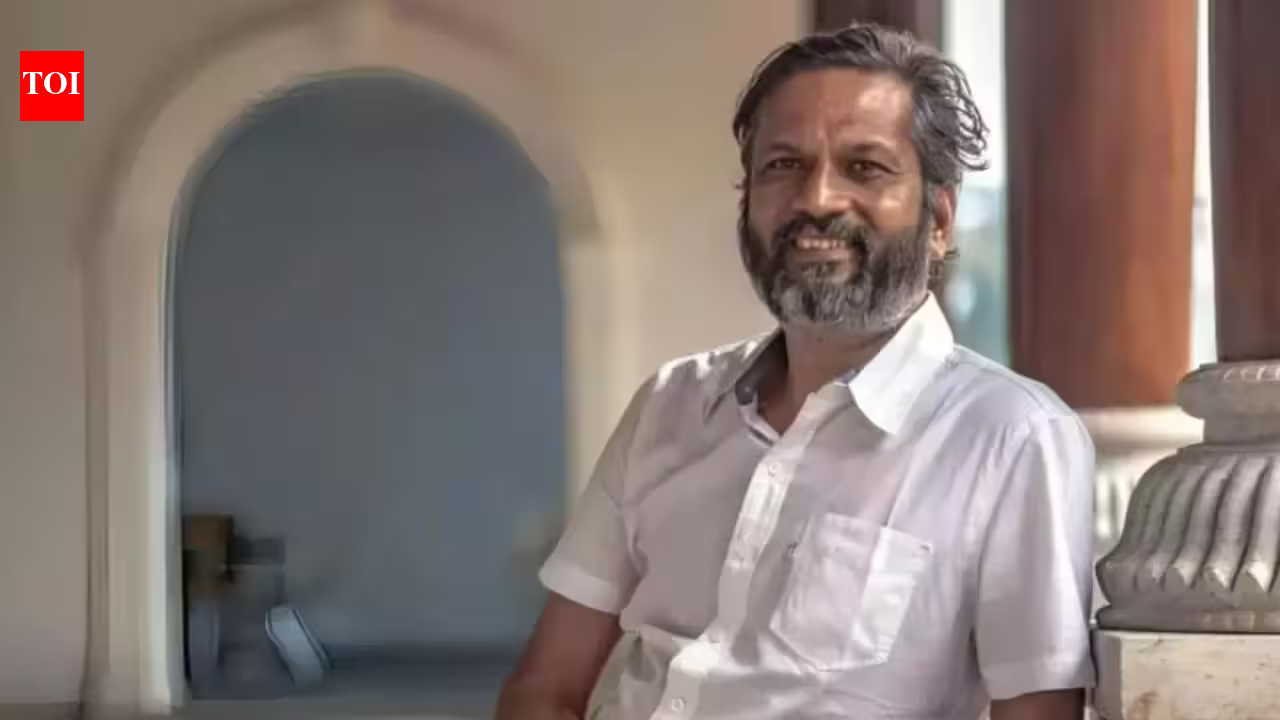
Zoho Founder Sridhar Vembu Challenges Traditional Workplace Norms: Why Initiative Often Trumps Instruction
In an era where corporate efficiency is frequently measured by rigid metrics and structured hierarchies, Zoho founder Sridhar Vembu is challenging the status quo. The tech leader recently ignited a debate regarding the fundamental dynamics of modern office environments: should employees be passive recipients of top-down instructions, or should they be empowered to seize the initiative?
Vembu’s commentary, shared via his social media channels, highlights a critical trade-off that business leaders must navigate. According to the entrepreneur, the choice between predictability and independent action defines the very soul of an organization.
The Comfort of Conformity vs. The Chaos of Innovation
Vembu posits that highly structured, metric-driven workplaces offer a sense of “comfortable certainty.” In such environments, roles are clearly defined, performance targets are granular, and employees rarely have to guess what is expected of them. However, he warns that this predictability often comes at a steep price: a culture where workers stop thinking for themselves, waiting instead for directives from the top.
The danger of this model, Vembu argues, is exposed when leadership falters. “If the top does not always know the right course,” he noted, an organization that relies exclusively on top-down decision-making risks losing its direction entirely.
In contrast, an culture that encourages employees to “seize the initiative” is inherently more volatile. Vembu acknowledges that such environments can feel argumentative, uncomfortable, and even chaotic. He humorously points to the tech industry, where talented programmers often suffer from the “I can do better” syndrome, leading to internal friction and intense debate. Yet, he contends that this friction is a hallmark of growth; it forces teams to constantly experiment and improve.
Navigating the “Worst of Both Worlds”
Perhaps most notably, Vembu expressed skepticism toward corporate attempts to “have it all.” He cautioned that businesses attempting to mandate a “disciplined culture of seizing the initiative” often end up with the worst of both worlds—stifling the very independence they claim to value through excessive bureaucratic oversight.
For the modern professional, this observation is particularly timely. Today’s workforce is often caught in a tug-of-war between the demand for total ownership and the reality of rigid reporting structures.
Lessons for the Next Generation
For students and young professionals entering the workforce, Vembu’s insights offer a blueprint for career advancement. Success, he suggests, is less about following a pre-ordained path and more about the cultivation of agency.
To thrive, professionals must learn to:
- Identify gaps: Recognize problems before they are pointed out by superiors.
- Propose solutions: Shift from asking “what should I do?” to saying “here is what I intend to do.”
- Embrace friction: Understand that disagreement is often a byproduct of high-level thinking and innovation.
Ultimately, Vembu’s perspective serves as a reminder that workplace culture is a series of trade-offs. While comfort and predictability have their place, they rarely lead to the transformative breakthroughs that define industry-leading companies. For those looking to make a mark, the willingness to step into the “chaos” of initiative may be the most valuable skill in the modern economy.
Disclaimer: This article is based on a social media post shared by Sridhar Vembu. The views and observations expressed are those of the author and are presented for informational purposes.